

Introduction: A Shop Corner Talk — Scenario, Data, Question
I was in a print shop on a slow Tuesday, wiping down a press, when the operator leaned in and said, “We can’t keep chasing smells and clogging filters.” That little scene is more common than you’d think: studies show small to mid-size shops report up to 40% more downtime from air-quality issues than larger plants, and that hits margins hard. Fume extraction products sit at the center of that problem — from local exhaust hoods to portable units, they promise cleaner air but sometimes miss the mark. Now, if you’re fixin’ to pick a system and want to avoid buyer’s remorse, what should you really be looking for? (No fluff — just straight talk.)
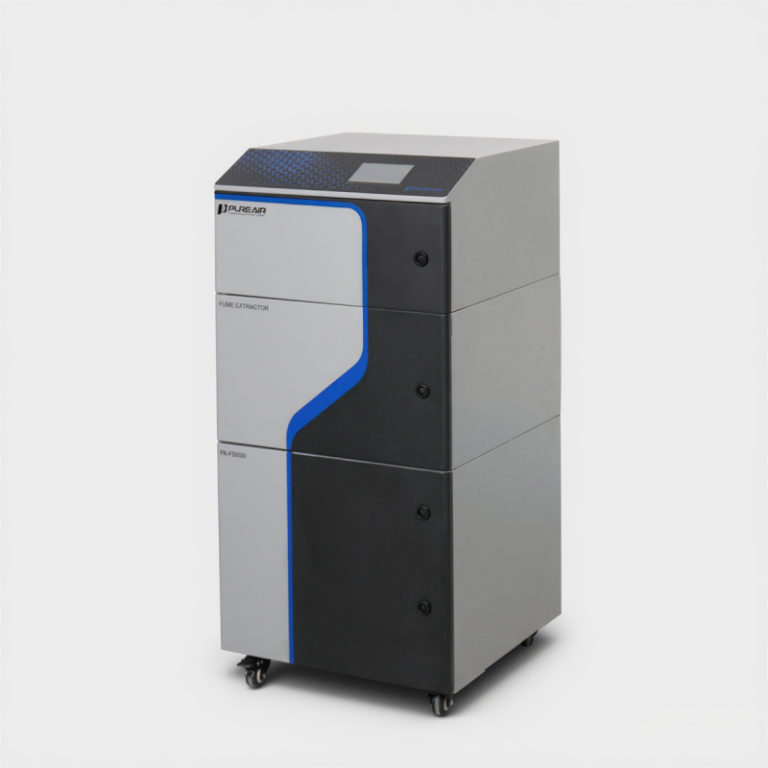
I’m sharing what I’ve learned over years of hands-on fixes and product reviews. You’ll see simple numbers, feel the shop-floor reality, and get a few practical questions to ask your vendor. I use plain terms, and I’ll point out the parts that matter: airflow, filter types, and real-world control systems. So let’s move from the coffee-shop gripe to the nuts and bolts — and figure out what separates a system that’s costly theater from one that actually works.

Why Traditional Systems Struggle with UV curing — A Technical Breakdown
What’s the real problem?
When I talk about UV curing, I mean the process that dries inks fast using ultraviolet light. That speed is great for production, but it also changes the game for fume control. Traditional systems were often designed for solvent-based fumes or basic dust. They lack the chemical adsorption capacity needed for the mix of volatile organic compounds (VOCs) and micro-particles released during UV curing. In plain terms: filters that trap dust won’t hold VOCs well. I’ve seen HEPA filter setups clog up while VOC levels stayed high — strange but true.
Here’s a deeper look. UV-curing fumes contain photochemical byproducts that can be sticky and reactive. A centrifugal fan sized for particulate may struggle to move enough air across an activated carbon bed, so you get uneven capture and premature breakthrough. Control panels without integrated VOC sensors mean the unit runs blind — either hogging power or failing silently. I want suppliers to talk about adsorption rates, air change rates per hour, and the maintenance cadence. Look, it’s simpler than you think: match the media to the chemistry, and validate with a VOC sensor (not just a manometer). — funny how that works, right?
Looking Ahead: New Technology Principles and Evaluation Metrics
What’s Next for Cleaner UV Lines?
We’re moving into smarter extraction. Modern systems combine staged filtration (prefilters + activated carbon + HEPA), real-time VOC sensors, and smarter controls that throttle blower speed to need. For UV curing, that matters because the load varies by print job and ink chemistry. I expect more units to adopt modular media cartridges you swap based on measured VOC types. Also — and this is exciting — some vendors are starting to include edge computing nodes to analyze trends on-site, so you catch spikes before they become complaints.
There are simple rules I use now when I test or recommend gear. First, verify the adsorption capacity of the carbon or specialty sorbent against the VOC profile you produce. Second, insist on VOC sensors tied to variable-speed drives so airflow matches the hazard. Third, check for easy service access and clear change indicators — maintenance matters more than peak flow on paper. Here’s three evaluation metrics I give every buyer:
1) Clean-Air Delivery Rate for your specific VOC mix (not just raw CFM). 2) Measured breakthrough time for the sorbent bed under real load. 3) Integrated sensing & control — does the system report VOCs and adjust fan speed? Those three will save you time and money.
I’ll be honest: choosing the right unit takes a little work. I’ve seen shops buy the fanciest-looking unit and then spend months tuning it. So ask for performance tests, sample reports, and a clear service plan. If you need a practical partner who knows both filters and fieldwork, give PURE-AIR a look — they get the shop-side stuff right, and they answer the simple questions I always ask.