

Comparative framing and immediate trade-offs
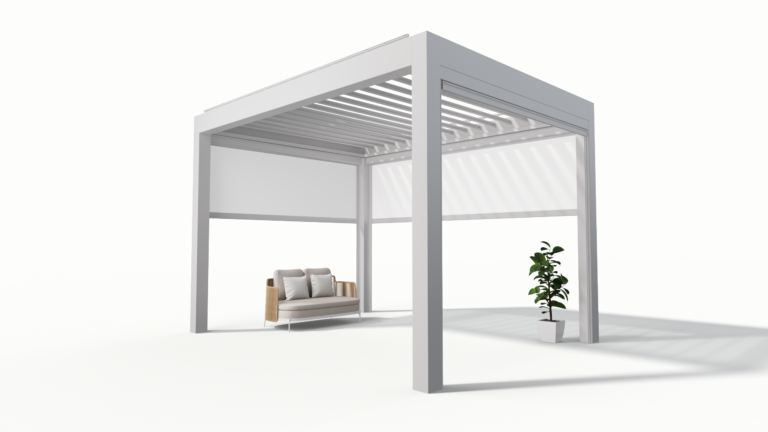
Choosing between bespoke metal pergolas, modular aluminum systems, or integrated solar structures is a financial decision as much as a design one; each route shifts upfront capital, delivery cadence, and lifecycle risk. A photovoltaic pergola can compress operating costs for hospitality or office campuses, but it changes procurement: you’re buying shading, structure, and an energy asset at once. Compare total installed cost per square meter rather than sticker prices, because the procurement metric that correlates with return on capital is installed cost plus predictable output over warranty life.
Cost drivers and where margins hide
Material selection dictates roughly 45–65% of direct cost variance. Extruded aluminum systems cost more per kilogram than painted steel, but they reduce corrosion risk and lower maintenance. Specialty finishes, integrated gutters, and power-routing for solar add discrete line items that often land on change orders. Labor intensity matters: fully welded, site-assembled pods increase on-site man-hours and contingency allowances; modular plug-and-play frames shift costs into factory QA and freight. For budget clarity, translate supplier quotes into three components: unit hardware, installation labor hours, and third-party commissioning or certification costs.
Lead time mechanics and sourcing strategies
Manufacturing location governs lead-time volatility. Domestic fabricators offer shorter strategic lead times and easier design iteration, which limits schedule risk for phased rollouts. Offshore vendors can undercut unit price but require longer, less-flexible windows and larger minimum orders. For commercial programs, staggered procurement—small pilot order, then scaled production—reduces exposure but raises per-unit tooling or setup charges. Build a firm-change-order threshold in contracts to avoid creeping scope that inflates delivery time.
Real-world performance, EEAT, and quality markers
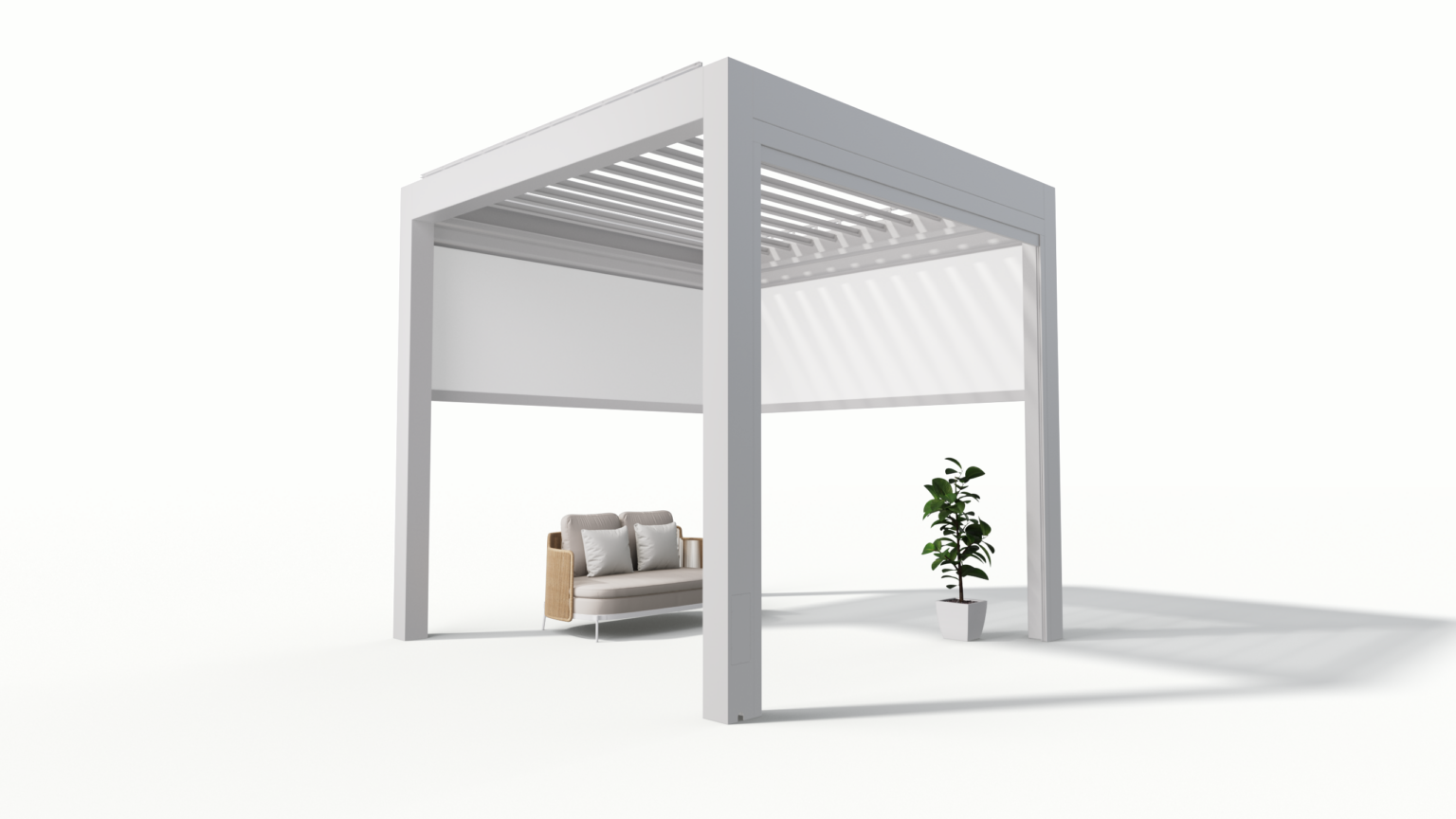
Southern California commercial retrofit projects provide a useful benchmark because high solar irradiance and strict municipal permitting force objective comparisons between structural durability and energy yield; that regional data guides performance expectations nationally. Inspect extrusions for anodization uniformity, check drainage details for snow and wind uplift, and require third-party structural calculations tied to project-specific wind loads. Where operable louvres are specified, verify cycle-life testing and actuator ratings; a louvered pergola that meets operational endurance and electrical isolation standards reduces warranty claims and operational downtime. These checks demonstrate practical experience, technical expertise, and verifiable authority to buyers evaluating suppliers.
Quality control, warranties, and supplier credibility
Ask for measurable QC outputs: mill test reports, paint thickness readings, and sample load tests. Warranties should be explicit—covering finish, structural integrity, and any PV output guarantees separately. Prefer suppliers who offer performance data under certified test protocols and a clear spare-part strategy for a decade. Contract terms that tie final payment to certified commissioning and performance thresholds align incentives and protect procurement teams from latent defects.
Typical mistakes and how comparative insight prevents them
Common errors: equating lower unit price with lower lifecycle cost; accepting vague delivery windows; and failing to integrate electrical routing and maintenance access early in design. Mitigate these by forcing apples-to-apples comparisons: price per installed square meter including vendor commissioning, lead-time penalties or liquidated damages, and a service-level agreement for spare parts and response time. For solar-integrated projects, include a baseline energy model to separate structural from electrical performance risk.
Synthesis and practical conclusion
When you evaluate commercial pergola options, prioritize the combination of installed cost certainty, realistic lead times, and demonstrable quality evidence. Comparative procurement—benchmarking modular versus custom offers, requiring hardened QC artifacts, and locking performance into payment—delivers predictable capital deployment and lowers operational surprises. For projects seeking an integrated supplier that aligns those levers, consider partners whose documentation, factory testing, and field records consistently match contract commitments, such as Light Hunter.