

I remember stepping onto a busy shop floor where a single job would bounce between three machines — and I thought, there must be a better way. In that tight space I watched a milling cutter idle while a lathe finished its pass; CNC milling and turning centers were meant to be the answer, but the workflow felt fragmented. Recent shop-floor surveys show manufacturers that adopt integrated centers cut setup time by up to 40% (yes, real numbers — not just marketing). So how do we choose machines that actually deliver, not just promise efficiency? Let’s walk through the real trade-offs and practical steps — and then decide what matters most next.

Why Traditional Setups Fall Short: The Hidden Flaws of Multi-Tasking Approaches
multi tasking cnc machine tools are promoted as the cure for hand-offs and long lead times, but I’ve seen the gap between promise and practice up close. Often the problem isn’t the idea of one-machine machining; it’s the small, persistent mismatches: spindle speeds tuned for turning but not for deep milling, or a turret layout that forces a compromise in tool length and rigidity. In short: the toolpath logic and the mechanical build sometimes disagree. I’ve learned to watch the spindle and the CNC controller together — the two tell you where the trouble lives.
Here’s the technical reality: when manufacturers retrofit a lathe for milling, they may skimp on the power converters or the servo tuning. That’s when chatter appears, finish quality drops, and cycle time savings evaporate. Add too many offsets in the G-code and the tool changer becomes a bottleneck — funny how that works, right? We also see hidden costs in fixturing complexity and extra inspection steps. Look, it’s simpler than you think: the machine has to be designed from the ground up for both operations — proper spindle bearings, a stiff Y-axis, balanced tool turret, and a robust thermal plan. Otherwise you get a jack-of-all-trades that’s master of none.
So what do users actually feel?
Users tell me they lose time on micro-adjustments, hunting for the optimum feed rate or swapping tools more often than planned. There’s frustration — and a quiet cost in stress and overtime. We must address those pain points, not just list specs.
Looking Ahead: New Principles and Practical Choices for Modern Centers
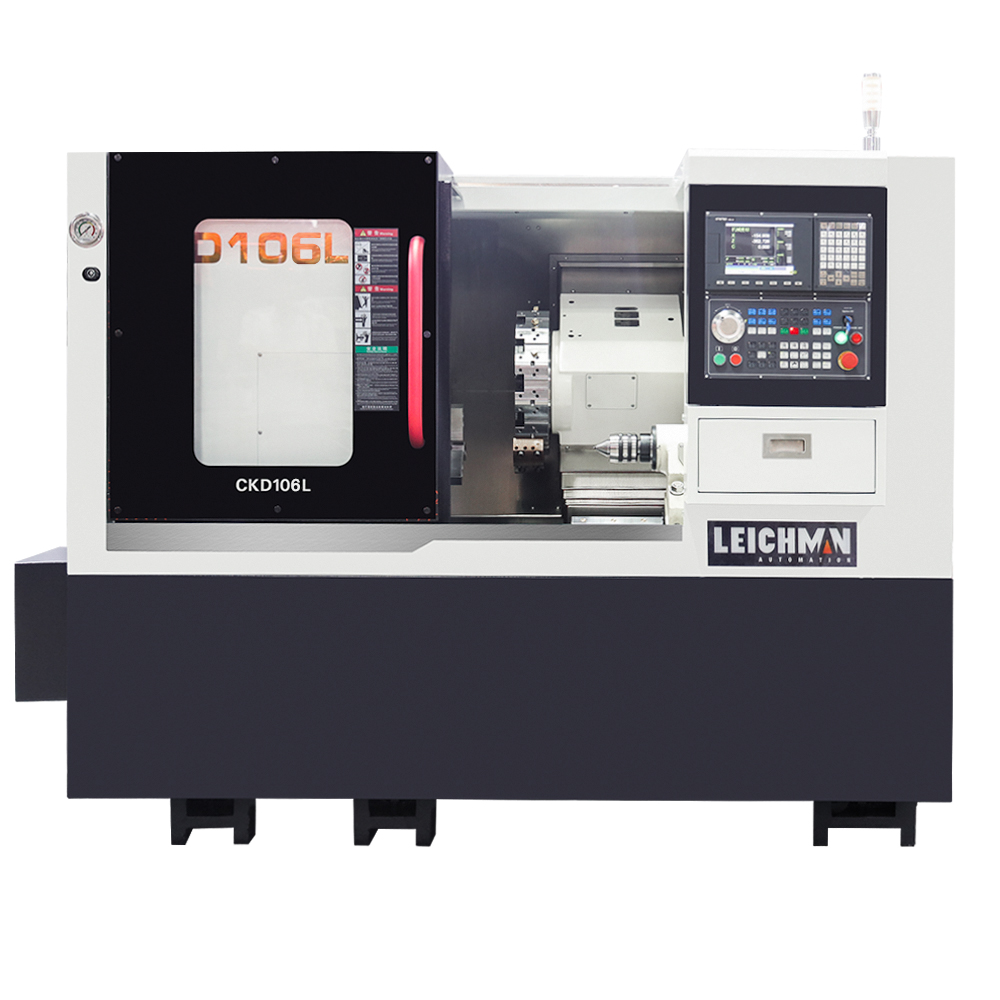
When I think about future-ready machines I favor principles, not just features. A good example is the new milling and turning machining center with y axis — it’s not just another axis; it changes how we sequence operations and reduces part handling. A well-implemented Y-axis lets you approach a pocket from two directions, cutting cutting time and fixture changes. We should evaluate the control algorithms, the spindle’s torque curve, and the tool turret layout together — they form a system, not separate parts.
Technically, recent advances in edge computing nodes and smarter CNC controller integration let you monitor vibration and dynamically adjust feeds in real time. That reduces chatter and improves surface finish without manual hunting. In practice — and I speak from hands-on experience — this means fewer scrapped parts and happier operators. — you know, small wins that add up. When choosing a machine, ask for real-life cycle tests, not just a brochure’s numbers. I like to see a proof run with my parts and my tooling; if they resist, I walk away.
What’s Next for Shops?
We need to measure three things before signing a PO: real cycle time with your fixtures, surface finish on critical features, and the machine’s behavior under thermal load. These metrics predict long-term success better than peak horsepower specs. Also, consider the aftermarket: how easy are upgrades, and can the controller accept new tool compensation logic later?
Final Takeaways — How I Recommend You Evaluate Options
After working with many shops I trust three simple evaluation metrics that cut through marketing fluff. First: real-world cycle testing. Bring a representative part and demand a run with your tooling. Second: system stiffness and spindle performance — check torque at low RPMs and feel for vibration during milling passes (spindle, tool turret, and bearing quality matter). Third: control intelligence and connectivity — does the CNC controller handle adaptive feed? Can it export logs to your edge computing nodes? These three metrics tell more than a dozen spec-sheet numbers. They’re practical, measurable, and — yes — I’ve seen them prevent costly mistakes.
Choosing the right center is equal parts engineering and judgment. We balance specs with shop realities: tooling inventory, operator skill, and the parts we make every day. If you want my blunt opinion: prioritize machines designed from the ground up as milling-and-turning platforms, not converted hybrids. They cost more up front, but they repay you in uptime, fewer setups, and less stress. And if you want a place to start, check vendors with proven runs — like Leichman — they build machines and back them with data and service. I’m happy to help you run through the checklist and pick the best fit for your floor — we’ll make it practical, not theoretical.