

Introduction: Defining the Signal Path, Not Just the Hardware
Clear voices win meetings. A wireless conference system is the core signal path that links voices, rooms, and remote users. Technically, it is a chain of RF links, audio codecs, and DSP rules that must work under real noise and real people. If your wireless conference room microphone and speaker system has gaps in gain control, spectrum planning, or battery logic, small issues stack into large ones. Surveys often show that a third of calls suffer from audio fatigue or delay, and it adds drag to decisions. The causes are not mysterious: interference in the 2.4 GHz band, unmanaged latency, and uneven microphone pickup all degrade comprehension.
Think of it like traffic. RF spectrum is the road, codecs are the lanes, and QoS is the speed rule—break one, and congestion follows. Add hybrid work and moving chairs, and the routing must adapt in real time (not later). Does your system keep intelligibility above 0.6 STI with talkers off-axis, or does it wobble when two people speak at once? The difference shows up in the minutes you do not waste. Let us map the common traps, then compare the paths out—cleanly.
Hidden Bottlenecks in Everyday Use: Why “It Works” Still Fails
What trips teams up most often?
Here is the direct truth: dropping cables removes clutter, not complexity. The pain hides in small edges. One mic is too hot, another too cold; the chair pivots, and beamforming falls off; the network spikes, and latency creeps. Users hear it as “can you repeat that?”—funny how that works, right? Traditional fixes assume a fixed table, stable noise floor, and patient users. But rooms flex. People move. Air handlers kick in mid-pitch.
Three common flaws show up again and again. First, uneven coverage. Without smart beamforming and acoustic echo cancellation tuned per room, voices outside the sweet spot smear. Second, unmanaged spectrum. If the RF plan is set once and left, co-channel interference drifts in from neighboring Wi‑Fi, and dropouts follow. Third, fragile control paths. If the control app depends on one middleware service, a hiccup freezes mics mid-discussion. Look, it’s simpler than you think: design for movement, not furniture; treat QoS like a budget; and automate gain staging so new speakers do not clip or vanish. Do this, and the system feels “invisible,” which is what people wanted all along.
Comparative View: New Principles That Make Wireless Feel Wired
What’s Next
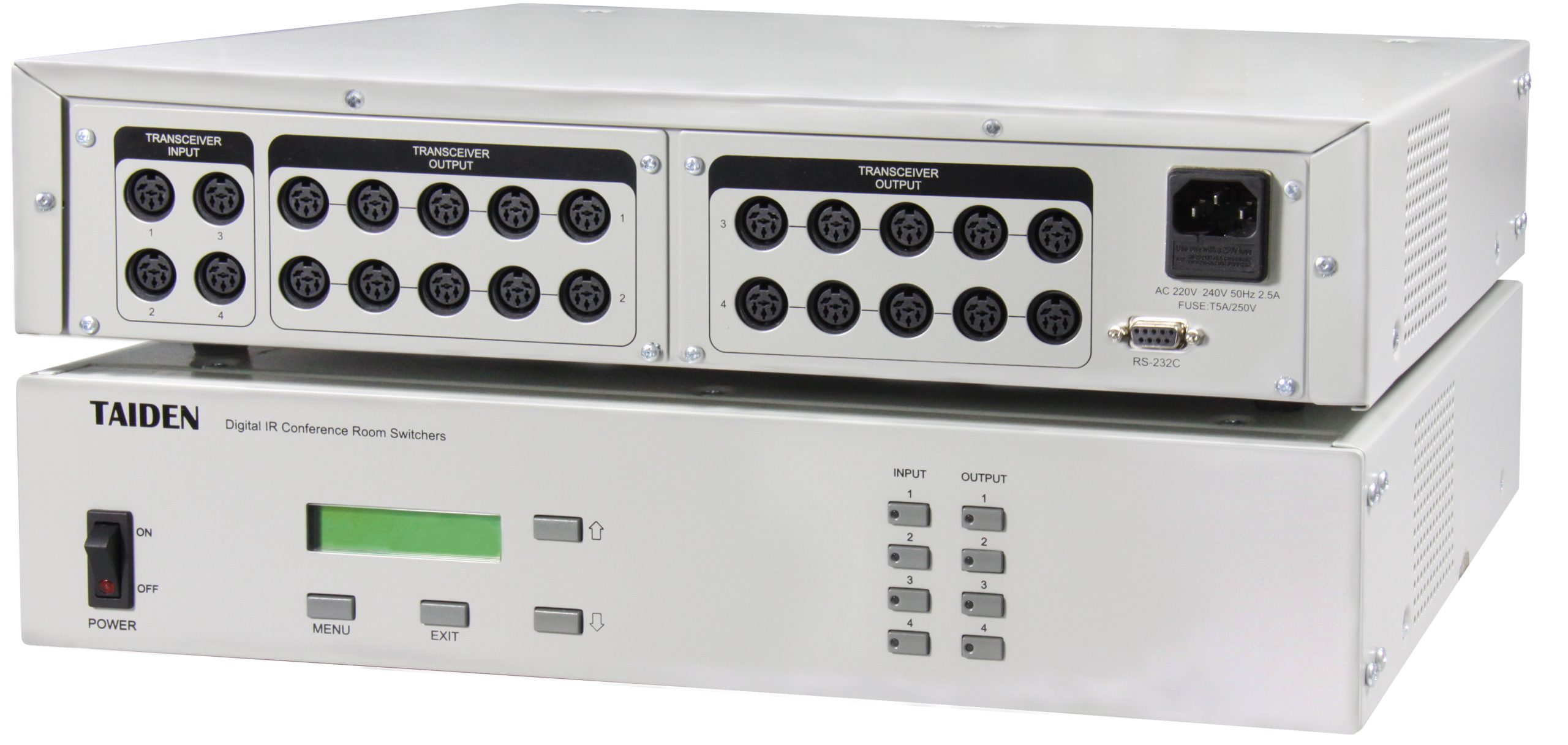
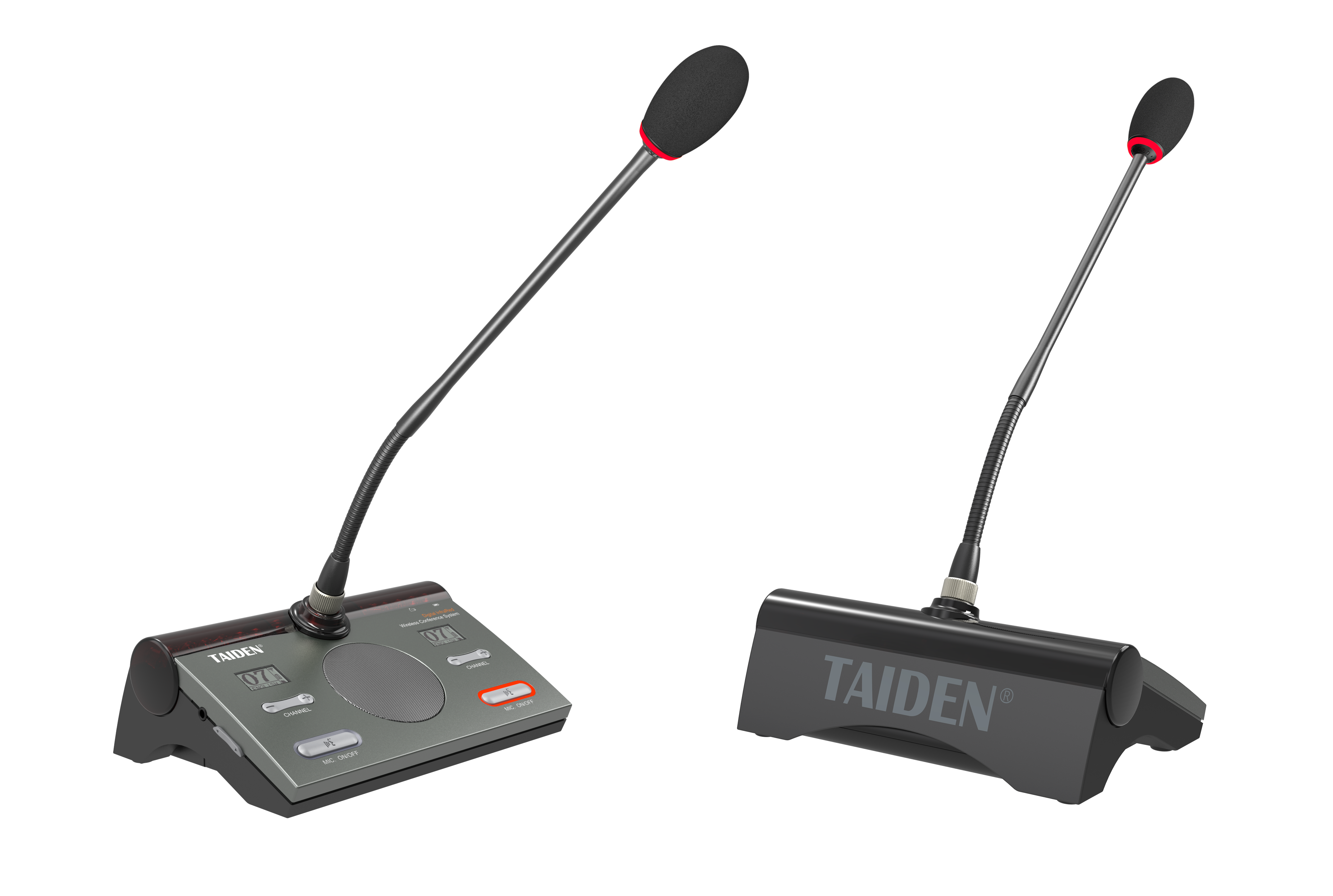
Modern systems do not just add channels; they add judgment. Auto RF selection with fast frequency hopping avoids crowded bands. OFDM spreads risk across subcarriers, so a burst of noise does not mute the room. Low-latency DSP pipelines keep end-to-end delay tight, while adaptive AGC balances soft and strong voices without pumping. These are not buzzwords; they are the rules that make speech clear under pressure. When you evaluate a taiden wireless conference system, look for how it monitors spectrum in real time, not just at boot. Ask if talker tracking follows a moving chair without chasing HVAC noise. And yes, confirm encryption (AES) and device roaming so you can scale rooms without rework.
Future-facing rooms go one step further. Edge computing nodes in the room can run transcription or keyword tagging with privacy intact. Battery analytics forecast runtime, not just present percent, so sessions do not die at minute 53. Power converters and smart charging extend cell life across cycles. In practice, the best systems compare to wired on stability, not just aesthetics—and then beat them on setup speed and flexibility. The lesson so far: coverage must be dynamic, control must be resilient, and the RF layer must defend itself. Advisory close: three checks to make. Measure intelligibility (STI or PESQ) at the far end, not only in-room; verify latency budget under load, not in an empty space; and simulate RF congestion during a real meeting, then watch for dropouts. That is how you buy clarity with confidence—with TAIDEN in the conversation, not the spotlight.