

When “Looks Good” Isn’t Good Enough
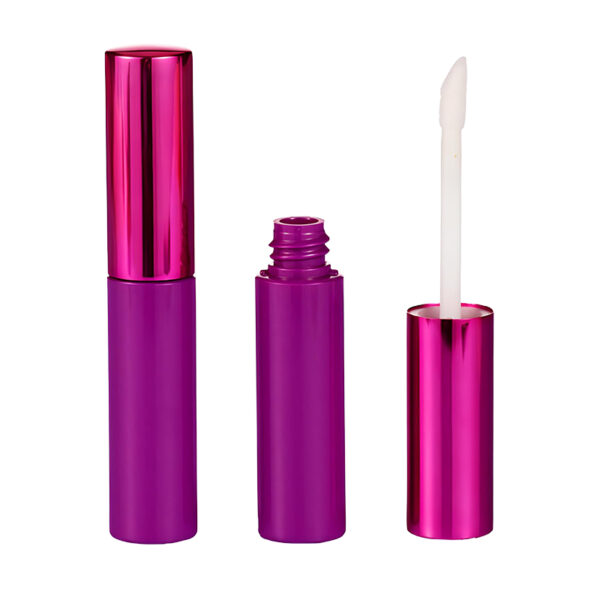
Picture a launch week that seemed locked in: artwork approved, pallets wrapped, influencers queued. The clear lip gloss tube looked perfect on the shelf, glossy and bright. By day three, though, customer care flagged seepage and streaking wands across multiple shades—small issues that snowballed into a costly hold. Industry audits often show 3–5% defect rates for budget tubes tied to poor cap torque and loose wiper fit (yes, the tiny parts matter). If every return costs shipping plus a damaged review, what’s the real price of a bargain? And more to the point—are we measuring the right things, or just the fastest PO to sign? The irony is sharp: most teams over-index on unit cost while under-indexing on performance metrics they can verify in minutes. — funny how that works, right? So ask yourself: do your suppliers publish leak-rate data, material specs, and thread-pitch tolerance, or do they sell “looks”? If it’s the latter, you may be buying a photo, not a package. Let’s move past appearances and into comparative value, where function carries weight and failure modes get daylight. Ready for the real benchmark? Let’s shift gears and look below the surface.
The Hidden Costs Behind “Cheap”
Where do the savings go?
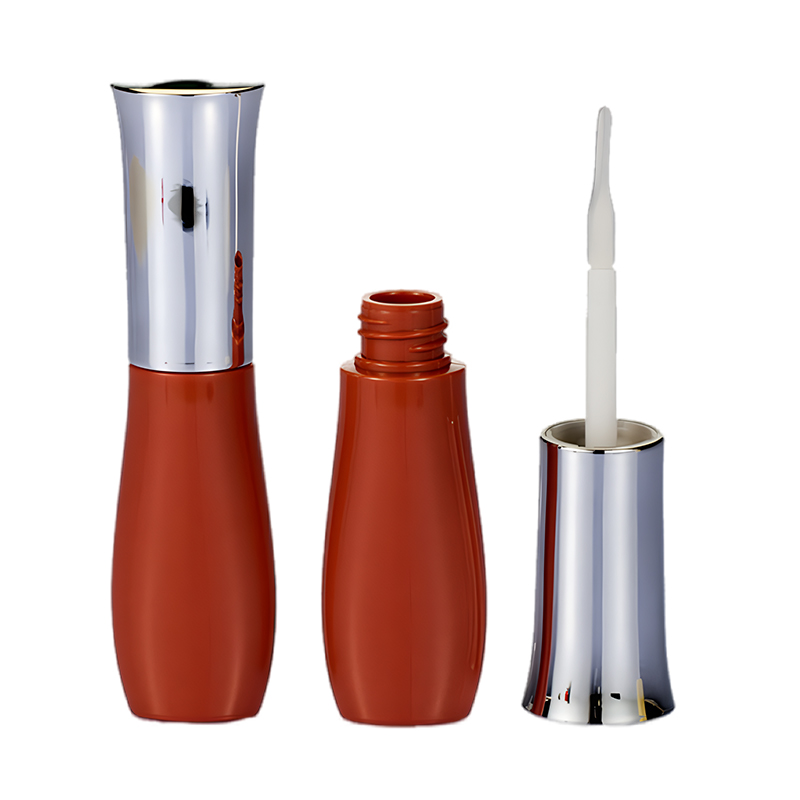
Here’s the short truth: a cheap clear lip gloss tube can cost more over the full run than a mid-tier option if it leaks, sheds, or stains. Traditional sourcing hides pain points in the fine print. PETG bodies with inconsistent resin grade can haze after ethanol wipe downs. PP wipers with loose orifice control streak pigment and trap bubbles. Caps with off-spec thread pitch skip proper torque testing, so they loosen in transit. Without AQL-based incoming checks and simple drop tests, defects escape. Look, it’s simpler than you think: if the wiper’s interference fit, stem straightness, and gasket compression are not validated, your “deal” becomes a returns program.
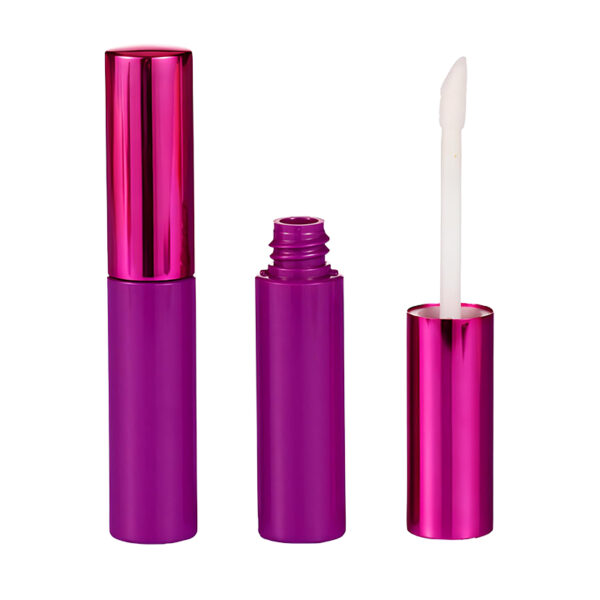
Another miss: process, not just parts. Many low-cost lines skip documented injection molding parameters and don’t log shot-to-shot variance. That means color drift, wiper lip flash, and brittle stems. Missing REACH and MSDS clarity? Expect longer customs reviews. No COA for raw resin? Expect batch-to-batch surprises. These are not luxury asks—they are basic packaging controls. The fix is direct: request torque curves, leak-rate data (after 24-hour inversion), and viscosity compatibility notes for your base formula. If a supplier shrugs, it’s a signal. A cheap unit price without QC structure is not value; it’s deferred risk, paid later in rework and reputation.
Comparative Proof, Future Rules
What’s Next
Now shift to what’s emerging. New technology principles let you compare suppliers by process, not promises. Digital mold monitoring records cavity pressure and temperature in real time; that stabilizes wall thickness and reduces stem warp. SPC charts on torque and leak-rate create a control loop you can audit. Ultrasonic welding for inserts cuts solvent use and improves seal integrity. Laser-trimmed orifices improve wiper uniformity across batches. Even simple upgrades—cleanroom assembly at ISO Class 8—cut fiber contamination inside the tube. When a vendor offers clear lip gloss tubes wholesale clear lip gloss tube from china with these controls, you are buying fewer surprises, not just more units. Add PCR content and an LCA summary, and you also gain sustainability signals your retail partners now expect (and audit). It’s a different game: evidence over adjectives.
So how do you choose, without slowing down? Use an advisory lens with three clear metrics—objective, repeatable, simple. 1) Functional reliability: require 0.5% or lower leak rate after 24-hour inversion and a published torque window per cap thread size. 2) Material transparency: PETG or PMMA resin COA, wiper polymer spec, and compatibility notes for your formula viscosity and fragrance load. 3) Process proof: SPC summaries for molding and assembly, plus AQL sampling plans you can spot-check on arrival. Keep it human: teams ship better when standards are visible and easy to follow—everyone wins faster. Carry these three checks into your next quote round, compare like-for-like, and you’ll see price in its proper context. Advisory in tone, practical in use, and grounded in data; that is how you make “cheap” actually cost less over time. And yes, consistency feels boring—until it saves the launch. For deeper specs and responsible scaling, see NAVI Packaging.