

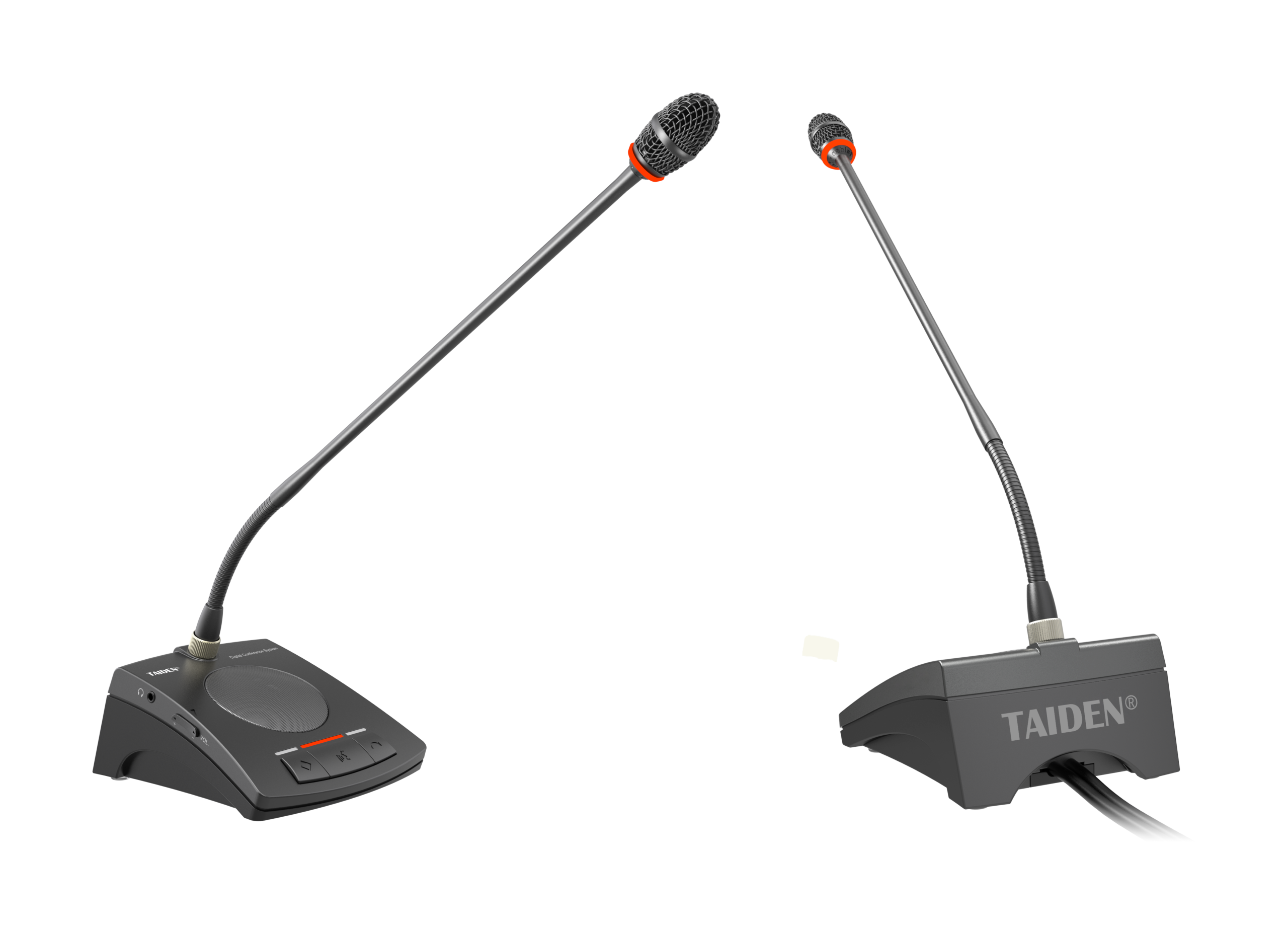
Introduction: A Clear Voice Beats a Long Agenda
Good audio wins meetings. In a modern office, the conference room speaker and microphone system decides who is heard and who is lost. With advanced digital audio products, even a small room can work like a studio, while a large boardroom can scale without chaos. Picture a quarterly review: remote clients on video, local team on edge, decisions pending. Industry audits often note that a noticeable slice of meeting time slips to audio issues—echo, low volume, dropped speech. Can a better audio chain cut that waste and make meetings calm again?
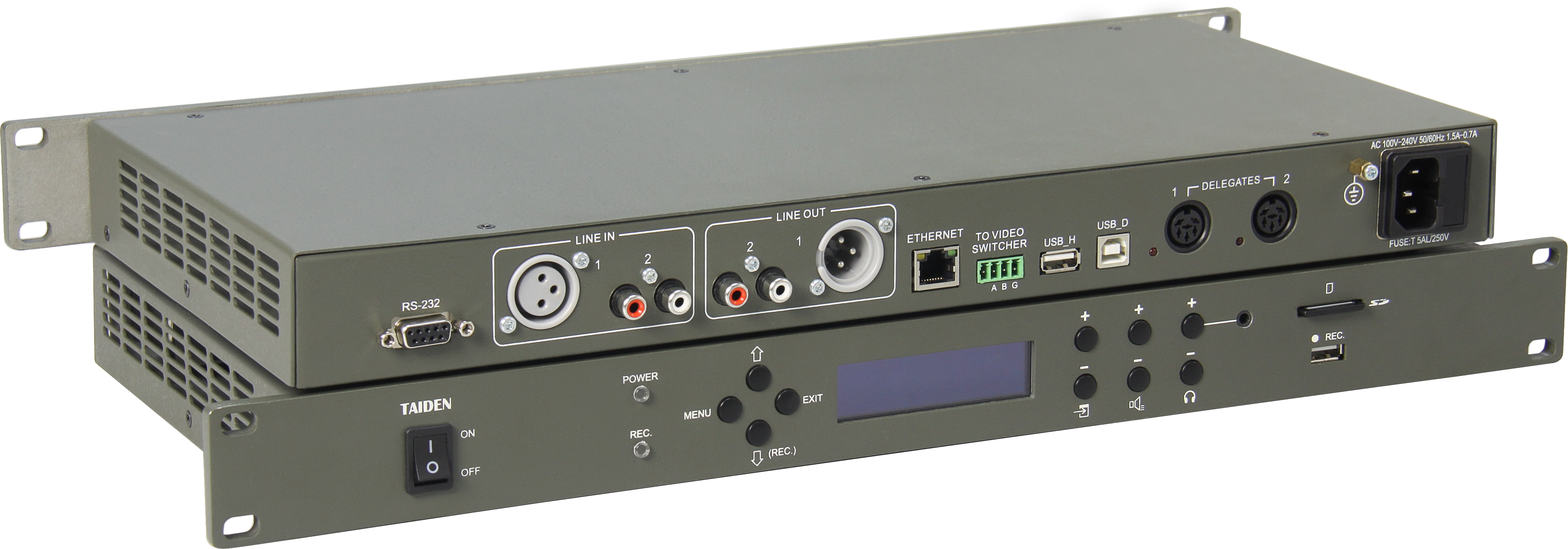
Here is the catch: most rooms sound fine when empty, but people change the acoustics. Soft voices, masks, glass walls, and air-con noise test the system and the DSP pipeline. Beamforming arrays, acoustic echo cancellation, and gain structure must work together, or clarity falls off a cliff. In India’s busy offices, we also juggle power quality and network load (not a small worry). So let us set the frame. We will compare how setups behave, why some fail at scale, and where the smarter path leads next.
Where Traditional Setups Break Down
What fails first?
Legacy rooms rely on daisy-chained mixers, scattered ceiling speakers, and tabletop mics with fixed patterns. It seems simple. Yet small flaws stack up fast. Poor gain structure raises the noise floor; a single open mic multiplies room noise; and comb filtering from multiple speakers blurs consonants. AEC works harder, then clips or pumps. Latency creeps in through scalers and codecs, and the far end starts talking over the room—funny how that works, right? When cables run long, ground loops hum; when power converters misbehave, you get buzz; when the switch ignores QoS, packets drop. People blame the platform, but the chain is at fault. Look, it’s simpler than you think: if coverage is uneven and the DSP cannot track talkers, intelligibility tanks, and decisions lag. One weak link—mic placement, room treatment, or network policy—can waste an hour without anyone realising why.
Comparing the Next Wave to the Old Guard
What’s Next
The newer approach flips the script. Instead of chasing faults, it designs for intent. Microphones use adaptive beamforming to follow speech, not tables. Speakers are zoned, so level is even and feedback risk is low. Auto-mixers open only the active channels; AEC measures, then cancels echo with stable ERLE, not “best guess” filters. Networked audio (Dante/AVB over PoE switches) moves signals as packets with QoS, so the latency budget stays tight. Edge processing at endpoints trims load on the core, while diagnostics flag issues before people complain. Compared with the patch-and-pray model, this principle-led stack is predictable—and kinder to your team.
Consider a hybrid boardroom upgraded to a wireless conference room microphone and speaker system built on the same resilient platform. No cables across the table; RF is shielded and coordinated; devices register, sync, and report status to IT. The system learns typical talker positions and applies noise suppression without crushing tone. Network policies prevent packet loss even when video traffic spikes. The result is not magic; it is engineering discipline: controlled coverage, stable DSP, and monitored uptime. We have moved from “Does it work today?” to “It works every day”—a small change that changes everything.
How to Choose Wisely
When you compare solutions, use three hard checks. First, measure intelligibility, not loudness: target an STI of 0.6 or higher across seats, with consistent SNR. Second, confirm end-to-end delay: keep the latency under 50 ms room-to-remote, including codecs and processors. Third, demand resilience: AEC performance (stable ERLE), RF coordination for wireless, and network QoS that holds under load. Add simple questions, too—can IT see device health, logs, and firmware from one console? Can the system auto-mix without gating artefacts? Does the vendor document gain structure from mic to speaker? Choose on evidence, not on gloss. The right room sounds unremarkable because every word lands. That is the point, isn’t it. For context and deeper options across categories, see TAIDEN.