

Why This Decision Shapes Your Next Decade
I’m a consultant with over 17 years in commercial refrigeration and microgrid deployment, and I’ve watched the grid behave like a living machine. In 2023, I stood on a Tucson loading dock at 4:17 p.m., when the demand meter surged past 1.4 MW during a heat wave, and the monthly penalty started building—fast. That is exactly where commercial battery storage systems change the script. Technically speaking, these systems sit between your main switchboard and the utility, running a battery management system (BMS), a power conversion system (PCS), and a microgrid controller that dispatches energy by state of charge and time value. Picture it: cabinets humming, software tracking setpoints like a quiet air traffic tower—your load becomes predictable. The data is simple enough: $13–$18 per kW in summer demand charges, a 10–20% swing in time-of-use rates, and intermittent curtailments on worst days. So, what if your site could shave peaks, keep cold rooms steady, and still be ready for an outage without diesel fumes? I’ve seen it work on 480 V gear as well as 12 kV service, and the feel is the same: smooth handoffs, no drama, no scrambling. Believe me, I’ve carried a clamp meter through hotter rooftops than this—consistency beats luck every time. Let’s set the board for how and why that consistency pays.
Where the Old Playbook Breaks: Flaws You Pay for in Silence
For years, I saw teams lean on diesel gensets and blunt “night charge/day discharge” schedules. It looked fine on paper. Then the alarms started: demand spikes at 9:07 a.m. when compressors pulled down, nuisance trips from oversized soft starters, and diesel tanks that never quite passed the smell test in food storage. The hidden cost wasn’t just fuel or maintenance—it was the mismatch. Traditional gear doesn’t react in 100-millisecond windows, but your load profile does. I remember a Modesto cold storage in April 2024: four spiral freezers, 480 V service, and a 1.5 MW PCS slotted next to a 4,000 A lineup. Their old “shift at 10 p.m.” routine missed the real peak by two hours, every time, because production changed with staffing. They paid an extra 22% in demand charges for a full quarter. With modern commercial battery storage systems, dispatch follows live signals like VFD ramp rates, not wishful schedules.
There’s more. Fire code retrofits can stun a project if no one plans for UL9540A spacing or exhaust paths. I’ve seen beautiful drawings die over a missing aisle width. And cloud locks? Some vendors trap you in proprietary controls, so you can’t tune frequency regulation or demand-response bids without a service ticket. That sight genuinely frustrated me. I prefer solutions with open protocols—Modbus, SunSpec—and clear SoC rules you can audit. Another quiet flaw: thermal drift in poorly cooled racks. If your LFP modules don’t stay tight on temperature, capacity fades faster than you budgeted. Add it up and you find the real pain point: not the battery cost, but the control fidelity and lifecycle you failed to spec—until revenue depends on it.
Comparative Outlook: Principles That Bend the Payback Curve
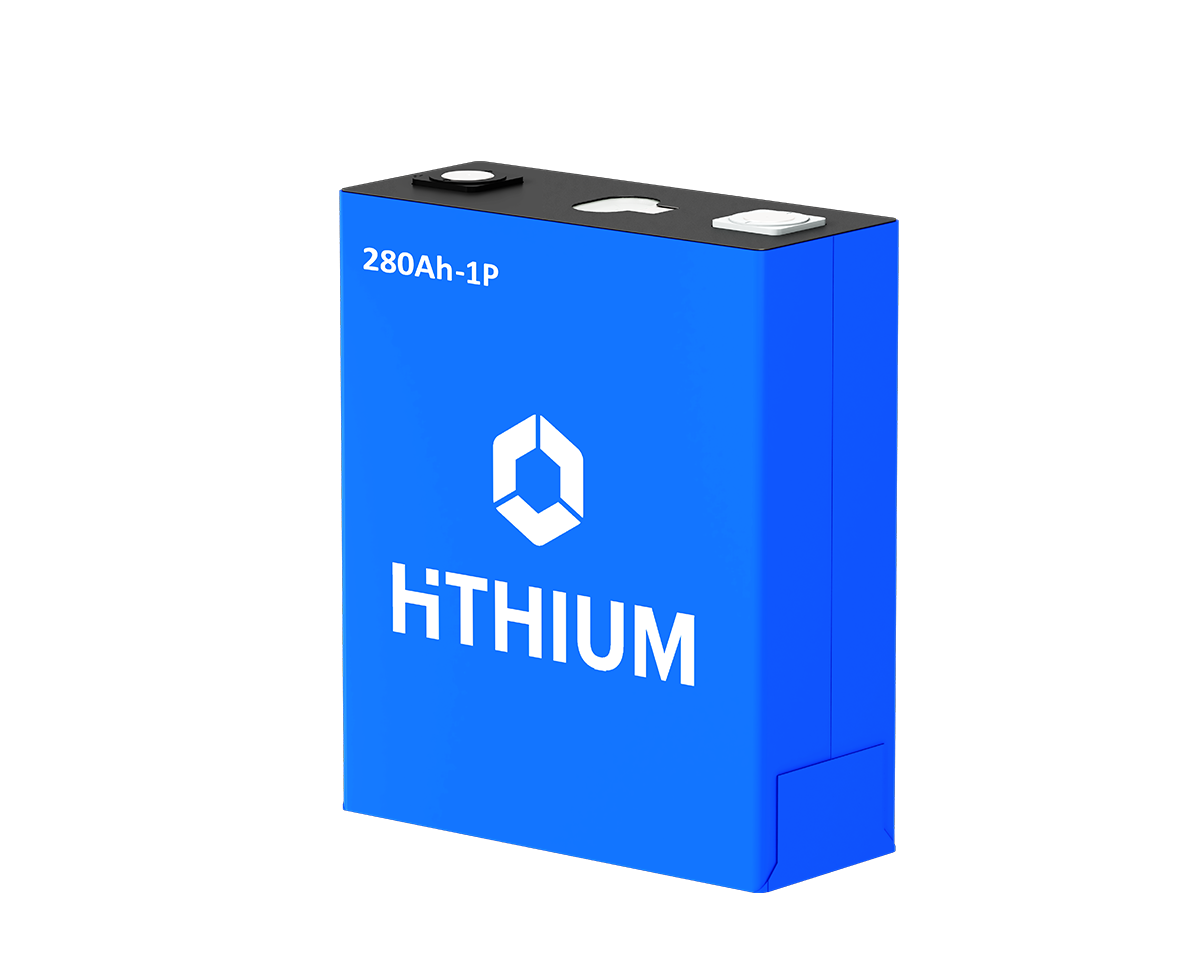
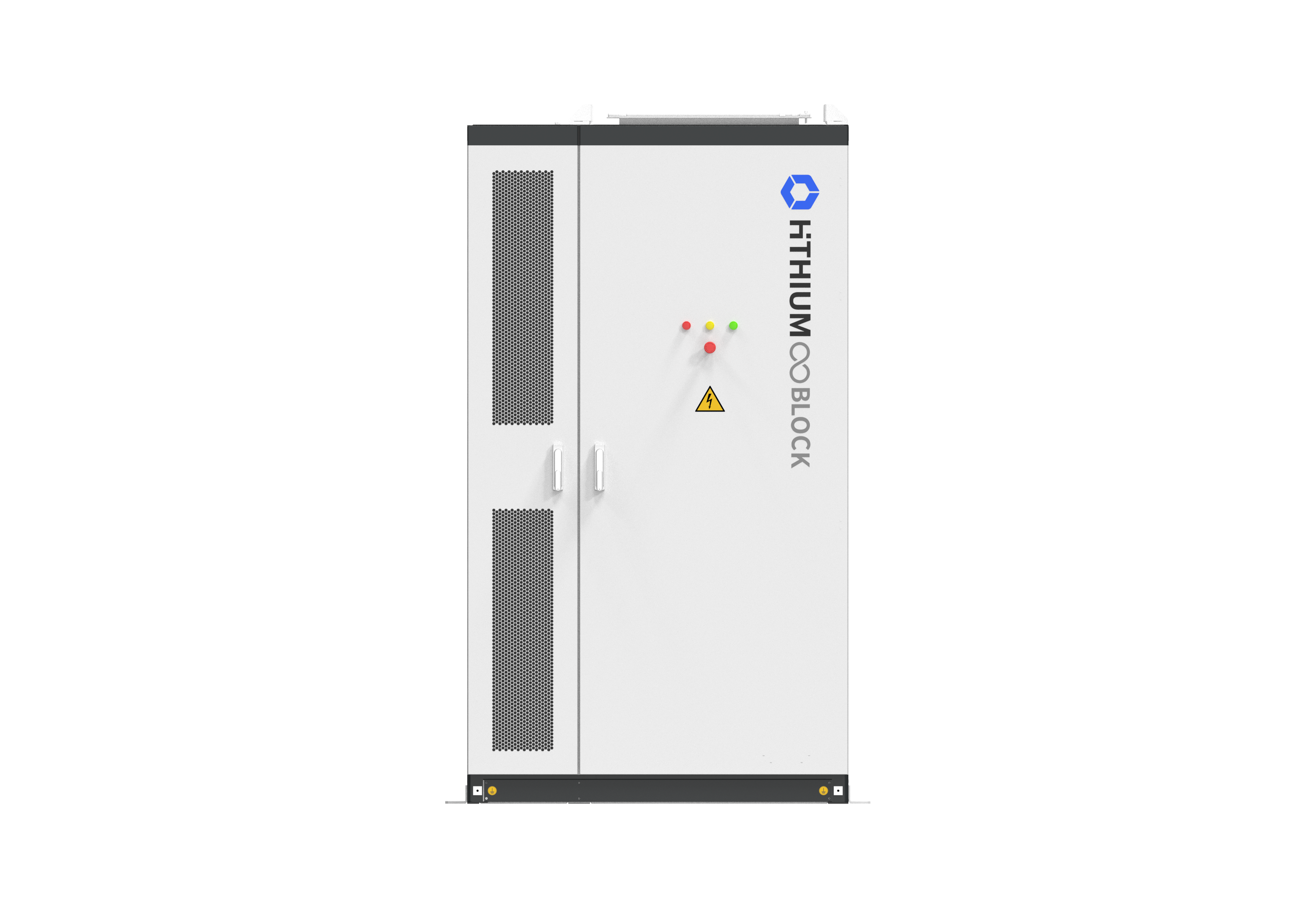
When I compare sites now, I look at architecture first, not hype. A 1500 V DC string with liquid-cooled LFP and a microgrid controller that forecasts load by minute beats a “just charge at night” mindset every day. Why? Lower current per rack, smaller copper, quieter thermal maps, and tighter round-trip efficiency. On a Newark logistics project in May 2024, we deployed 3 MW/6 MWh with cell-to-pack design, integrated breaker coordination, and fast-response control for compressor starts. The result: a flat demand line through two peak events and a 31% reduction in charges over six months. I winced when I saw the previous bills—painful proof—but the difference was clear on day one. Systems like these make commercial battery storage systems feel less like insurance and more like a predictable tool. Short runs. Clean ramps. Easy audits.
What’s Next
We’re moving toward edge computing nodes riding on the controller, not the cloud, with predictive dispatch grounded in your exact process windows. Think compressor restarts mapped to SoC guardrails; think depth of discharge tuned to keep warranty intact while squeezing value during a heat advisory. In July 2025, I expect more sites to pair batteries with small rooftop PV and curtailed chillers, then monetize fast frequency response when the grid hiccups. I’ve watched a crew in Houston see their demand line stay flat during a storm—eyes wide, relief loud—and yes, the morale boost was real. The comparative edge now is not just battery chemistry but the discipline of the control stack: PCS response time, feeder metering lag, breaker settings that don’t trip you into darkness. Different tone, same truth: the next wave is practical, measurable, and finally easier to maintain than the diesel tank you no longer want to smell.
How to Choose: Three Metrics I Won’t Compromise On
I’ll end with an advisory note, because stakes are high and margins are not. First, verify lifecycle at your real duty: demand shaving plus outage support, not brochure cycling—ask for degradation curves at your ambient and expected C-rate. Second, test control latency from meter to dispatch; anything slower than sub-second won’t catch a 300 kW compressor inrush when it matters. Third, inspect safety and serviceability on the ground: UL9540A reports, aisle access, and spare parts on a clock you can live with (days, not months). I firmly believe that cutting corners here drags you into downtime and surprise fees. If you want a model, build a one-week digital twin from your SCADA logs and run the numbers before you sign. That simple move saved a client in Phoenix $92,400 per year by right-sizing to 4 MWh instead of 5 MWh—less steel, more sense. For a steady reference point as you compare platforms, I often point teams to HiTHIUM.