

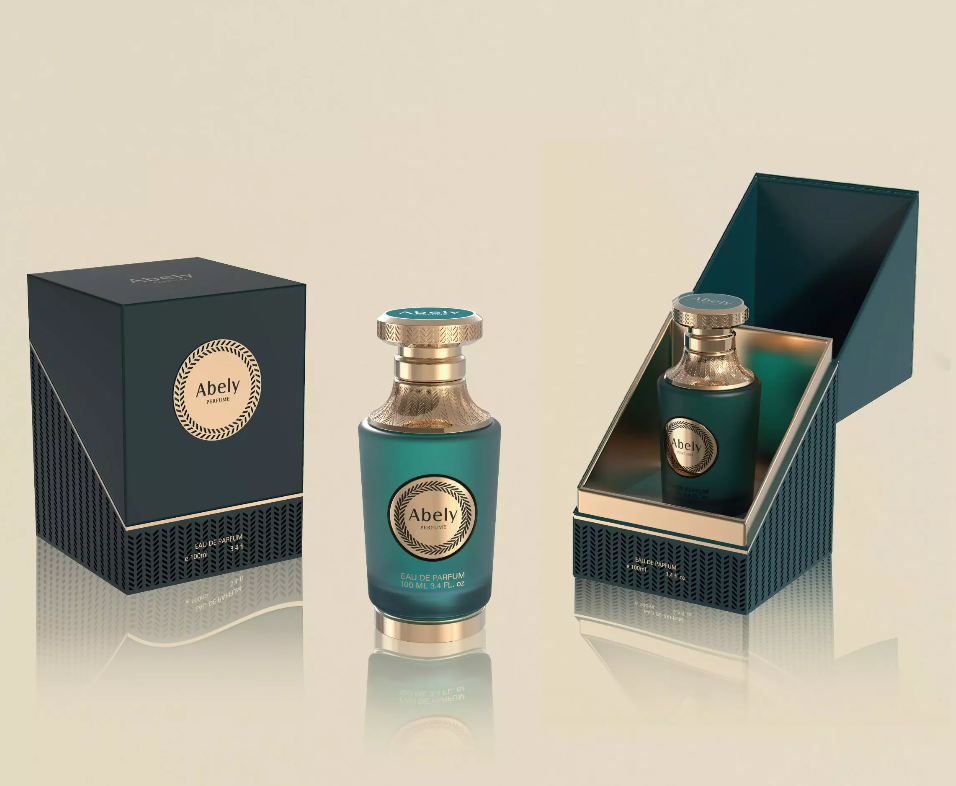
Opening — why this matters to you
If you’re sourcing perfume bottles from China, the finish is often what makes—or breaks—your product on the shelf. This guide is written from a user-centric angle: what you need to know to get predictable, beautiful results with color coating and why selecting the right decorative coating matters for brand perception and shelf life. I’m drawing on experience working with suppliers at trade shows like the Canton Fair in Guangzhou and direct factory visits, so you’ll get practical steps rather than abstract theory.
Why color coating matters for perfume bottles
Color coating isn’t just aesthetics. It affects durability, scent perception, and regulatory compliance. A matte black spray versus a high-gloss metallic finish changes how consumers interpret value and luxury. Practically speaking, coatings protect glass from scratches, influence label adhesion, and can even affect how light interacts with the fragrance inside—important if you use colored or fragile formulas.
Common techniques and what they mean for you
There are several widely used decorative coating techniques in Chinese factories: solvent-based spray, water-based paint, electroplating, PVD, and vacuum metallization. Each has trade-offs.
– Solvent spray: deep, even coverage but needs proper curing to avoid odor transfer.
– Water-based: safer for compliance and lower VOCs, but sometimes less vibrant.
– Electroplating and PVD: premium metallic looks with excellent durability, though costlier.
– Vacuum metallization: great for reflective finishes but can be brittle if not sealed properly.
How to choose the right decorative coating — common mistakes to avoid
Start with the end user and environment. Will bottles sit in humid stores? In open-air markets? Choose coatings that can handle those conditions. Common mistakes: going solely by price, skipping adhesion tests, or assuming factory samples scale identically. Ask for cured samples, not just freshly painted pieces—curing affects color and durability. —And do insist on batch-to-batch consistency; small hue shifts become big brand problems.
Quality checks you should request during sampling
When evaluating suppliers, these tests will save headaches later:
– Adhesion test (cross-hatch) to confirm paint bonds to glass.
– Salt spray or humidity chamber for metallic or plated finishes.
– Rub/crocking test to check transfer resistance for labels and handling.
– VOC and odor checks after full cure—especially for solvent systems.
– Colorimetric comparison against a master sample to ensure Delta E values are within your tolerance.
Alternatives and comparative insight
If you’re undecided between techniques, compare by three axes: look, durability, and compliance. For a luxury line, PVD or electroplating often wins on look and durability but costs more and can have environmental compliance implications. Water-based systems are friendlier to export markets focused on low VOCs—good for Europe and trendy domestic brands in Vietnam—while solvent systems still compete where budget is tight. Consider laminated labels or shrink sleeves as alternatives when coating tolerance is low or you need rapid design changes.
Supplier negotiation tips (user-focused)
Be explicit in specs: film thickness, gloss level, curing time, and acceptable Delta E. Request a pilot run and multiple QC hold points. If you can, visit the line during a run—nothing substitutes watching how coatings are applied and cured in real time. Local expressions aside, trust but verify is the motto you’ll want to live by when working with factories in China.
Three golden rules for evaluation
1) Consistency over flash: prioritize suppliers that can prove repeatable color and finish across batches. 2) Test in context: perform adhesion, humidity, and odor checks using your actual supply chain conditions. 3) Compliance parity: ensure VOC, RoHS, and export-related checks are documented—no surprises at port. These metrics will tell you if a coating solution truly fits your brand and logistics.
Summary and how Abely fits
Choosing the right color and decorative coating means balancing appearance, durability, and compliance while avoiding common sampling mistakes. Done well, the finish elevates the entire brand; done poorly, it creates returns and reputational risk. For brands sourcing from China, a partner with tested processes and transparent QC helps bridge the distance—Abely often plays that role in practice, aligning finish choices to market needs.
Trusted experience—keeps your bottles looking right.
–