

Introduction: Why Your Pendant Lights Win—or Fail—in the Real World
Let’s cut to the chase: lighting can make or break a space, and it can do it fast. When you source from a led lighting manufacturer china, you’re not just buying metal and LEDs—you’re buying engineering choices that show up in your shop, your lobby, your home. Picture this: a café owner installs new pendants before the weekend rush. Energy savings hit 60–70%. Guests stay longer. But one problem creeps in—flicker under dimming, glare at the counter, and heat that shortens lifespan. That hurts conversion and comfort. So here’s the challenge: what separates a pendant that performs every day from one that quits early? (Spoiler: it’s not only the LED chip.)
I’ll break it down in simple moves, like a trainer coaching form and breath. We’ll look at core build decisions, driver stability, and optics. Then we’ll stack them against the new wave of smarter, cooler, safer pendant systems. Ready to move from guesswork to clear metrics? Let’s step into the deeper layer next.
The Deeper Layer: Traditional Pendant Designs Hide Pain Points
What’s breaking the user experience?
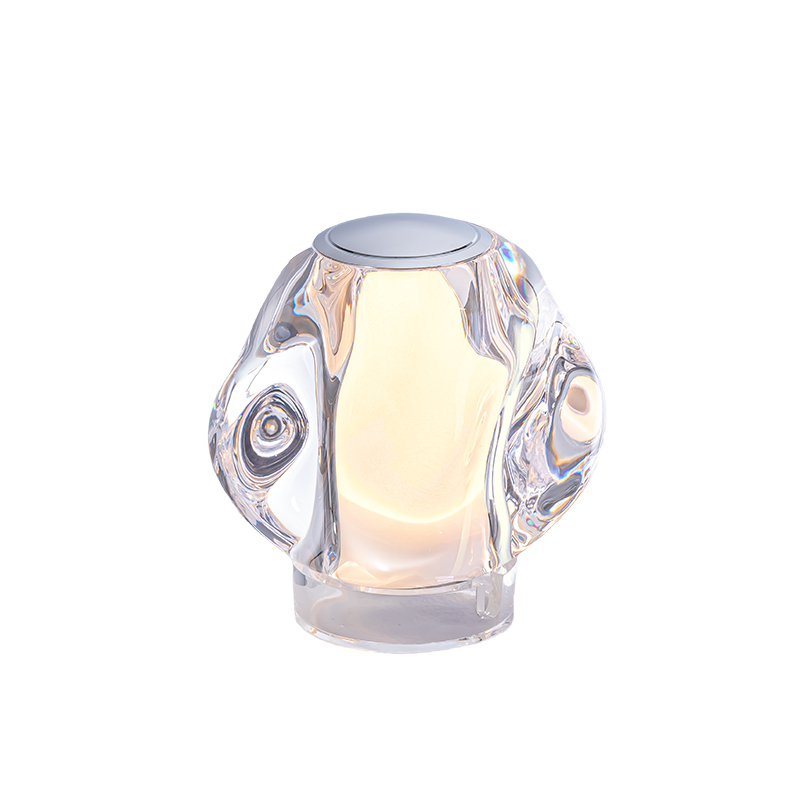
Start with the hero piece everyone loves to google: diamond pendant lights. They look stunning. But beauty can mask weak links. Many legacy builds use low-cost driver ICs and thin heat sinks. That means subpar thermal management, higher junction temps, and faster lumen drop. Dimming can trigger visible flicker if the power converters aren’t tuned or filtered well. Glare pops up when the optical diffuser is shallow and the beam angle is uncontrolled—funny how style shots avoid showing the hotspot over your table, right? Add poor power factor and you get wasted energy and grid noise. Look, it’s simpler than you think: bad upstream choices become daily discomfort downstream.
Now the human side. Users complain about “harsh” light, but it’s often a CRI mismatch or color shift under heat. Installers face buzzing at low dim levels because the constant-current drivers aren’t matched to the dimming protocol. Facility managers see early failures when cables run warm inside tight canopies. Each issue started on the drawing board, not at install day—funny how that works, right? The fix is not a thicker shade. It’s disciplined engineering: better thermal paths, low-ripple drivers, and optics that balance output with visual comfort. That is where true reliability—and calm, flattering light—begins.
Comparing What’s Next: Principles That Make Pendants Future-Ready
What’s Next
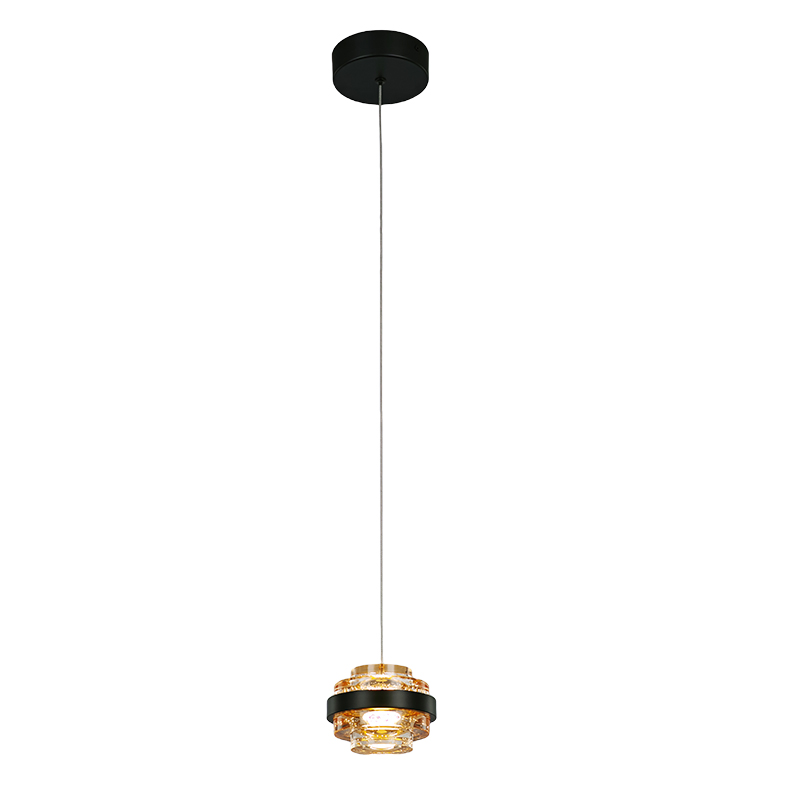
Let’s map the upgrade path. New driver topologies cut ripple current and hold a stable output, even with wide input swings. That means steady dimming without flicker bands. Advanced heat spreaders push heat away from the LED package into the body, so lumen maintenance stays high. Pair that with smart control—edge nodes, sensors, and safe protocols—and your pendant shifts from “static fixture” to “responsive tool.” The same thinking applies whether it’s a sculptural cluster or a single task piece like a single ceiling pendant light. Less heat, better power factor, and tuned optics equal fewer service calls and a better look. Small changes, big return— and yes, that matters.
On the optics side, deeper reflectors and micro-prism diffusers cut glare while keeping target lux. CRI and CCT stay consistent when thermal paths are clean. EMI shielding keeps the system quiet near POS gear. Compared with older builds, these choices deliver measurable wins: smoother dim curves, stable color, and longer driver life. That’s the comparative edge. You get style without strain, and performance that holds up after thousands of hours. Before we wrap, here’s a simple playbook to choose well: first, evaluate driver quality (low ripple, low THD, verified flicker percent). Second, check the thermal path (real heat sink mass, LM-80/LM-79 data, projected L70). Third, judge optical control (UGR or glare notes, beam shaping, and clean diffuser work). Keep these three, and the rest falls in line.
In short, the next wave of pendants isn’t only about looks; it’s about systems thinking. Choose makers who document, test, and iterate. Your spaces—and your users—will feel the difference over time. For a reference point on build clarity and engineering notes, see kinglong.