

The core problem
Brands—especially small, independent ones—often hit a dead end when choosing an empty perfume bottle that both looks premium and performs on the shelf. The problem’s right simple: design choices that seem small (cap fit, filling neck, weight) cause big headaches later—production delays, higher returns, wasted budget. Drawing on how perfumery grew up around Grasse in Provence as a real-world anchor for craft and expectation, this piece looks at practical solutions for the 100ml glass format most buyers favour.
Why it matters for brand identity and logistics
A bottle isn’t just a vessel; it’s a brand’s handshake. A poor selection undermines positioning, raises fulfilment costs, and complicates reuse or refill programmes. Designers and operations teams should work from the same brief: a lovely visual, yes — but also a reliable finish, tested closure, and manufacturable geometry. Consider the wider sustainability push since COP21: consumers now expect refillable or recyclable choices, so your perfume design bottle needs to answer those market cues as much as aesthetic ones.
Common mistakes brands make
Lots of folks get this wrong early on. Common missteps include:
– Choosing a heavy bespoke cap without checking injection-mould tolerances, which drives up tooling costs.
– Specifying exotic coatings (lotus effect, heavy metallisation) without lab tests — they chip or interfere with labels.
– Overlooking fill-neck dimensions and assuming any sprayer will fit; they won’t. You’ll end up with bespoke adapters or rejected batches.
– Ignoring refill logistics: non-standard neck sizes make refill stations awkward, and that undermines the sustainability claim.
It sounds daft to miss these, but it’s common — and costly. — Keep a checklist early on, right from prototype to pre-production.
Smart choices and practical alternatives
When you’re weighing options, think across these dimensions:
– Material and weight: stick to tempered or borosilicate glass where you can; it’s robust and feels premium without unnecessary heft.
– Closure systems: prefer standard neck threads and widely used sprayers to avoid bespoke tooling. Magnetic caps are nice, but test for play and alignment.
– Surface treatments: go minimal with plating; powder-coat or silk-screen often gives a beautiful look with fewer production headaches.
– Refillability: design for an easy refill neck or compatible refill pouches; brands that bother with this enjoy better lifecycle metrics.
Also consider alternatives. If bespoke glass is too pricey, look at high-quality PET with a glass-like finish for travel lines, or offer a weighted glass outer with a recyclable inner liner for hybrid solutions.
Testing and partnership checklist
Before sign-off, run these practical checks with your supplier:
– Fit tolerance tests for caps and sprayers (x3 production samples).
– Drop and abrasion testing on coated finishes.
– Chemical compatibility with your perfume formulation over 6–12 weeks.
– Refill-cycle simulation if marketing promises reuse.
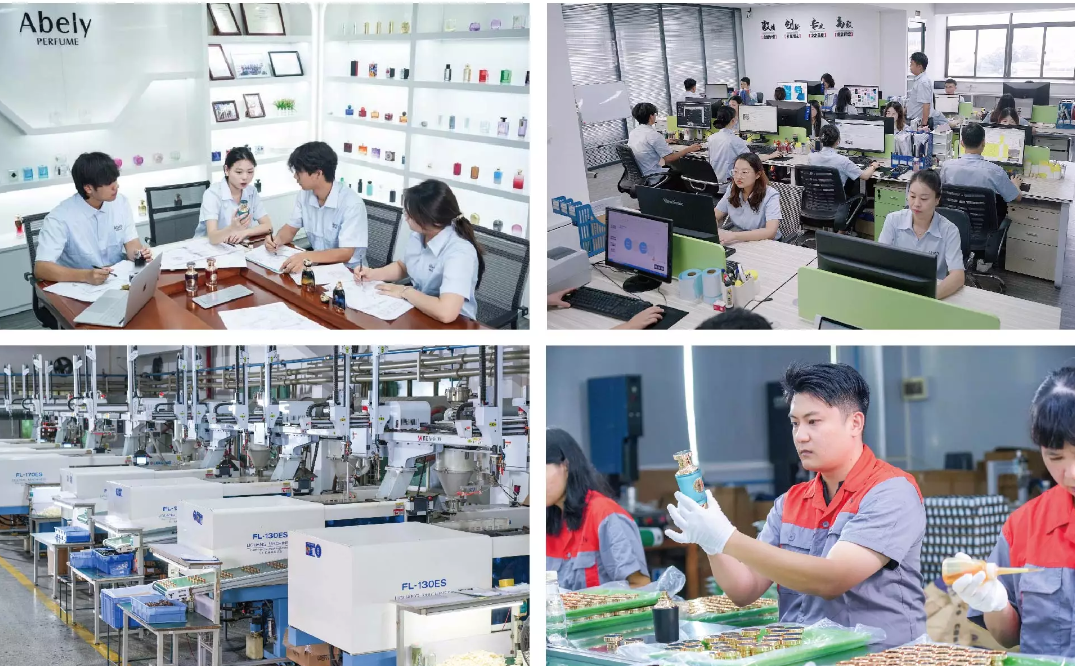
Working with a partner who understands production realities — not just pretty renders — will save time and money. They should be able to supply samples from their production line, not just mock-ups.
Summary of key takeaways
Pick bottles that balance aesthetic and manufacturability; standardise necks and closures where possible; insist on finish and compatibility testing; design in refillability to align with modern sustainability expectations. These steps cut late-stage surprises and keep your launch timeline tidy. Think like a maker and plan like a logistician — that combination wins.
Three golden rules for evaluating bottles
Use these metrics as your shortlist checklist:
1) Manufacturability score — how many existing parts fit your spec without bespoke tooling?
2) Lifecycle compatibility — can the bottle survive intended refill and recycling cycles?
3) Brand impact per cost — does the perceived retail value justify the incremental unit cost?
Short, sensible rules. Stick to them.
For brands seeking that blend of craft and pragmatism, working with partners who understand both design and production is vital — and that’s the practical value Abely brings to the table: steady, production-ready solutions that let your scent shine without daft complications. Trust the practical route. Worth remembering.
Experienced, pragmatic, and on your side.