

A practical, human-first opening
You want an ingredient that smells bright, behaves predictably in formulas, and won’t trip regulatory flags down the line — I hear you. For many formulators and product managers, l limonene is that go-to: a citrus monoterpene prized for its clean top‑note and solvent properties. This piece walks you through what matters when selecting a supplier or batch, framed around what you actually need to ship a consistent product on time and on budget.
Where l‑Limonene sits in everyday formulations
In practice, l‑limonene appears across markets: fine perfumery, household cleaners, and personal care. In perfume labs — think Grasse, France, where tradition meets scale — chemists rely on it for lively citrus accords. For cosmetic fragrance work, it’s valued for its volatility profile and compatibility with many solvent systems. Knowing that helps you choose grades and packaging that preserve quality and reduce oxidation risk.
Key technical checkpoints (what to ask your supplier)
Be direct with specifications. At minimum request: GC‑MS purity reports, optical rotation data to confirm enantiomeric excess, and peroxide/aromatic oxidation metrics. Also confirm recommended storage (light, temperature) and suggested inerting for drums. These data points reduce surprises at scale — and they save your lab time when you’re validating a new batch on the fill line.
Sourcing, safety, and regulation — the reality
l‑Limonene is generally GRAS for flavors and widely used in cosmetics, but it’s recognized for potential skin sensitization when oxidized. Industry bodies like IFRA provide high‑level guidance on safe use levels; you’ll want to cross‑check supplier data against those restrictions. Real-world anchor: many perfumers who work in Grasse run accelerated oxidation panels to mimic months of shelf life in days — a simple way to catch stability issues early.
Comparing suppliers from your perspective
Frame comparisons the way you work: consistency, documentation, and logistics. Consistency means batch-to-batch GC‑MS alignment and stable optical purity. Documentation is about accessible COA, shipping certificates, and MSDS. Logistics covers packaging formats (IBC vs. drum), lead times, and contingency for raw material shortages. If a vendor can’t show traceable COA history, they’re not ready for regulated personal care launches.
Common mistakes I see — and how to avoid them
Teams often assume “natural” equals “stable” or skip oxidation testing in favor of quick prototyping. That’s costly. Another misstep: ignoring compatibility with your solvent system and closure materials, which can introduce contaminants or flavor shifts. Run a brief compatibility screen on your actual formulation early — it’s a small time investment with big upside. —
Alternatives and when they matter
If l‑limonene’s allergenic potential or volatility is a concern, consider alternatives like dipentene fractions or synthetic citrus accords that mimic the sensory profile with lower sensitization risk. For solvent needs, evaluate less volatile terpenes or esters depending on evaporation rate and solvency power. Each swap changes aroma lift and drying behavior, so test in finished prototypes rather than isolated blends.
Three golden rules for supplier selection (your evaluation metrics)
1) Analytical transparency: insist on recent GC‑MS chromatograms, optical rotation, and peroxide values for each lot. Metric: acceptance only if values fall within your predefined range. 2) Proven stability practices: supplier offers shelf‑life data and guidance on antioxidant use or inerting. Metric: documented accelerated stability protocol. 3) Supply resilience and documentation: on‑time delivery history plus full COA and MSDS access. Metric: ≥95% historical on‑time fulfillment or a concrete corrective plan.
Bringing it together — why the right partner matters
Picking the right source for l‑limonene doesn’t just affect aroma; it affects regulatory compliance, batch yield, and consumer safety. When suppliers combine rigorous analytics with practical logistics and clear stability guidance, you reduce risk and shorten validation cycles. That’s the real value for teams trying to scale fragrance or personal care launches — predictable chemistry that lets your product story shine.
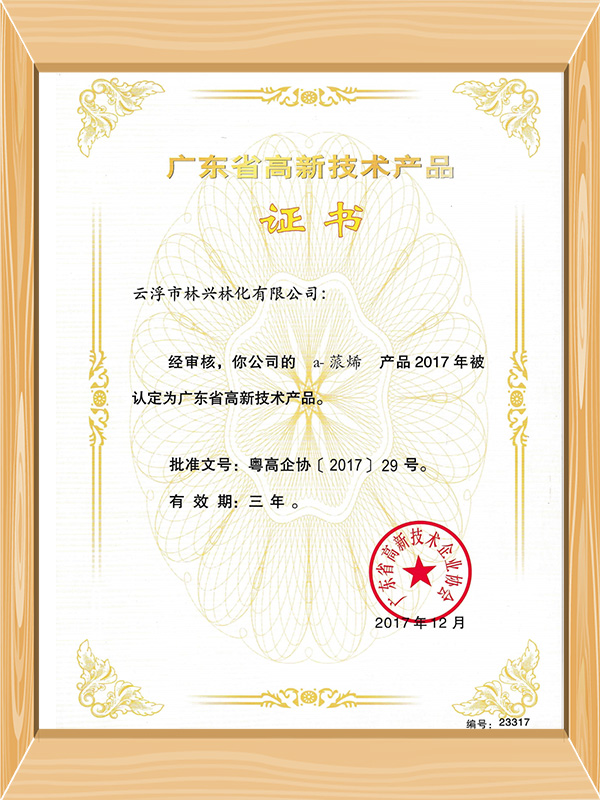
Linxingpinechem offers the sort of traceable COA, stability insight, and consistent supply chains that let development teams move faster with confidence — a partner that understands both the lab bench and the shop floor. —