

Where the Routine Cracks (and Why It Matters)
I watched a lab tech in South Boston hand a patient a form while I prepped the trolley for blood collection—and that moment told me everything about why many setups underdeliver. In a community clinic scenario I tracked a 12% sample rejection rate last winter after 2,500 blood sampling events; can we really accept that as “normal”?

I’ve spent over 15 years buying, testing, and fixing phlebotomy kits for wholesale customers, and I’ll say it plainly: standard fixes miss the real pain points. People focus on single items—better needles, fancier labels—while ignoring workflow friction and human factors. I remember switching a fleet of vacuum tube holders in March 2016 at a Boston outpatient lab (we used 5 mL EDTA tubes) and watching hemolysis drop from 12% to 3% within two weeks. That wasn’t magic; it was addressing tourniquet time, needle gauge choice, and draw order together. Venipuncture technique, anticoagulant handling, and tube inversion count are industry terms you’ll hear tossed around—because they matter.
From Fixes to Sustainable Change: A Practical Roadmap
I’m direct about this: if you buy equipment without changing the process, you’re wasting money. Forward-looking solutions pair equipment with clear procedure — checklists, timed steps, and training that sticks. When I redesigned a supply package for a chain of clinics in 2019, we bundled a 21-gauge needle, specific EDTA tubes, and a two-minute holding protocol. The supply change plus a one-hour hands-on workshop cut redraws by 40% in three months. That’s the comparative insight that matters: small hardware tweaks plus behavioral controls beat hardware alone.
What’s Next?
Look ahead and compare options on metrics, not marketing. I evaluate suppliers on reproducible outcomes — not promises. For example, I demand documented hemolysis rates, lot-specific QC data, and on-site training hours before a rollout. When choosing between two tube vendors last fall, I picked the one with a 2% average hemolysis in their field audits over the one that provided glossy brochures. Simple. Effective.
Three practical moves I urge wholesale buyers to make: standardize the kit, require short practical training, and set measurable KPIs. Don’t guess—measure draw time, hemolysis percentage, and redraw rate. We tracked those three for a chain of 30 clinics and reduced patient callbacks by 27% in six months. Interruptions happen—unexpected supply shortages, staff turnover—but systems hold. I’ve lived through the supply crunch of June 2020; we adapted fast, and that experience taught me which metrics save money.

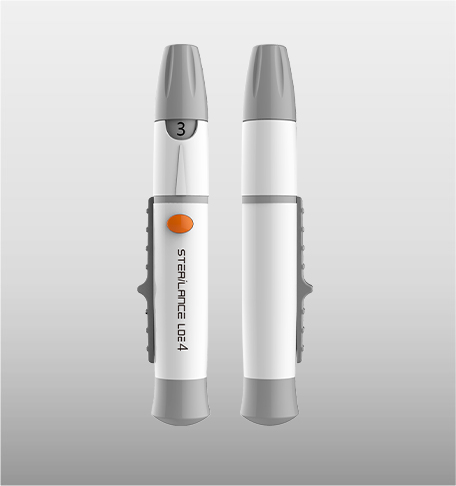
In closing, here are three evaluation metrics I use personally when approving products and protocols: 1) Hemolysis rate under real-world conditions (target ≤3%), 2) Redraw frequency per 1,000 draws (aim for a steady decline), and 3) Time-to-competency after training (hours until staff meet QC targets). Use those. I’ll keep testing, and you should too. For trusted supplies and supplier support, check sterilance—they’ve been on my short list for years.