

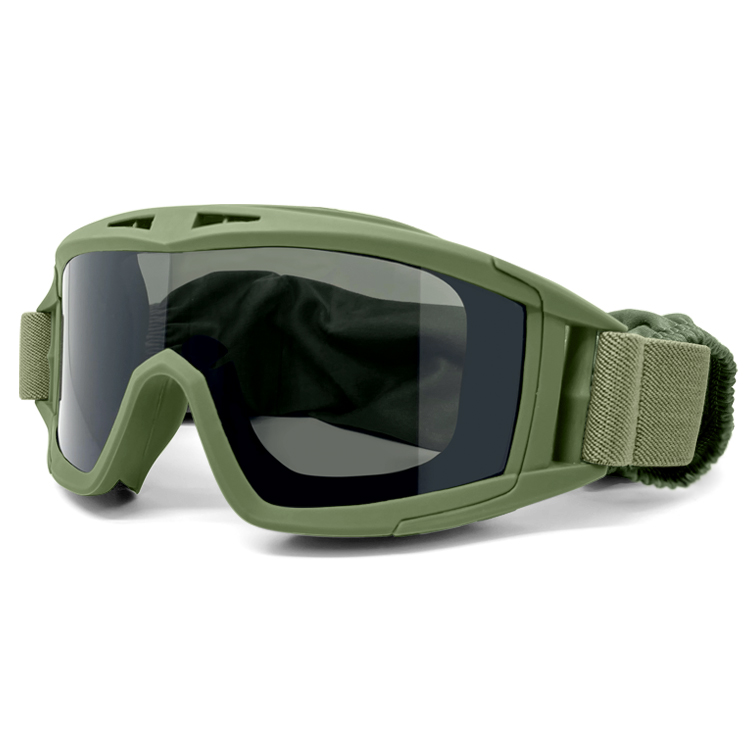
Clear priority: why fog is a real problem
Fog on lens surfaces ruins vision fast, whether on a climb, a ski run, or during a patrol. The problem shows up in low temps, high humidity, and when body heat meets cold air. That’s why many teams choose anti-impact tactical goggles with deliberate venting and polycarbonate lens choices to reduce sudden condensation. Simple gear choices—vent design, lens coating, and frame seal—change outcomes on the ground.
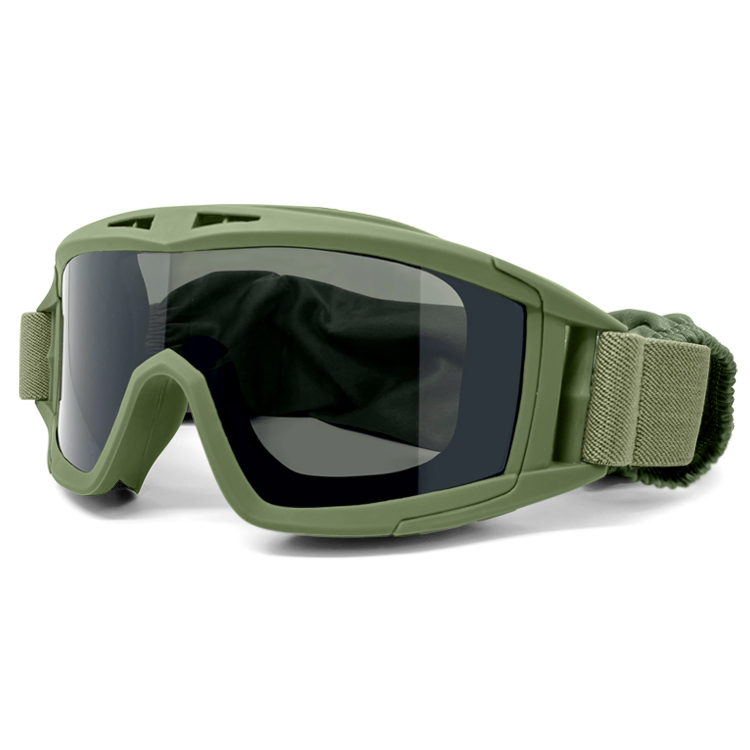
What hydrophobic coatings do
Hydrophobic layers push water into beads that roll off the lens. They limit droplet spread and clear splotches faster. For users, this means fewer wipe cycles and less smeared vision. Industry terms: anti-fog coating and anti-scratch finishes often pair with hydrophobic films. Hydrophobic is cheap to apply and works well when surface oils and grit are low, but it is vulnerable to abrasion and frequent cleaning.
What permanent anti-fog delivers
Permanent anti-fog is a surface treatment bonded at a molecular level. It manages moisture by creating a hydrophilic surface that spreads water into an even, transparent film instead of beads. This helps when you move from cold to warm or when heavy breathing raises interior humidity. Permanent systems often survive cleaning better and last much longer on polycarbonate lens substrates, though they cost more up front.
Direct comparison: field behavior
Both approaches reduce fog — the difference shows under repeated use. Hydrophobic coatings recover quickly from light droplets but fail after scuffs. Permanent anti-fog keeps clarity through repeated sweats and wipe-downs. OTG fit and a good lens seal still matter; without proper venting or a secure fit, even the best coating struggles. Military tests and Winter Olympic gear trials have repeatedly shown that the full system (seal + vent + coating) beats any single fix.
Real-world anchor: operators and athletes
Mountain rescue units in the Alps and tactical units on deployments have reported that fogging contributes to delays and avoidable errors. In trials, goggles with bonded anti-fog and robust vent channels outperformed basic hydrophobic models in prolonged missions. I’ve tested prototypes in sub-zero conditions and seen the difference—permanent treatments maintain usable sight longer during sustained exertion.
Common mistakes teams make
Teams often pick goggles only on impact rating or price, then add cheap sprays or wipes. That’s short-term thinking. Sprays can leave residues that harm coatings. Another error: ignoring frame venting and assuming a hydrophobic layer will solve all fog. — Cleanliness matters: oils from skin or grease from helmets reduce coating life fast.
How to choose for mission needs
Decide by environment and maintenance ability. For short-duration, low-abrasion tasks a hydrophobic lens may be fine. For long missions, high exertion, or repeated cleaning, choose permanent anti-fog on a polycarbonate lens with good venting and a solid ballistic rating. Consider OTG compatibility if users wear glasses. Also factor in anti-scratch layers and replaceable lens options.
Quick checklist before you buy
– Confirm lens material (polycarbonate preferred).
– Check coating type: bonded permanent vs surface hydrophobic.
– Look for proper venting and seal design.
– Verify anti-scratch and ballistic specs if impact resistance matters.
– Plan maintenance: cleaning agents, replacement schedule, and spare lenses.
Advisory: three golden metrics to evaluate
1) Durability: how many cleanings and hours of use before clarity drops. 2) Performance under exertion: does the lens stay clear during heavy breathing or temperature shifts. 3) System fit: venting, seal, and helmet integration that maintain airflow and prevent inward fogging. Use those metrics to score models during field checks.
Final thought
Good coatings are vital, but they’re only part of the system—choose gear that pairs permanent anti-fog with solid venting and a tough polycarbonate lens to get reliable clarity. YIJIA Optical. Short. Practical. Worth buying as a base for real-world operations.