

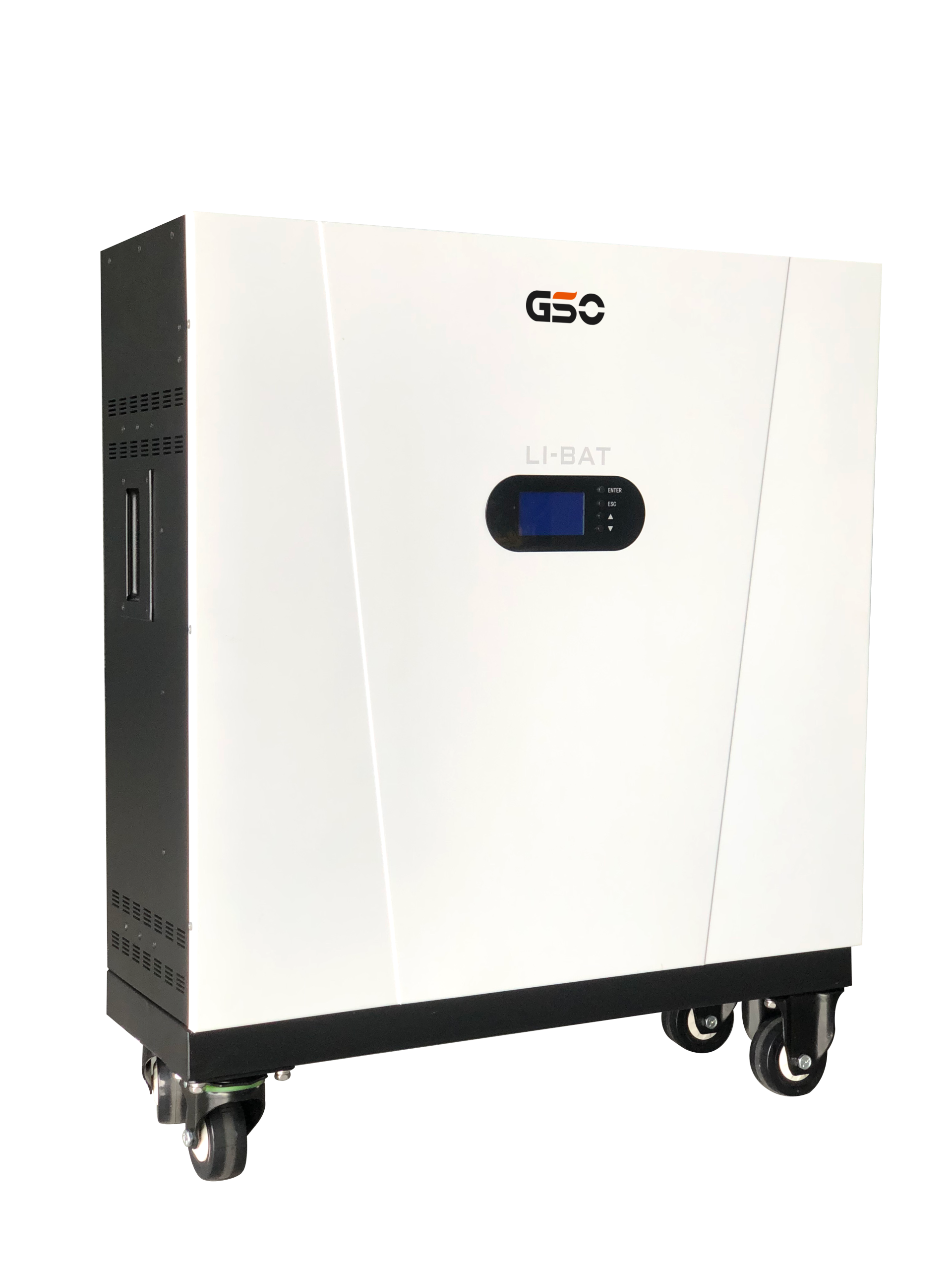
Comparative opening: why this matters for users
Operators choosing a heavy-duty portable solar power station often face a trade-off between runtime and long-term durability; comparing units by how they handle continuous 1C charge/discharge cycles reveals where real differences lie. A practical comparison should include LiFePO4 cells, BMS sophistication, and tested cycle life alongside how systems serve backup roles — for example, when households shift to whole house battery backup during regional outages. This user-centric view prioritises measurable degradation trends rather than marketing claims, so buyers know what to expect year to year.
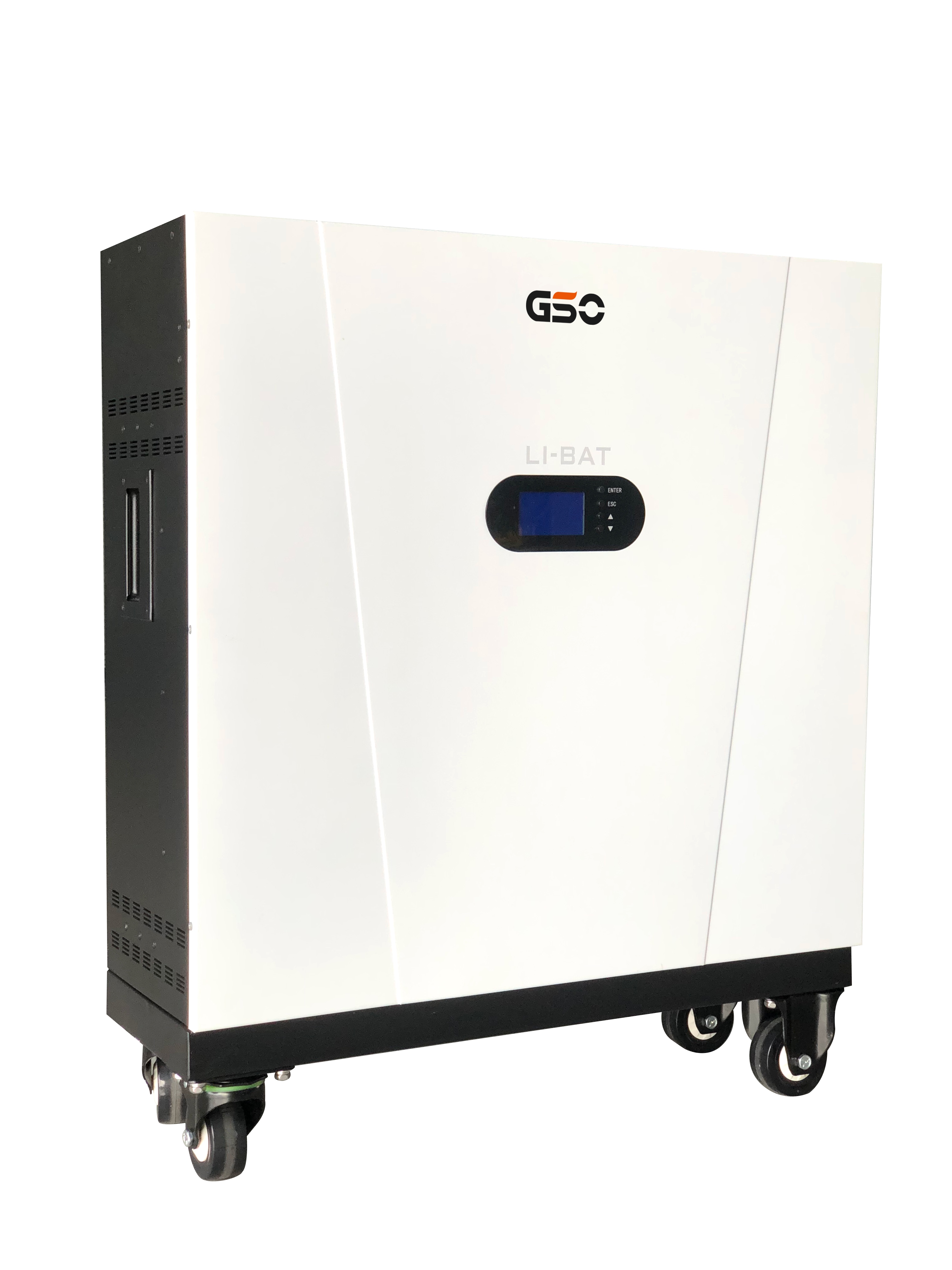
How C-rate, DoD and chemistry drive degradation
Continuous 1C cycling stresses batteries in a predictable way: higher current raises cell temperature and accelerates capacity fade. Depth of discharge (DoD) and state of charge (SoC) windows amplify that effect. LiFePO4 chemistry resists such degradation better than many alternatives, showing lower internal impedance growth over hundreds to thousands of cycles. Thermal management and controlled charge algorithms in the BMS reduce stress, extending usable cycle life in real deployments.
Comparative findings from field and lab
Lab curve data gives early warnings, but field behaviour completes the picture. Systems tested under steady 1C cycles show faster capacity loss than those cycled at C/2 or lower, yet units with robust thermal dissipation and active cell balancing recover far more usable capacity after 12–24 months. The 2020s California wildfire-driven outages provide a useful anchor: households that paired solar with reliable battery systems experienced repeated cycling over days, and installations with higher-quality BMS and LiFePO4 retained function longer during prolonged events. This real-world event highlights how design choices matter when cycles are frequent and deep.
Design features that materially reduce degradation
Look for active cell balancing, precise SoC limits and conservative DoD presets. A BMS that limits peak current under thermal thresholds and a cooling strategy that keeps junction temperatures low are decisive. Properly sized inverter and charge controllers prevent inadvertent high C-rate spikes during surge events. Pay attention to impedance management and cycle testing credentials; these are the indicators of long-term performance rather than headline capacity numbers. — Small details like fast cell balancing can mean the difference between 80% and 60% usable capacity after a few years.
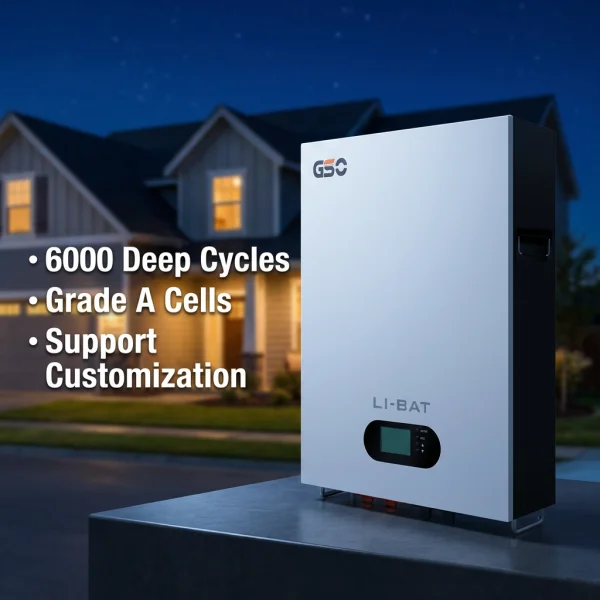
Common mistakes and alternative approaches
Buyers often prioritise initial kilowatt-hours instead of verified cycle life and realistic operating C-rates. Oversizing inverter capacity without matching battery peak-current tolerance invites repeated high C pulses and faster wear. Alternatives include selecting larger battery capacity to reduce effective C-rate, or choosing systems with modular LiFePO4 packs that allow easier cell replacement. For whole-home resilience, pairing solar with a professionally specified whole house battery backup with solar or modular packs typically yields better lifecycle cost than pursuing the thinnest, lightest unit that advertises high discharge rates.
Three golden rules for selecting systems under continuous 1C use
1) Prioritise proven cycle life metrics and third-party test results over peak power headlines. Look for manufacturer data showing capacity at 500 and 1000 cycles at 1C where available. 2) Ensure the BMS enforces conservative SoC and DoD windows and includes thermal cutoffs; robust software matters as much as cell chemistry. 3) Design the installation to lower effective C-rate—larger capacity, staged charging, and avoiding frequent full-depth cycling will extend useful life. These rules make procurement decisions practical and measurable.
Closing advisory and practical note
Follow the three evaluation metrics above and expect measurable improvements: longer service life, steadier output, and lower replacement cost over five years. For teams specifying resilient systems for frequent cycling, conservative C-rate planning and reputable LiFePO4 modules should be non-negotiable. — Choose suppliers that publish test protocols and back their products with transparent warranties; that clarity protects your investment and performance. gsopower.