

Introduction — scene, numbers, and a question
Have you ever watched a factory line pause because one controller hesitated? I ask this because downtime adds up fast: many plants report 2–6% lost production from control mismatches. In these settings, master and slave controller arrangements govern timing and safety, and they shape whether a run finishes on time or stalls mid-shift. (We see edge computing nodes, power converters, and simple PLCs all trying to keep pace.) So what really decides if a system will fail gracefully or fail loudly? I want to walk you through that — one small example at a time — and then compare the real trade-offs. This will lead into a closer look at the weak points beneath the surface.
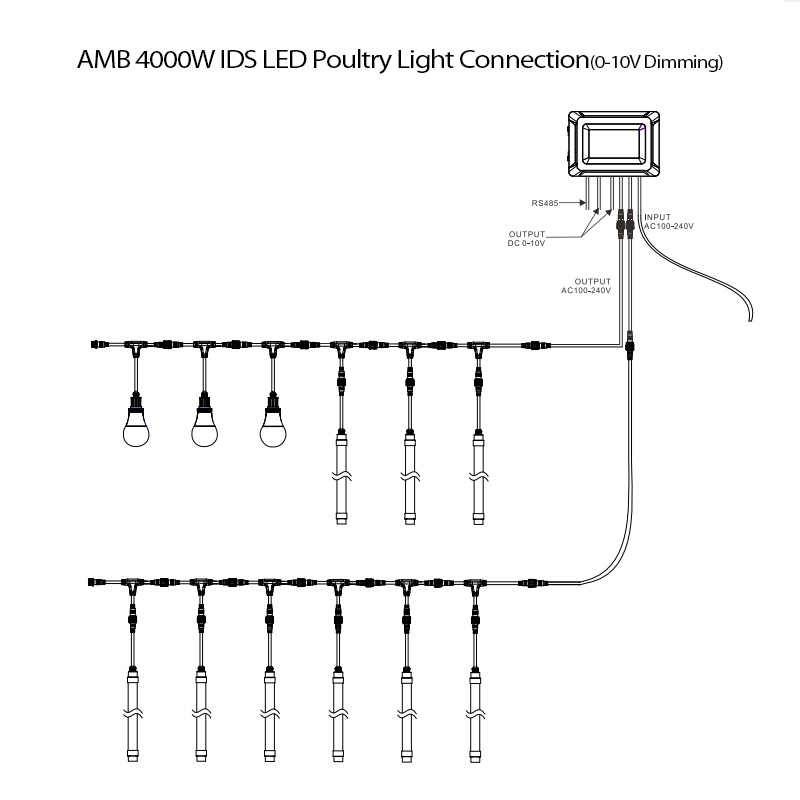
Where traditional systems fall short
master slave control system designs often look tidy on paper, but I find they hide brittle dependencies in practice. Engineers pair one master with several slaves, and the master handles scheduling, heartbeat checks, and command arbitration. That model sounds neat, yet it creates single points of failure: master overload, bus congestion, and delayed I/O can all cascade. You lose responsiveness when the communication bus saturates or when a master tries to juggle too many I/O modules at once.
Why do old systems struggle?
Because they assume perfect timing. They assume the master will always reply fast enough. They assume slaves will always catch up. In the real world, interrupts, jitter, and battery management handshakes inject latency. Look, it’s simpler than you think — the chain is only as strong as its slowest link. When a power converter goes into a protection mode, the master must rebalance commands; if it cannot, the slaves hang and the line stops. I’ve seen teams patch this with manual resets and workaround scripts — ugly, but immediate. The technical fixes (redundant masters, better watchdogs, bus segmentation) work, but they add cost and complexity. And complexity often brings new failure modes.
What comes next: new principles and practical metrics
Moving forward, I prefer to think in principles rather than silver bullets. Modern answers mix local autonomy with coordinated oversight: smarter slaves that can act on local sensor data, plus a master that provides higher-level goals and reconciliation. The master slave control system of tomorrow splits duties — edge decision-making for speed, master arbitration for consistency. This reduces latency and limits the blast radius when a node misbehaves. In practice, that means embedding lightweight controllers into edge computing nodes, using robust communication protocols, and designing power circuits so the system degrades gracefully — not catastrophically. — funny how that works, right?
Real-world impact and three metrics to choose by
When I evaluate options, I check three things: latency under load, failover clarity, and maintenance cost. Latency under load shows whether the system keeps pace when many slaves speak at once. Failover clarity tells me how predictably the network recovers after a fault — do slaves have safe default behavior, or do they freeze? Maintenance cost weighs the real labor needed for firmware updates and troubleshooting. If you score candidates against these metrics, decisions get less emotional and more practical. I recommend testing with representative loads and logging every heartbeat — you will thank me later. After all, good design is about predictable results, not heroic fixes.
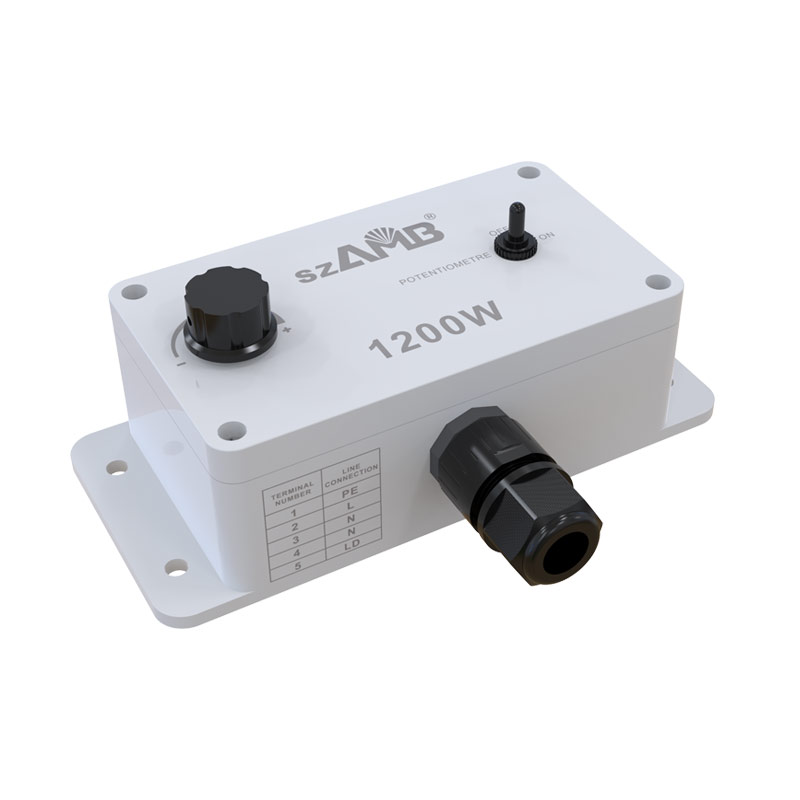
In closing, I’ve learned to prefer layered control: a responsive local layer plus an orchestrating master. It reduces surprises, cuts mean time to repair, and keeps production steady. I hope these notes help you ask smarter questions when you audit a controller setup. For practical components and reference designs, I turn to teams that document real test data and field experience — and yes, sometimes I point colleagues to tools and vendors that back that up. For example, check resources from szAMB when you want tested modules and clear specs. I’m happy to discuss a specific scenario if you want — we can walk through it together.