

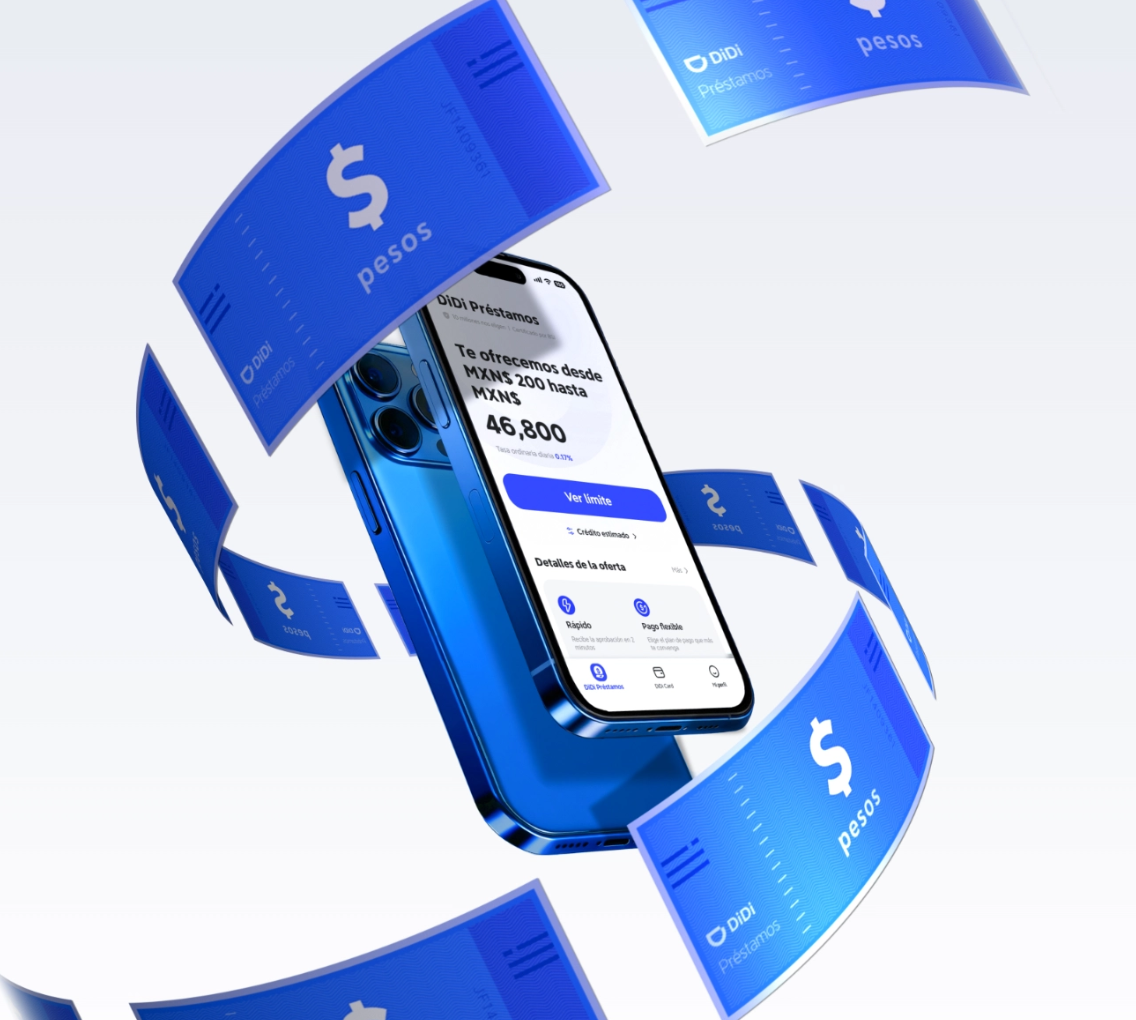
Why this matters now
Many young people in Mexico juggle gig income, loan apps, and rising living costs; a clear, practical system helps. Start by treating any fintech tool as a utility: verify features, compare costs, and track behavior. This guide shows step-by-step how to use didi finanzas responsibly and whether it fits your budget goals, with concrete checks you can run tonight.
Problem: common financial pitfalls for young people in Mexico
Irregular income, limited credit history, and opaque transaction fees make budgeting fragile. The 2018 Fintech Law in Mexico created more regulated space for digital finance, but regulation doesn’t replace user diligence. Young users often mix personal and gig funds, skip KYC steps, and ignore security settings for convenience—then face unexpected charges or blocked accounts. Recognize the weak links: account linking, insufficient documentation, and poor UX that hides fees.
Step-by-step: how to set up and use didi finanzas responsibly
1) Verify identity and permissions first: complete KYC, enable two-factor authentication. 2) Start with a low balance and small P2P transfers to test limits and speed. 3) Map recurring inflows (paydays, tips) to sub-accounts or budget categories; treat wallets like envelopes. 4) Track every transaction for the first 30 days—export CSV if available and scan for hidden transaction fees. 5) Adjust notification settings so you see debits instantly. Each step reduces surprises and tightens control over digital wallet behavior and transactional security.
Common mistakes and how to avoid them
Mixing business and personal flows is the top error—keep separate accounts or wallets. Ignoring small fees is second; those cents add up. Relying solely on informal customer support is third—document chats and save receipts. Also avoid linking high-interest credit automatically to cover shortfalls; that creates a debt spiral. —A quick aside: audit your linked bank and card once a month; it takes ten minutes and prevents bigger headaches.
Alternatives and when to choose them
Use a traditional bank account for salary and automated saving, a dedicated mobile wallet for day-to-day spending, and a credit card only for planned, repayable purchases. If you need instant payouts from gig work, choose a wallet or payout service with clear fees and instant settlement. Compare didi finanzas mexico against neobanks and universal mobile wallets on fees, settlement times, and dispute resolution. Prioritize providers that offer clear transaction histories and exportable statements for taxes or accounting.
Security checklist
Confirm HTTPS and updated app versions, enable biometric unlock if available, and avoid public Wi‑Fi for transfers. Keep recovery phrases or support codes offline. If a transaction is disputed, document timestamps, amounts, and the receiving ID immediately; that record speeds dispute resolution and protects your standing with regulators.
Advisory: three golden rules for choosing financial tools
1) Cost transparency: pick services that display all transaction fees upfront and let you simulate costs. 2) Security & compliance: prefer platforms with clear KYC processes, encrypted storage, and a public privacy policy; this reduces fraud risk. 3) Fit with your cash flow: the right tool matches payout frequency, supports sub-accounts or tags, and integrates with your budgeting method (spreadsheets or apps). Measure monthly fee drag, dispute response time, and ease of exports—those three metrics tell you if a tool helps or hurts your finances.
Final thought
Responsible use comes down to three actions: verify, test, and monitor. Do those, and digital wallets become reliable tools rather than risks. Simple. Practical. Trusted. DiDi Finanzas