

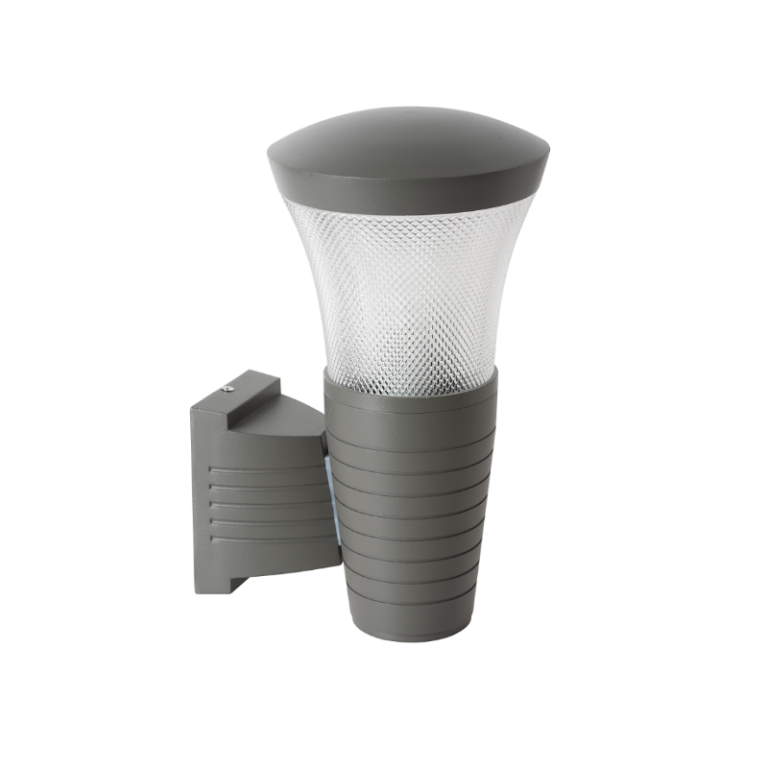
The core problem: dimming fixtures and sudden failures
Street-level and façade lighting can look simple — a neat outdoor wall lamp mounted like a jewel on a building — but behind that calm face are two stubborn electrical problems: voltage drop along long runs and transient surges that kill LED drivers. When a commercial IP65 fixture starts to glow weakly at dusk or fails after a summer storm, the culprit is often not the glass or gasket but the wiring, driver tolerance, and inadequate surge protection. The IP65 mark (per IEC 60529) promises dust-tight and jet-proof ingress protection — but it doesn’t excuse poor electrical design.
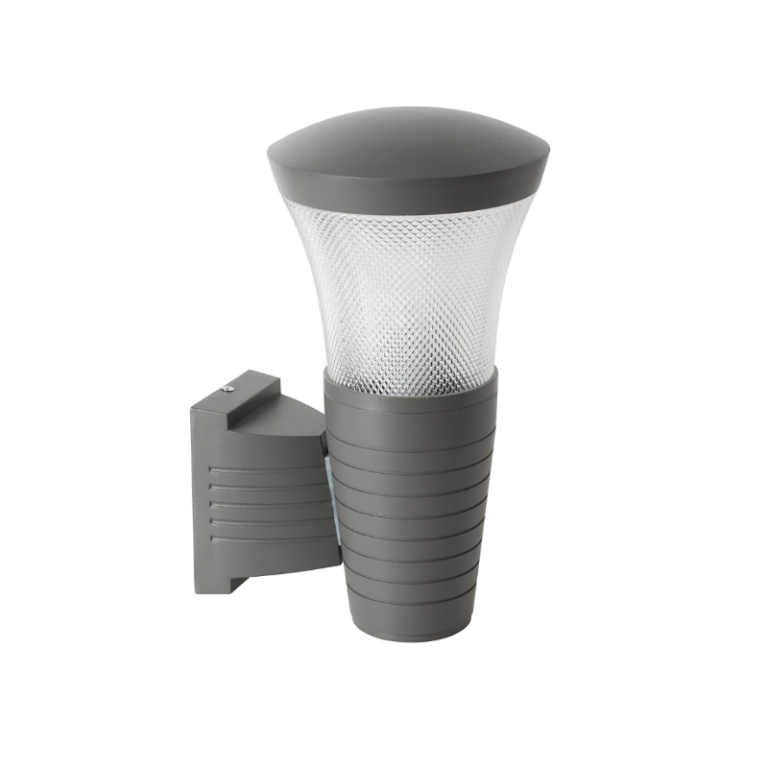
Where systems typically go wrong
Common failure modes read like a kitchen of missteps: undersized cable that saps voltage, poor connector crimps that heat and fail, and no coordinated surge protection so every lightning-induced transient is a sharp, salty shock to the LED driver. LED drivers have limited input tolerance and inrush current characteristics; they don’t like sustained undervoltage or repeated high-energy spikes. In coastal or high-humidity sites, seals and gaskets can stiffen or shrink over time, letting corrosion nibble at contacts — very frustrating when the visual finish still looks intact.
How to calculate voltage drop and set margins
Voltage drop is simple physics: Vdrop = I × R (current times conductor resistance). Practically, measure the expected load (total driver input current) and the one-way cable length to the farthest fixture, then choose conductor gauge so Vdrop stays within acceptable limits. For commercial lighting, aim for under 3% drop at full load on the longest run; 5% is a soft maximum for non-critical circuits. Check the LED driver spec for allowable input range — many drivers tolerate +/-10% but perform best near nominal supply. If runs are long, consider local branch power, step-up at the source, or remote constant-voltage solutions to preserve lumen output and color consistency.
Surge protection: limits, types, and placement
Surge Protective Devices (SPDs) are rated in kA and by category: Type 1/2 for main distribution and Type 3 near the load. For commercial outdoor installs you want coordinated protection: a mains-level SPD (Type 2) backed by point-of-use protection before the LED driver. Choose devices with an appropriate nominal discharge current (In) and a low clamping voltage to keep the driver safe. Modern LED drivers often survive small transients but not repeated high-energy strikes; the right SPD selection reduces cumulative stress and extends life. For high-risk rooftops or coastal hotels, spec SPDs with higher kA ratings and follow local code for lightning protection zones — and yes, check compatibility with the driver’s inrush and leakage characteristics.
Installation checklist — practical items installers miss
– Verify conductor sizing for the worst-case run. – Use torque-rated lugs and inspect crimps visually. – Place SPDs at the distribution board and add a secondary SPD near long feeder runs. – Grounding and bonding: ensure metal housings, conduit, and fixture earths share a single, low-impedance path. – Protect drivers from thermal overload — mounting inside poorly ventilated enclosures is a recipe for early failure. Don’t skimp on gasket inspection — tiny pinholes are like a sieve for corrosion, and a salty breeze will find them.
Real-world anchor: a coastal retrofit that proved the point
In a recent retrofit of an oceanfront hotel in the Pacific Northwest, maintenance logs showed a pattern: fixtures nearest the roofline failed first, often after storms. Technicians replaced glass and drivers in rotation, but the failures returned. A targeted redesign trimmed long daisy-chain runs, upgraded cable from 18 AWG to 12 AWG on critical circuits, and added coordinated Type 2 SPDs at the distribution board. Result: lamp failures dropped by more than half in the first year and luminous consistency improved across façades. The lesson was clear: sealing the enclosure (IP65) is necessary but not sufficient without proper power design and surge coordination.
Common alternatives and when to choose them
Sometimes the solution is a design change rather than heavier cable. Options include using higher-voltage constant-current drivers closer to the source, switching to remote constant-voltage rails with local point drivers, or specifying fixtures with integrated surge-hardened drivers. For installations with frequent lightning exposure, consider modular fixtures that allow quick driver swaps or designs that locate the driver indoors. If you’re spec’ing a full replacement, evaluate modern outdoor wall lamps with tested driver-SPD pairings to simplify commissioning and maintenance.
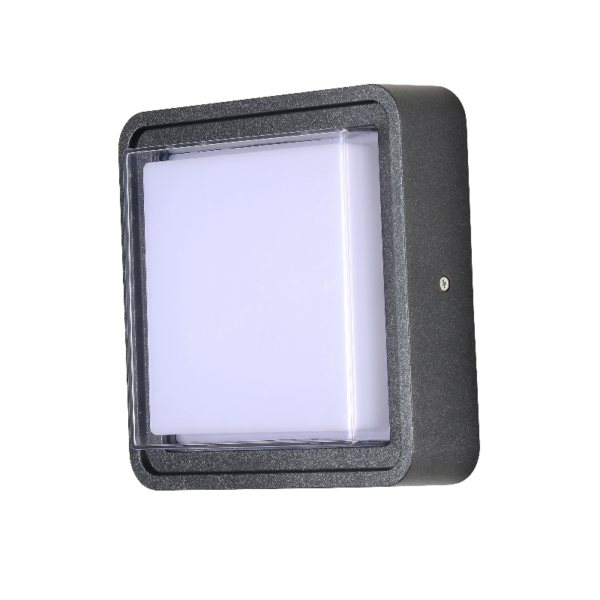
Three golden rules for specifying commercial IP65 wall lighting
1) Prioritize electrical margins: design so the longest-run voltage drop is ≤3% at full load and match drivers to the available input tolerance. 2) Coordinate surge protection: use a staged SPD strategy (distribution + point-of-use) with ratings appropriate to lightning and grid conditions; document clamping voltages and nominal discharge current. 3) Design for maintenance: choose fixtures and layouts that allow easy driver access, use corrosion-resistant terminations, and require minimal special tools — that preserves uptime and reduces service cost. When those rules matter to your façade or campus lighting, Keyida offers tested, spec-ready options that pair IP65 housings with properly rated drivers and protection — practical solutions, not excuses. —