

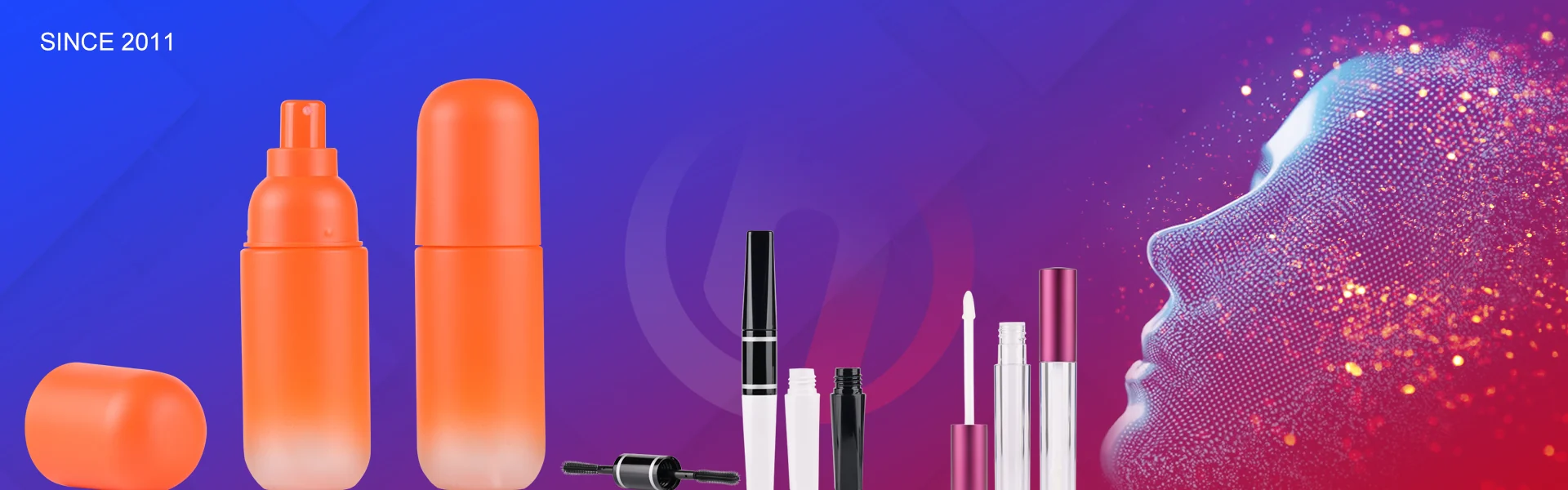
Why Choosing the Right Tube Changes the Game
Let’s be straight: shoppers judge fast. The clear lip gloss tube sits at the center of that split-second choice, right beside the shade and the brand name. Picture a merchandiser in Makati, restocking a crowded shelf while a customer scans for sparkle in under ten seconds—data shows most beauty picks happen that quick, and packaging gets a big share of the credit (or blame). If so, why do many tubes still haze, leak, or feel flimsy? And what happens when gloss with a higher viscosity ends up in a cap with weak sealing—ay, hassle.
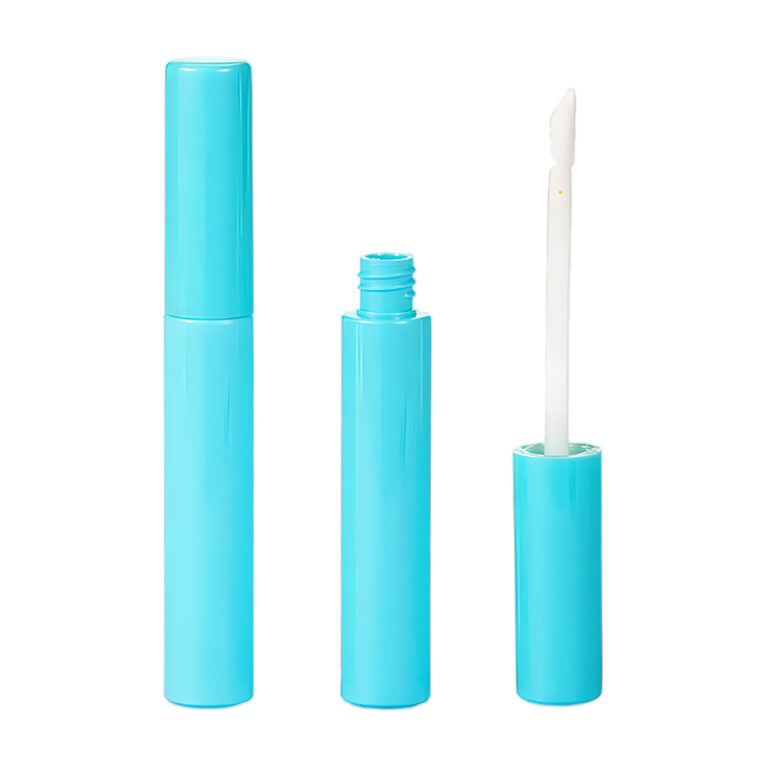
Here’s the rub: you’re balancing clarity for color accuracy, a smooth glide from the applicator wand, and an airtight seal that won’t fail in transit. Even small misses in torque, fit, or liner quality add up to returns and bad reviews. The question is simple: which tube lets color shine and keeps the user experience clean and easy? Sige, we’ll compare the hidden trade-offs and the smarter options. Next up, we unpack the deeper pain points that don’t show in a product photo—but show up in use.
Under the Surface: Hidden Pain Points You Can Actually Fix
What’s the real snag?
Let’s talk about what users won’t say but always feel. With clear lip gloss tubes, clarity alone isn’t the win. What matters is how resin grade, wall thickness, and cap fit handle real-life wear. Micro-scratches fog the body after weeks in a bag. Injection molding tolerances shift, and tiny warps lead to air ingress. Then viscosity drift across batches pushes product past weak wipers, smearing the neck. Look, it’s simpler than you think: poor fit equals mess. Batch code traceability helps, but if the seal design is off, QA sampling won’t save the day—funny how that works, right?

Users also struggle with dose control. Too-stiff wipers tug; too-soft ones flood the applicator. That means either streaky payoff or over-application. The blame falls on the formula, but it’s often the tube. An improved wiper geometry, paired with a balanced applicator wand, solves more than you expect. Add a better barrier layer or a switch to low-haze PETG or PCR resin that still resists stress cracking, and the tube stays clear longer. The bottom line: seal integrity, clean swipe, and scratch resistance beat “glass-like” looks that fade after week two.
What’s Next: Smarter Builds and Practical Comparisons
Now, look forward a bit. New tube platforms use modular necks, tuned wiper durometers, and cap liners that keep torque stable through heat cycles—hello consistent lock and fewer leaks. A simple principle guides it: separate the sealing job from the showpiece body. That means a rugged inner thread and liner stack for performance, plus a crystal-clear barrel for display. Compared with old, one-piece caps, this reduces creep and keeps the airtight seal reliable even after repeat opens. If you’re sourcing across regions, pairing a modular core with local finishing helps you hit timelines while keeping tolerance stacks tight. You’ll see this in many suppliers of clear lip gloss tube china lines, where standardized components meet custom tips and labels—neat, and cost-aware.
Here’s the quick synthesis without rehashing: clarity must last, dose must stay clean, and seals must hold under motion. So, evaluate by outcome, not by sample shine. Advisory close, para sure: use three metrics when choosing. One, retention and leak score after thermal cycling and drop tests. Two, dose consistency across five fills, checked with a 10-swipe applicator assay. Three, clarity retention after abrasion and solvent-wipe, plus UV shelf simulation. If a tube clears these, your formula reads true, payoffs stay smooth, and logistics calm down—less rework, fewer returns. When you need deeper specs or a baseline to benchmark against, you can always cross-check with seasoned makers like NAVI Packaging.