

Backstage at Show Time: A Small Drama with Big Clues
You know the moment. The curtain is late, the stage manager taps a foot, and the crowd buzzes. The laser lights were ready to go, bright and calm, like a quiet promise. I watched the crew hustle, counted the resets, and checked the cues; logs showed 18% of transitions ran off by more than five seconds. In a venue that lives by seconds, that is a canyon. So I looked at the racks, the cables, and the laser light equipment cases, and I asked a simple thing: where is the real friction hiding?
Here’s the twist—many teams do everything “right,” yet waste a dozen minutes per changeover. Multiply that by a festival day and you lose a full set. (Mamma mia, the cost of beautiful chaos.) Is the problem skill, or the system? Or both? And what would happen if the fixtures were smarter than the rigging plan? Let’s pull the thread—gently—and see what unravels.
The Quiet Flaws in the Old Playbook
Where do legacy rigs fail?
Technical truth first. Older rigs lean on workflows built for mechanical wash and spot fixtures, not for coherent beams. So we still see manual calibration, long addressing chains, and guesswork in the console. That leaves laser light equipment stranded between “special effect” and “core lighting.” Look, it’s simpler than you think: when beam divergence, galvanometer tuning, and thermal management are treated as afterthoughts, the show pays for it later. Signals hop through the DMX protocol, then into ILDA, then into firmware layers that don’t always agree. — funny how that works, right?
These frictions hide in plain sight. Power converters hum on uneven mains. Safety interlocks get taped during rush hour (never a good sign). Outdoor gigs push non–IP65 enclosures into damp nights, and scanning artifacts pop under smoke at high duty cycle. Add last-minute media cues, and your operator rides the fader like a violinist. The audience sees magic; the crew sees latency, color drift in an RGB module, and alignment that migrates during heat soak. Traditional fixes—more time, more hands, more notes—don’t scale. They create fragile success, not reliable performance. And that is the real tax on your nights.
From Patchwork to Principles: What’s Next for Smarter Beams
Real-world Impact
Now the good part. The next wave doesn’t just add features; it changes the physics of your workflow. Modern systems pair tighter optics with onboard compute—small edge computing nodes that run beam attenuation maps in real time. They auto-profile mirrors, correct scan angles, and watch temperature to prevent drift. In practice, this shortens setup, makes repeatability normal, and keeps the picture crisp even under haze. When lasers lighting runs through hybrid control—DMX for cues, Art-Net or ILDA for vector precision—you get clean motion, fewer artifacts, and predictable results. It feels serene. It looks bold.
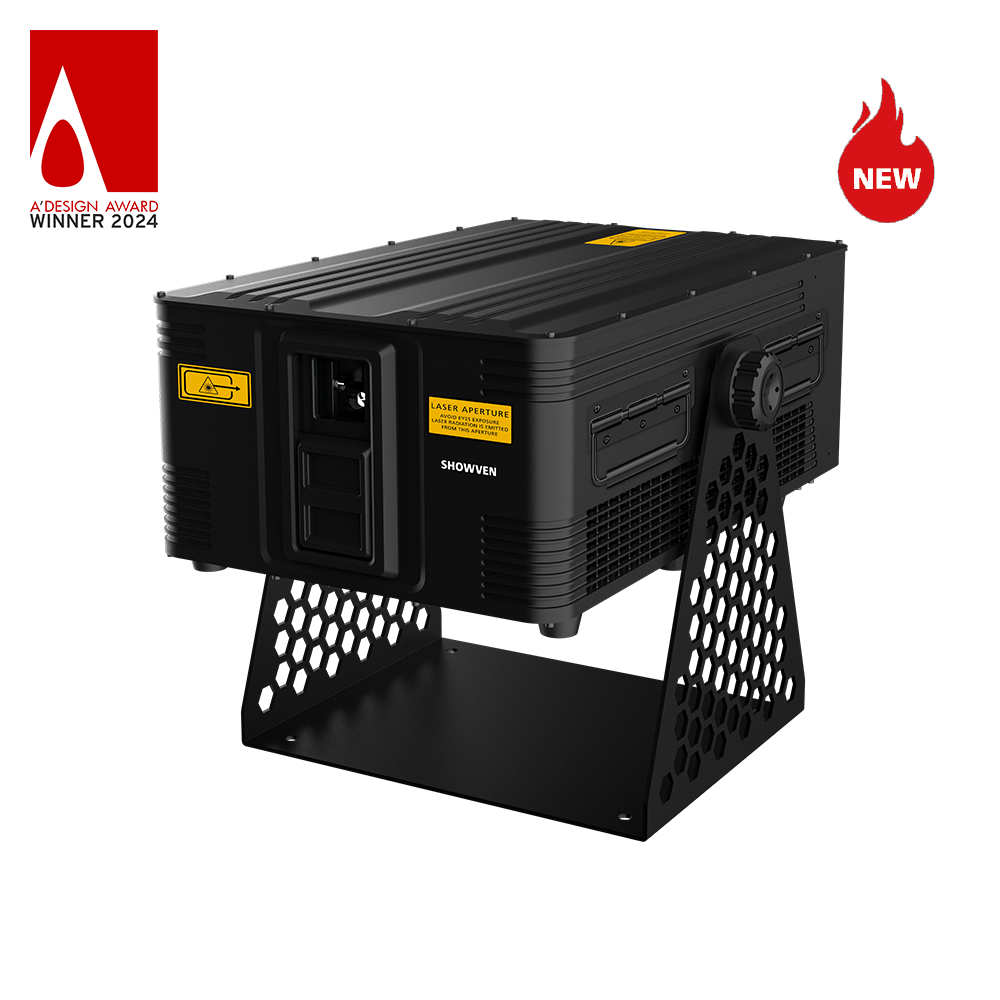
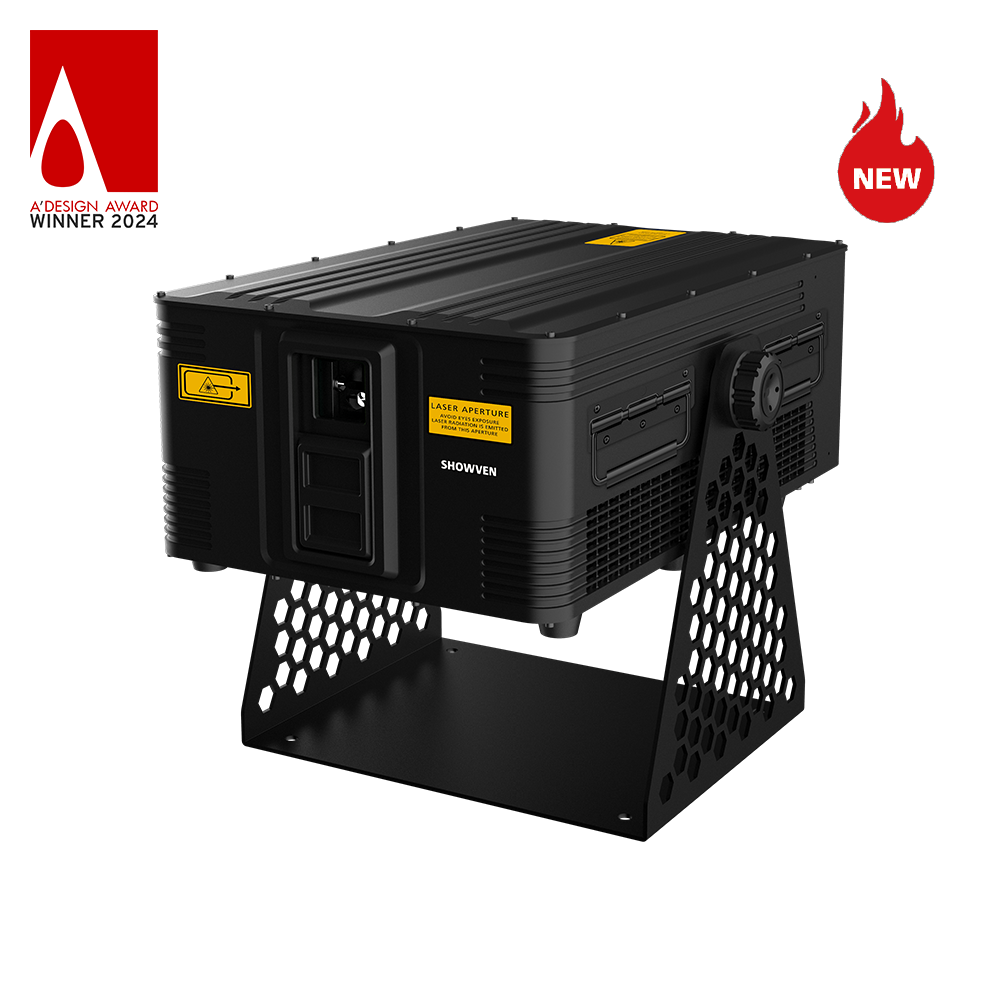
Forward-looking design leans on sealed, IP65 enclosures, efficient laser diodes, and smarter power supply units that report status upstream. Thermal paths stay stable, galvanometers track without wobble, and firmware updates bring new safety macros instead of new headaches. That is the comparative leap: less manual correction, more verified output. So how should you choose? Advisory close, three checks. One: calibration intelligence—automatic alignment, error logging, and recovery. Two: control stack openness—native ILDA, clean DMX timing, and Art-Net support without spaghetti. Three: resilience—IP rating, thermal headroom, and component life under real show loads. Do these, and your crew gets time back, your cues land, and your eyes rest. That’s the measure that matters—people work better when the rig respects them. For a grounded path into this future, keep an eye on thoughtful builders like Showven Laser.