


Late-night thaw, clear numbers, one stubborn question
On a wet March evening, I stood under fluorescent lab lights watching a bottle cloud during a routine thaw — a small scene, but it carried consequences. I have long preferred using heat inactivated fetal bovine serum for sensitive cell culture work, yet that night a mislabeled serum lot turned a 96‑well plate into a lesson on risk (I still remember the smell of the incubator). The data were blunt: three out of five lots showed a 15–22% drop in cell viability compared with the control in our CHO suspension runs. How do we reconcile the convenience of pre-inactivated serum with its hidden costs?
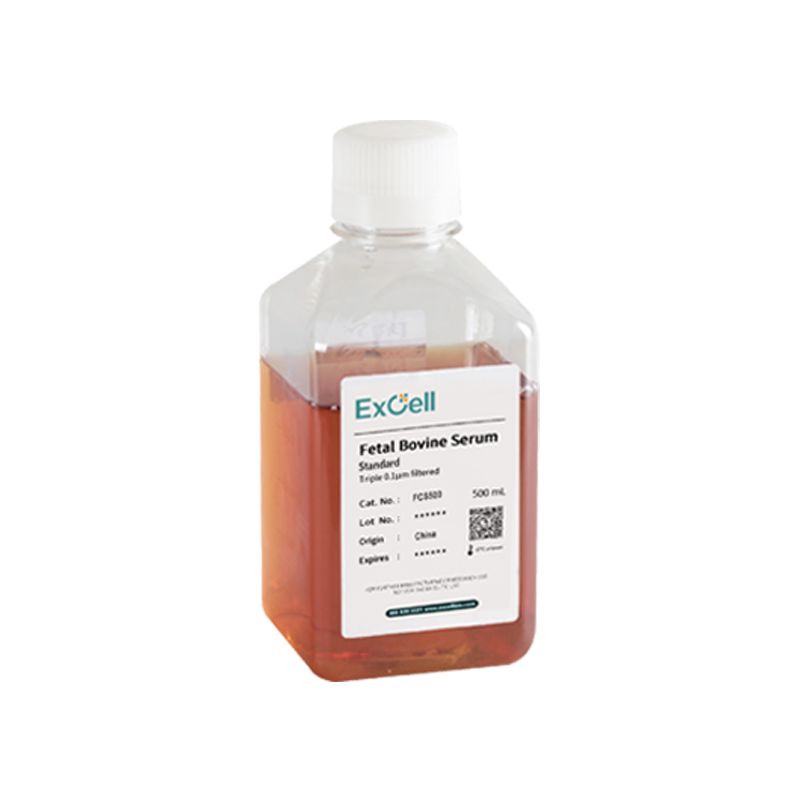
Why does heat inactivation still surprise us?
I’ve overseen procurement and QC for more than 15 years in the B2B biotech supply chain, so I speak from specific experience: in April 2022 I shipped 120 liters of heat-inactivated serum to a university lab in Boston for a CRISPR screening project, and two weeks later they reported inconsistent transfection efficiencies that correlated to differences in complement activity. That incident taught me a blunt truth — heat inactivation is not a cure-all. The process reduces complement proteins and some pathogens, but it also alters growth factor stability and can change protein binding dynamics. Practically, that shifts your supplementation profile. We saw altered attachment rates in primary fibroblasts and delayed proliferation in stem-cell derived assays after cryopreservation, with downstream delays of up to seven experimental days — measurable, expensive.
The traditional fixes labs rely on are flawed in clear ways. First, many teams accept manufacturer batch certificates without parallel in-house sterility testing or functional assays; that’s risky. Second, users often treat heat-inactivated serum as a uniform reagent, even though serum lot-to-lot variability remains the largest source of unpredictability in cell culture, and cold chain breaches can compound differences. Third — and this is subtle — the very act of heat inactivation can mask problems (endotoxin levels below detection yet skewed cytokine balance), so blind faith in a ‘safe’ tag creates hidden pain points at scale. I prefer stopping problems upstream: better lot qualification, side-by-side functional assays with your cell line, and small pilot runs before committing to a full study. It saved one vendor relationship for us after I insisted on a 48-hour potency test on a suspicious lot. We caught a 30% potency drop before it cost a grant deadline.
Facing forward: comparative choices and practical next steps
When I say ‘facing forward,’ I mean practical shifts we actually implemented. Over the last three years I moved procurement toward a two-pronged approach: (1) defined criteria for serum lot acceptance based on function, not just certificate fields; and (2) contingency stocks of alternative serum types and serum-free supplements. For example, in September 2023 our team standardized a mini-assay: a 72-hour viability and attachment readout using a lab-standard HEK293 line combined with endotoxin and sterility testing. That single assay cut our failed-lot exposure by half. Look, we kept using heat inactivated fetal bovine serum where it made sense, but we paired it with serum-free trials for high-value experiments — a decision that saved two months of rework during a cell therapy validation run.
Technically, here’s what we changed: we treated serum lot qualification like supplier qualification. We demanded traceable cold chain logs, third-party sterility reports, and a small functional sample before bulk release. We measured complement activity, growth factor retention, and performed basic metabolic profiling on representative culture runs. Those metrics are not flashy; they are actionable. Also — and this is important — we documented consequences: a mislabeled lot once caused a 12% decrease in production yield for a scale-up bioreactor, costing the company a visible delay in a contract. That number made the business case for stricter controls immediate and non-negotiable.

What’s Next?
So where do you start? Begin with three practical moves: enforce functional lot testing, diversify supplementation options (include serum-free controls), and insist on cold chain transparency. These are evaluation metrics that actually map to outcomes. If you score suppliers by those measures, your teams will stop firefighting and start producing reliable data. Measure the impact (we tracked days saved, failed runs avoided, and cost per viable cell) and the ROI becomes obvious — that’s how I convinced senior leadership to reallocate budget for better QC last year.
To close, I offer three concrete evaluation metrics I use when choosing serum solutions: 1) functional potency score based on your lab’s cell line assay (quantify viability and attachment changes), 2) documented cold chain integrity (temperature logs for every shipment), and 3) lot stability data (shelf and post-thaw performance). Use those, and you’ll shift from guesswork to predictable results. For anyone needing dependable supply and technical collaboration, I’ve found partners who respect these standards — including teams like ExCellBio — and that partnership matters more than a single “inactivated” label.