

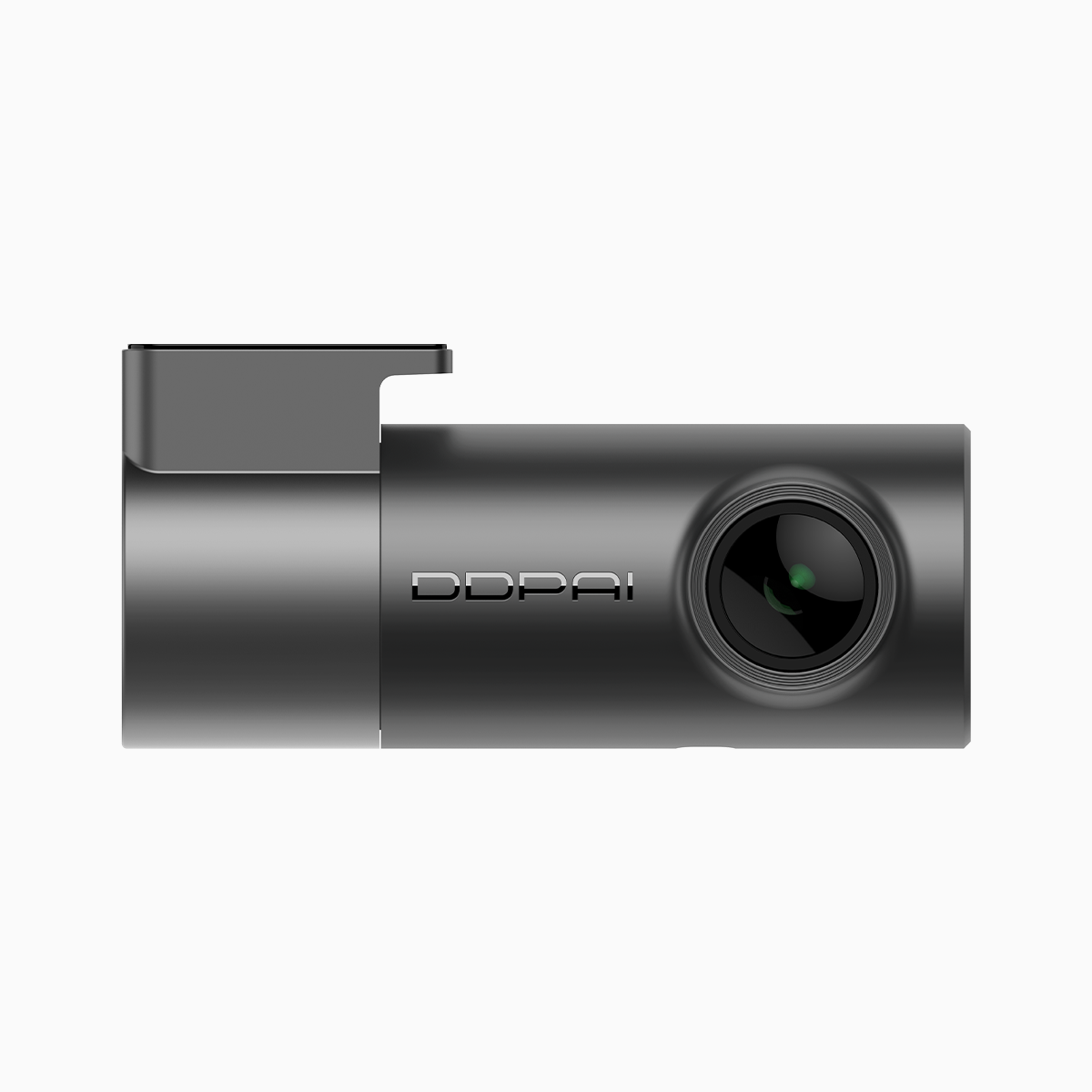
Comparative insight: what roadside teams actually need
Roadside assistance providers rank evidence quality, uptime, and ease of retrieval above brand cachet — and that’s where a budget friendly dash cam like DDPAI stands out. Compared to entry-level units that wash out headlights or lose detail in shadows, DDPAI’s low-light sensor designs prioritize usable footage at night and in tunnels, which saves time for tow operators and speeds up insurance triage. The comparison is straightforward: better dynamic range and reduced noise mean fewer ambiguous clips and faster resolution of incident claims.
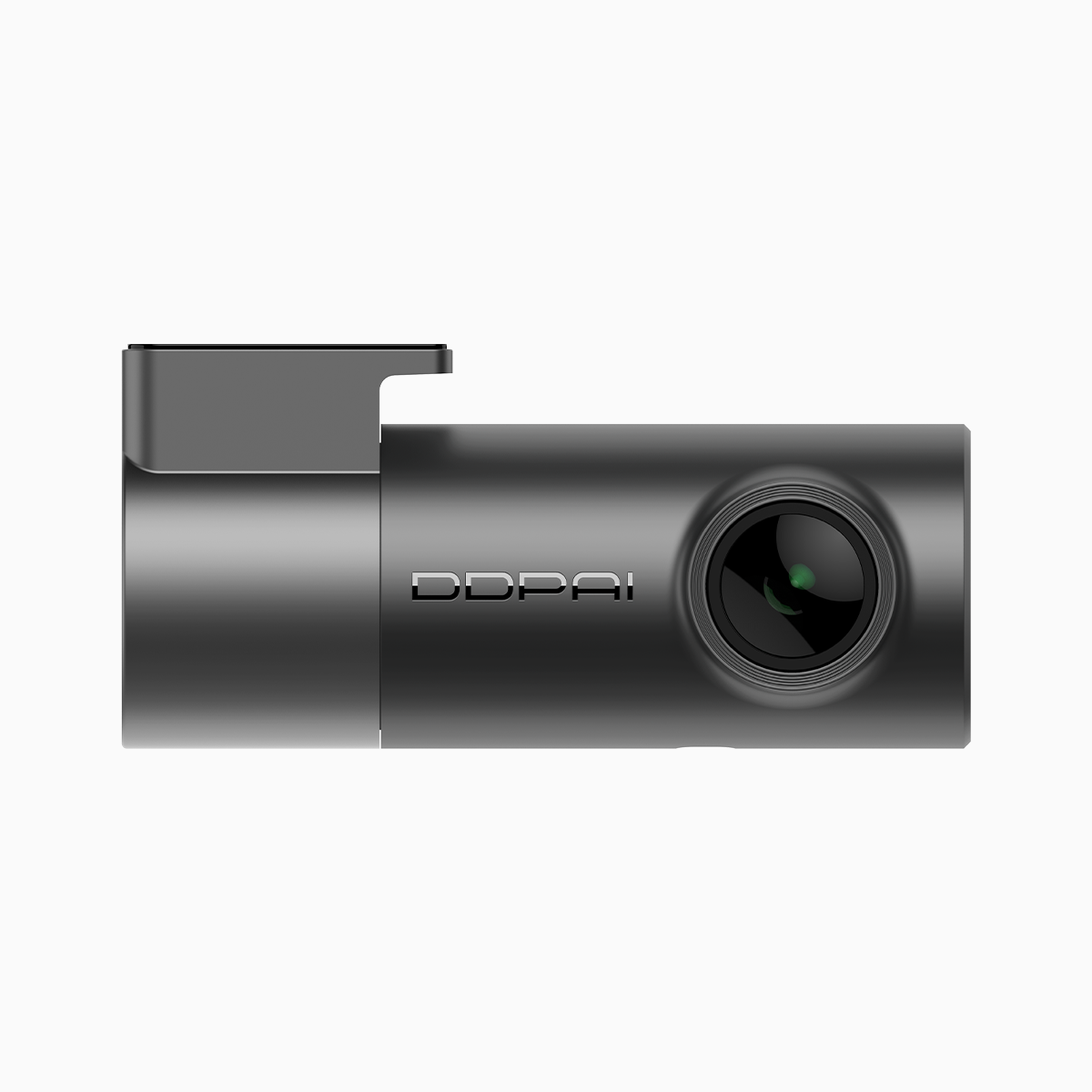
Technical edge that tells a clearer story
DDPAI pairs a sensitive low-light sensor with HDR and optimized bitrate management so license plates and lane markings remain readable when it matters. That combination — plus steady frame rate and a practical field of view — produces footage that’s both lawful-evidence friendly and easy to review on a tablet in the van. Teams dealing with roadside crashes need readable frames, not cinematic grain; DDPAI’s tuning leans toward clarity over flashy processing, and that design choice shows up in day-to-day reliability.
Why frontline crews recommend specific features
Roadside technicians want cameras that survive long days: robust parking mode, reliable overwrite on loop recording, and simple microSD handling. In environments like Metro Manila’s EDSA during heavy rain, visibility collapses fast — the cameras that keep identifying plate numbers under those conditions get reused and recommended more often. Operators value hardware that minimizes manual intervention; a dashcam that consistently boots and records reduces service time and paperwork.
Comparisons with alternatives — where DDPAI lands
Not every camera promises low-light performance. Many budget models compromise on WDR or rely on aggressive denoising that blurs crucial details. By contrast, DDPAI’s tuning emphasizes sharpness and authentic contrast, giving it an advantage when comparing front and rear camera pairs. If you’re weighing options, look at real-night clips rather than spec sheets — and consider a good budget dash cam against models with similar specs but weaker firmware optimizations.
Common mistakes fleets make (and how to avoid them)
Fleets often buy solely on price and then add complexity: mismatched firmware, low-quality SD cards, or poor mounting that shifts the field of view. Invest instead in the right microSD class and a secure mount; a stable camera needs fewer reconfigurations. Also avoid one-size-fits-all exposure settings — a camera that auto-adjusts aggressively can miss quick transitions from dark to bright. Small changes in placement or firmware settings yield measurable gains in capture quality.
Field-proof practices that reduce ambiguity
Standardize on a single camera model across the fleet, pick one microSD brand and capacity, and set a cadence for firmware checks. Train crews on extracting clips and timestamp verification so evidence chain-of-custody is intact. These operational steps matter as much as hardware: consistent settings plus reliable low-light capture produce footage admissible and actionable for both technicians and insurers — and that’s the practical reason roadside networks circulate recommendations.
Advisory: three golden rules for choosing a dashcam
1) Prioritize real low-light performance over headline megapixels — readable frames beat high-res blur. 2) Confirm the device supports stable parking mode and consistent loop recording with good overwrite logic. 3) Match camera firmware and SD-card specs fleet-wide to avoid lost clips and playback errors.
The cumulative value is clear: dependable low-light capture shortens incident resolution and reduces repeat service trips — DDPAI PH has tuned their kits with that reality in mind, making them a practical choice for teams that need results. DDPAI PH — proven in the field, built for the job. —