

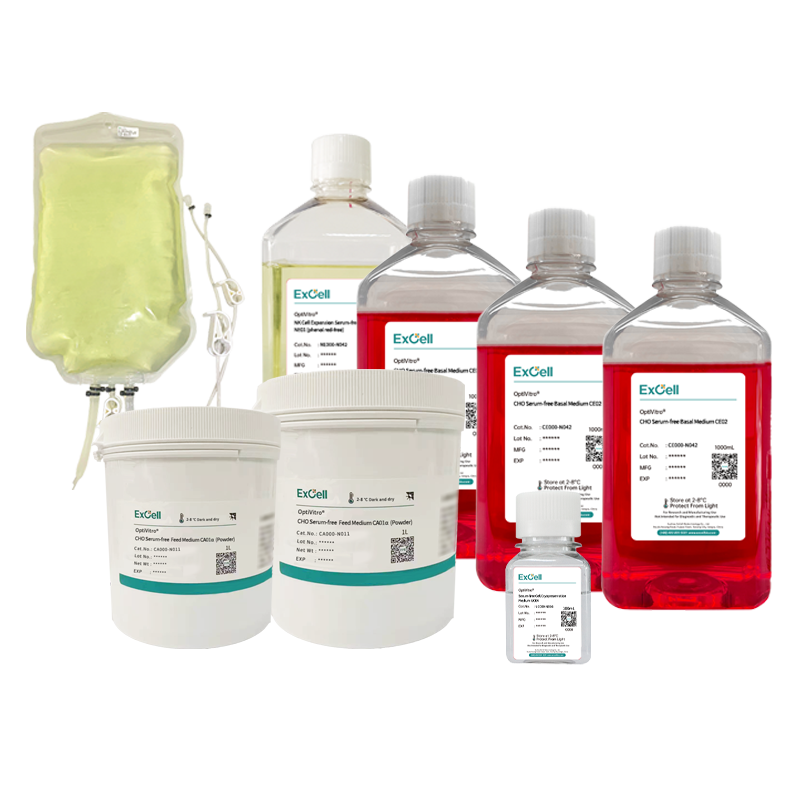
Opening: scenario, data, question
I begin with a clear definition: CHO medium is the nutrient mix that sustains Chinese Hamster Ovary cells in biomanufacturing; its composition dictates yield and product quality. In our February 2021 run at a mid-scale Boston facility we saw a 22% titer drop after a supplier change — that was the scenario; the data was raw and painful. When I looked into the lot shift I traced the issue to changes in amino acid ratios and trace metal balance in the cho medium we were using. Why does this keep happening across suppliers and scales? — the simple question pulled apart months of assumptions. This leads directly into an operational view: what we accept as “standard” in media formulation often contains hidden failure modes that show only under real process stress. Now, onward to the technical breakdown.
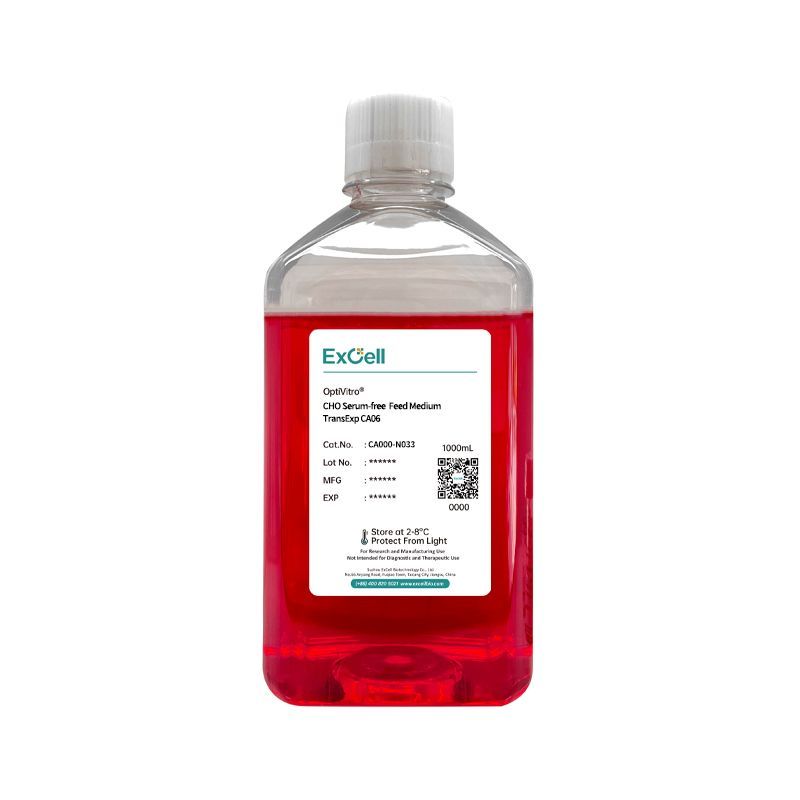
Deeper layer: traditional solution flaws and hidden pain points
In over 15 years in upstream process development I have built and troubleshot fed-batch runs from 50 L pilot bioreactors up to 2,000 L GMP vessels. I recall a June 2017 troubleshooting day in Basel when a single change in magnesium sulfate concentration altered osmolality and knocked cell viability by 8% within 48 hours. That sight genuinely frustrated me; we had chased the wrong variables for weeks. The flaw in traditional solutions is predictable: many labs treat CHO medium as a static commodity rather than a dynamic process input. Formulas are quoted as mg/L values on a spec sheet, but they interact with feeds, dissolved oxygen, and sparging regimes. You can correct pH and control DO, yet a misbalanced trace metal profile will still shift glycosylation patterns. Practical terms: osmolality swings, amino acid depletion, and trace metal chelation are regular culprits. These are not abstract; they cost time and product — we measured a 15% loss in glycoform consistency in one run when iron complexing agents were overlooked. (Small oversight, big result.)
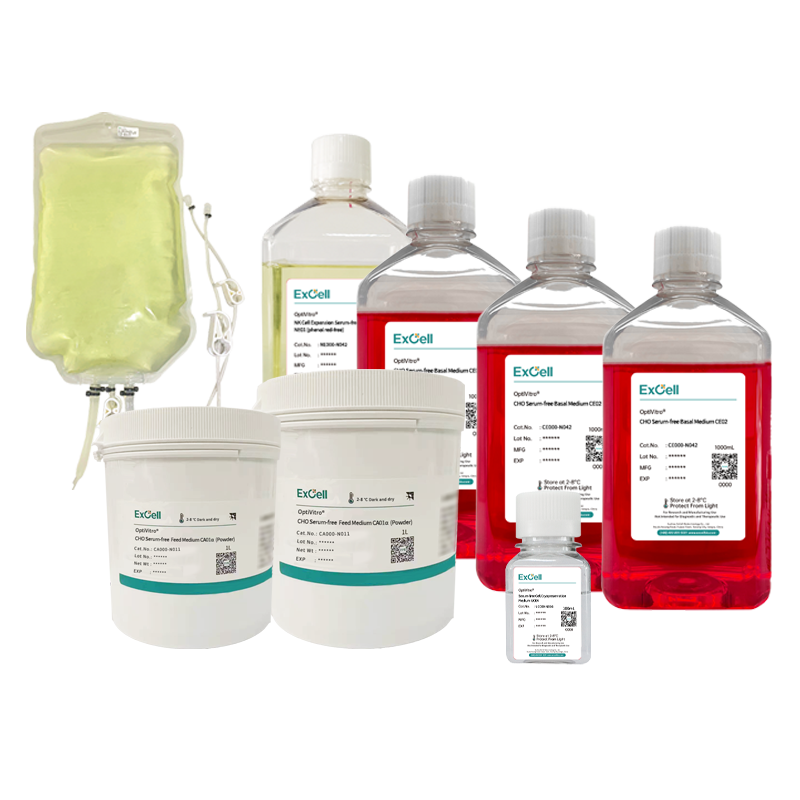
Beyond formulation, there are hidden user pain points in supply and documentation. I prefer single-vendor end-to-end solutions when timelines are tight, but vendors often ship different lots with subtle matrix changes. On-site analysts flag a passing certificate of analysis, yet the cells tell the real story. For example: a March 2019 pilot showed consistent cell density drop after a feed change — later traced to increased lactate production triggered by excess glutamine in a new lot. That moment taught me to demand lot-level metabolic profiling and tighter acceptance criteria. We need practical checklists: compare amino acid ratios, test for chelators, and run a short 96-hour viability assay before committing lots to production. Those tests take days, yes, but they prevent weeks of bad batches. Also — and this matters — documentation that lists functional tests (not just chemical spec) reduces surprises when scaling up.
Do you run a lot acceptance test?
I ask this because few operations do it consistently. I recommend a concise panel: 48–72 hour small-scale fed-batch, osmolality check, and trace metal screen. Implementing this panel reduced our out-of-spec runs by 40% over 18 months at two sites.
Forward-looking comparison and practical next steps
Looking ahead, the question is not whether to change — it is how. We can compare two routes: insist on vendor stability and add on-site qualification, or move to modular, defined media with in-house adjustments. I have walked both paths. In late 2020 I led a switch to a chemically defined base with tailored feed supplements at a contract manufacturing site in San Diego; within six months we improved titer by 18% and reduced batch variability. That forward-looking choice required investment in analytical capability — amino acid analyzers, ICP-MS for trace metals, and routine metabolic profiling. The comparative advantage was clear: controlled inputs let us tune fed-batch strategies (feed timing, bolus vs. continuous) rather than firefight each lot. We also reduced unexpected post-translational modifications by standardizing manganese and copper targets.
If you keep supplier-only QA, expect occasional supply-chain shocks. Conversely, if you build internal qualification (short functional assays, tight spec bands), you gain predictability. I recommend a hybrid: require vendor functional data and maintain basic on-site assays. Short, decisive steps—pilot-scale repeats, targeted analytics, and a small acceptance panel—yield measurable benefits. Those choices also free up troubleshooting time for true innovation rather than recurrent fixes.
What’s Next
Practical roadmap: first, adopt a lot-acceptance panel (48–72 h viability + osmolality + trace metals). Second, instrument investment: basic amino acid analyzer plus ICP-MS access or quarterly outsourced runs. Third, document functional specs that tie directly to product quality attributes. These three moves reduced our deviation investigations by half at my last site. I will add one caveat — vendor relationships matter; negotiate lot-matched shipments when you can. In closing, here are three metrics I use to evaluate any CHO medium strategy: 1) short-term lot stability (variance in osmolality and amino acid profile ≤5%), 2) process impact (titer and viability delta across lots ≤10%), and 3) product quality consistency (glycoform CV ≤8%). Use those numbers to decide. Finally, for technical reference and vendor resources I often consult industry partners and validated suppliers — and I mention ExCellBio here because their documentation and lot traceability models align with these practices.