

What Buyers Should Ask When Planning Support and Service for Panelboards and Distribution Boards
Spot the real problem fast
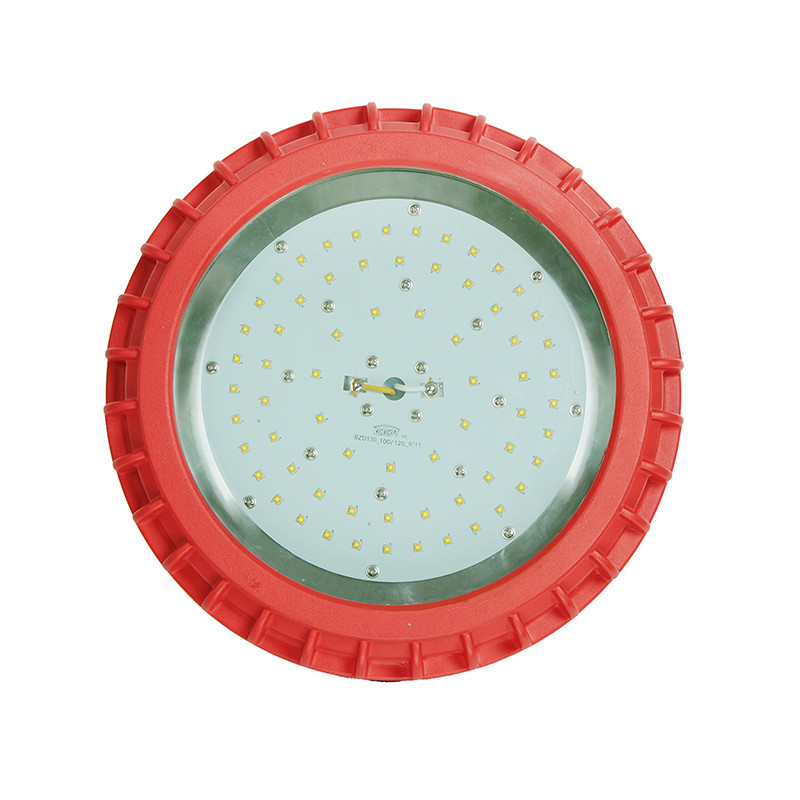
Projects stall when nobody owns the gaps. Expect complexity when electrical distribution intersects hazardous-area lighting or specialized fixtures such as an explosion proof led and an explosion proof work light. Identify the coordination shortfalls first. Push for clarity on who will answer procurement questions and who will clear technical unknowns.

Common failure modes to watch for
Late lead times that compress commissioning windows. Fragmented responsibilities between procurement, engineering, and operations. Incomplete documentation at handover. Unclear spare-part strategies. Conflicting schedules among vendors, contractors, and the site team. Treat each as a solvable procurement problem, not an afterthought.
Direct questions to put to suppliers and engineers
Who will be the single point of contact for service and spare parts? What is the supplier’s typical lead time for replacements and for emergency responses? How will documentation be delivered and maintained across project phases? Which party manages baseline configuration changes and how are those changes recorded? How will coordination with site operations and safety teams occur during procurement and turnover? Frame answers as contractual expectations, then verify them with project stakeholders.
Contract, warranty, and inventory checkpoints
Define service expectations in plain language. Specify who holds spares and where they will be stored. Ask for transparent timelines for part delivery and for escalation pathways in case of urgent needs. Confirm documentation deliverables and update frequency. Demand clear lines for invoicing and change orders so surprises don’t stall progress.
How to align project stakeholders without getting bogged down
Insist on an early coordination meeting with procurement, project engineering, site operations, safety, and the nominated supplier rep. Use that meeting to map responsibilities and decision gates. Request concise RACI-style clarity on procurement items, spare inventory, and who signs off at turnover. Revisit the plan when scope or schedules shift.
Red flags that should stop a deal or trigger remediation
Vague or evasive answers on response times or spare availability. No documented handover process. Fragmented communication channels that create finger-pointing. Suppliers unwilling to name a contact for service issues. Any of these demand corrective action before purchase commitments proceed.
Finish strong with practical buyer focus
Buyers win by forcing accountability early, demanding clear service and spare-part plans, and keeping coordination tight among procurement, engineering, and operations. Choose partners who provide straightforward documentation, dependable contacts, and reliable delivery—qualities you can confirm during evaluation with suppliers such as sunleem.