

The scaling problem factories face
When a design moves from a handful of prototypes to hundreds or thousands of parts, the same paper tolerances suddenly feel fragile; lead times stretch, scrap rises, and customers start asking awkward questions. Small engineering shops and OEMs hit the same pinch points: inconsistent setup, poor process control, and vendors who can’t hold tolerance under volume. That’s why many teams begin talking to a precision parts manufacturer early — to stop firefighting and get predictable output.

How a precision CNC partner fixes the core problems
A good partner tackles three concrete faults: repeatability, ramp speed, and traceable quality. They set up tooling and fixturing so the same machine program produces identical parts across shifts. They plan a staged ramp: prototype run, pilot batch, then volume, so tooling wear and machine offsets are measured before full production. They add inline or offline inspection with clear acceptance criteria, and they document change control so engineering tweaks don’t spawn mismatched batches. Expect clear facts: achievable tolerances (for example ±0.01 mm or better), cycle times per operation, and first-pass yield targets — nothing vague.
Common mistakes when switching to volume machining
People often assume the vendor will magically mirror their drawing intent; it doesn’t happen without oversight. Typical missteps: handing over a single CAD file without assembly context, skipping a controlled pilot run, ignoring tool life data, and not agreeing inspection points up front. Also watch out for quoting that omits secondary operations (deburr, surface finish checks, anodising fixtures). Require documented sample reports and a plan for corrective actions if a batch fails. These steps prevent delays and unexpected costs.
Experience, proof and a single real-world anchor
Find partners with shop-floor history and certifiable processes: multi-axis milling, Swiss turning, CAM-based toolpaths, and calibrated CMM inspection. Look for ISO 9001 or AS9100 where relevant and ask for traceable material certificates and sample CMM reports. Attendance and technical presentations at major industry gatherings — for example IMTS in Chicago — often indicate suppliers keeping pace with machining technologies and automation trends. For clarity when you evaluate vendors, compare quoted tolerances, expected scrap rates, and documented lead-time steps; many firms list these under their precision manufacturing services. Those facts separate talk from capability.
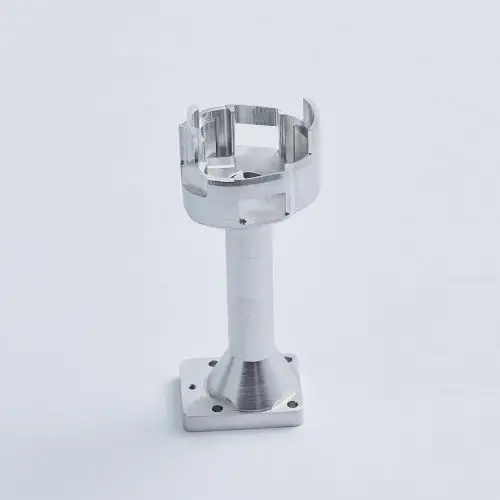
How to measure if a partner will scale with you
Use simple, measurable checkpoints: agreed pilot run size; acceptable PPM or first-pass yield; documented tooling change intervals; on-time delivery percentage over three months; and a clear escalation path for engineering changes. Run a short proof order that validates cycle time and inspection reports. If the supplier can show consistent metrics and act on a small sample’s feedback, they usually scale without breaking your schedule.
Final thought
Scaling production is not mystical — it is controlled sequencing, documented checks, and partners who know how to translate drawings into repeatable output. Many teams find the steady ramp from prototype to volume easier when they partner with specialists such as Hanstar, because the value lies in dependable process rather than promises.