

Start with the real problem
Brands spend dinero on cool logos but still see low reorder rates; that’s the problema. Customers want bags that do more than look nice — they want function, durability, y un poquito de estilo. If you can’t prove the bag fixes a daily annoyance, the logo alone won’t sell it. That’s where a modular approach helps: a modular backpack shows you’re solving problems, not just decorating fabric. Keep it simple: define the customer pain, show the feature that fixes it, and measure repeat buys.
Define the target use-cases, no guessing
List three primary use-cases and stick to them. Gym-to-work commuters, youth sports teams, and corporate swag recipients all need different things. For commuters you need laptop protection and easy access pockets. For athletes, breathability and wet-storage matter. For swag, unboxing and perceived value are king. Don’t try to satisfy all with one vague spec — pick primary use-cases, design for them, and offer modular add-ons for others.
Design rules that actually sell
Make decisions by asking: Will this feature be noticed and used every week? If not, skip it. Prioritize: reinforced base, reliable zippers, clear interior organization, and a strap system that moves with the user. Keep logo placement optional and tasteful; some buyers will want bold brand, others subtle. Modular elements—removable shoe pods, detachable water-bottle holsters, or a quick-access tech sleeve—create perceived customization without exploding production complexity.
Manufacturing choices that don’t blow margins
Source components that are multipurpose. One zipper spec across models reduces SKUs. Use a modular insert that fits several bag shells; that saves tooling and warehousing. Ask suppliers for lead-time guarantees and a simple QC checklist: stitch counts, seam tensile test, and zipper pull torque. Negotiate small-batch runs for pilots, then scale based on reorders. If you promise team customization, set minimums and simple print zones so factories don’t charge through the roof.
Pricing and packaging that respect value
Price to match the highest weekly use-case. A bag used daily needs higher perceived and real durability; charge for that. Offer tiers: base shell, shell plus essential insert, and full kit with logo embossing and premium fabrics. Keep packaging useful—recyclable and reusable bags increase perceived value and reduce waste complaints. Don’t hide costs: ship quotes and setup fees for logos up front.
Distribution: channels that fit how people buy bags
Corporate procurement buys differently than retail customers. Sell corporate orders through direct B2B with predictable lead times and proofs. Move retail through brand stores and select retailers that match the bag’s story. For team orders, offer an online builder with approved mockups and a clear approval workflow. Track reorder velocity by channel and double down where customers reorder faster.
Common pitfalls and how to avoid them
Overcustomization kills margins. Avoid too many colorways at launch. Skipping field testing is expensive—send prototypes to real users, not just colleagues. Ignoring zipper specs or using untested coatings causes returns. Don’t promise impossible delivery windows; late swag tanks repeat orders. Finally, poor documentation for logo placement creates brand inconsistencies—provide exact dielines and a simple guide for partner printers.
Experience, evidence, and one solid anchor
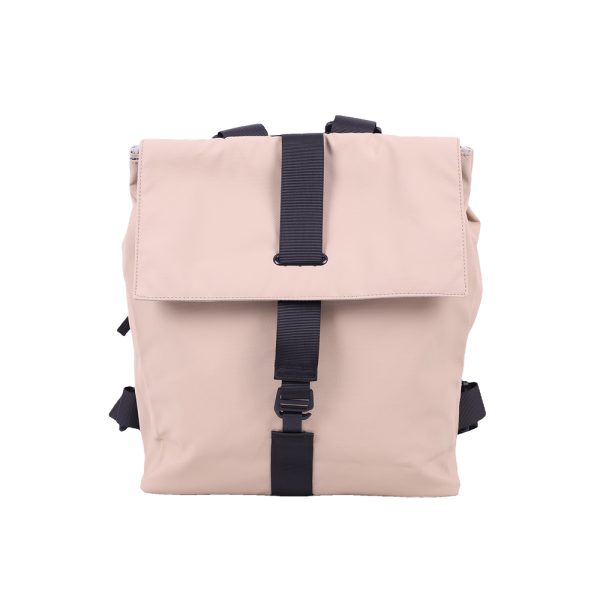
I’ve shipped team bags and worked with factories to shorten lead times, and I’ve seen modular designs tested at big industry showcases; at CES 2023 modular laptop backpacks got clear booth interest from workplace and travel buyers. That real-world feedback matters because people interacted with the concept under pressure — quick tests, harsh open-floor lighting, and rapid handling. For a practical reference, consider the Modular Laptop Backpack as an example of how modular pockets, secure laptop sleeves, and neat logo zones come together in one spec that buyers understand and factories can reproduce consistently.
Execution checklist before you press GO
Run a five-point pre-launch check: 1) Prototype tested by target users for two weeks; 2) Finalized dielines and logo zones; 3) Supplier sample sign-off with QC metrics; 4) Realistic lead times and minimums confirmed; 5) Clear return and warranty policy. If any item fails, fix it before mass production. Small delays beat widespread defects.
Wrap-up that keeps it real
Brands win when they stop selling logos and start solving routines. Build around clear use-cases, use modular parts to control cost and expand appeal, and validate with short pilot runs. That practical focus turns a custom logo sports bag from a one-time giveaway into a product people use, remember, and reorder — justo lo que necesitas, amigo — and smart partners like ChangRong can supply the tested modular systems and production know-how to make that happen.