

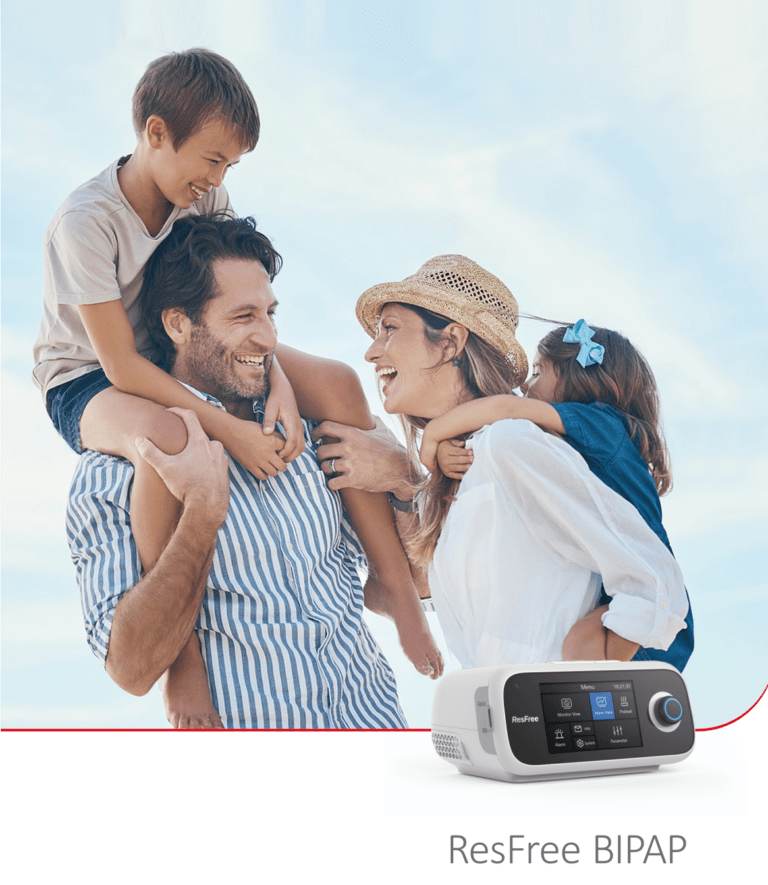
Comparative view of devices and clinical intent
Facilities assessing respiratory support must compare modalities on purpose and patient selection rather than brand alone. In many wards, clinicians decide between mask-based systems such as a cpap device, non-invasive ventilation and high-flow nasal cannula therapies. Each option delivers distinct physiological benefits: continuous positive airway pressure for airway splinting, non-invasive ventilation (NIV) for ventilatory support, and high-flow nasal cannula (HFNC) for flow-dependent oxygenation with heated humidification. This comparative lens clarifies when a hospital should invest in an HFNC platform versus expanding mask-based stocks.
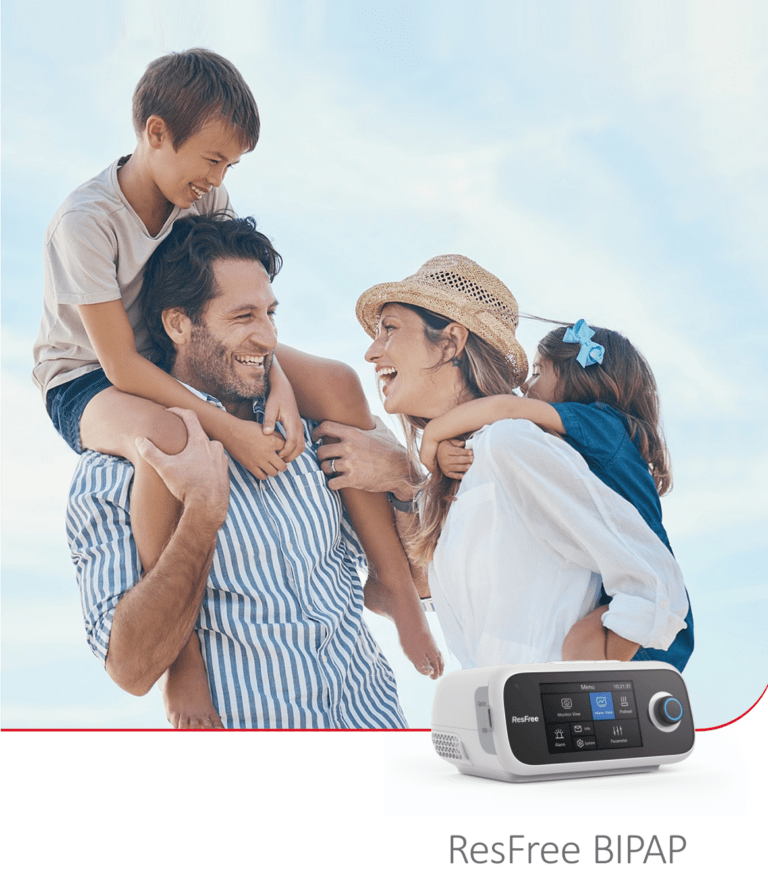
Clinical performance and patient-centred outcomes
HFNC systems, including Byond’s HFNC, commonly excel on comfort and tolerance. They supply heated, humidified gas at high flow rates that reduce dead space and can decrease work of breathing without the seal requirements of a mask. Evidence from the NHS response during the COVID-19 pandemic showed increased reliance on HFNC to bridge patients who might otherwise require invasive ventilation — a practical real-world anchor that influenced procurement decisions across the UK. For many patients, this translates into shorter stays in higher-dependency areas and fewer escalation events to intubation when used correctly. Industry terms to note here are flow rate, FiO2 and humidification; they directly affect oxygen delivery and mucosal comfort.
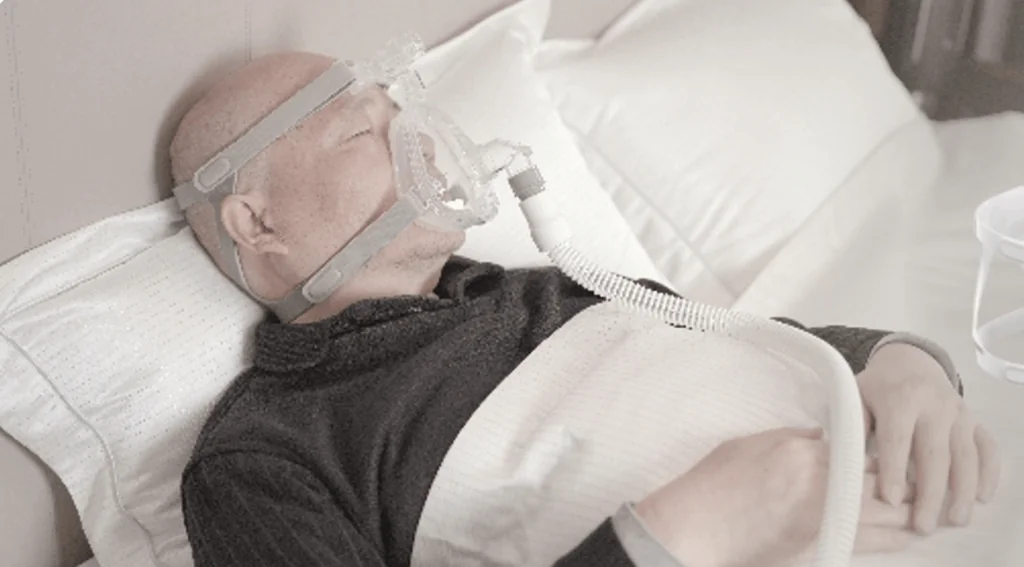
Operational considerations: staffing, maintenance and workflow
Instituting HFNC changes logistics. Training must include titrating flow and FiO2, recognising failure criteria for escalation to NIV or invasive support, and maintaining infection prevention measures. A facility that already stocks mask-based systems will find overlap in consumables for NIV and BiPAP, yet HFNC requires dedicated tubing and heated circuits. If a hospital contemplates a mixed inventory, it should also assess oxygen supply capacity — peak flow demands for HFNC can be substantial. For facilities that use BiPAP machines presently, look for how easily staff can switch modes between a bipap medical device and HFNC. Training sessions should be concise and scenario-based — clinicians respond well to pragmatic drills rather than lengthy manuals.
Common mistakes and reasonable alternatives
Several practical errors recur in procurement and deployment. Over-investing in devices without parallel investment in oxygen infrastructure limits clinical benefit. Under-training staff on escalation thresholds leads to delayed intubation when necessary. There is also a tendency to under-specify humidification capacity; inadequate humidification increases mucosal drying and discomfort. Alternatives worth considering include upgrading existing NIV stock, procuring portable HFNC units for step-down areas, or deploying enhanced CPAP systems for obstructive respiratory conditions. Each alternative should be matched to patient cohorts, acuity levels and ward capacity rather than vendor novelty.
Three golden rules for selecting respiratory equipment
1. Match device capability to clinical pathway: select HFNC where moderate hypoxaemia and high work of breathing are common, reserve NIV for ventilatory failure, and CPAP for obstructive or initial collapse — ensure your oxygen and power infrastructure supports peak requirements.
2. Prioritise staff competence and concise protocols: acquisition without competency is wasted investment; implement short, scenario-led training and clear escalation triggers.
3. Evaluate total cost of ownership: include consumables, maintenance intervals, and potential savings from reduced ICU transfers — procure devices with straightforward servicing and accessible spare parts.
Byond’s HFNC systems address these metrics through sensible engineering and workflow-aware design, offering a practical solution where patient comfort, clinical utility and operational clarity must align — a necessary fit for modern respiratory services. —