

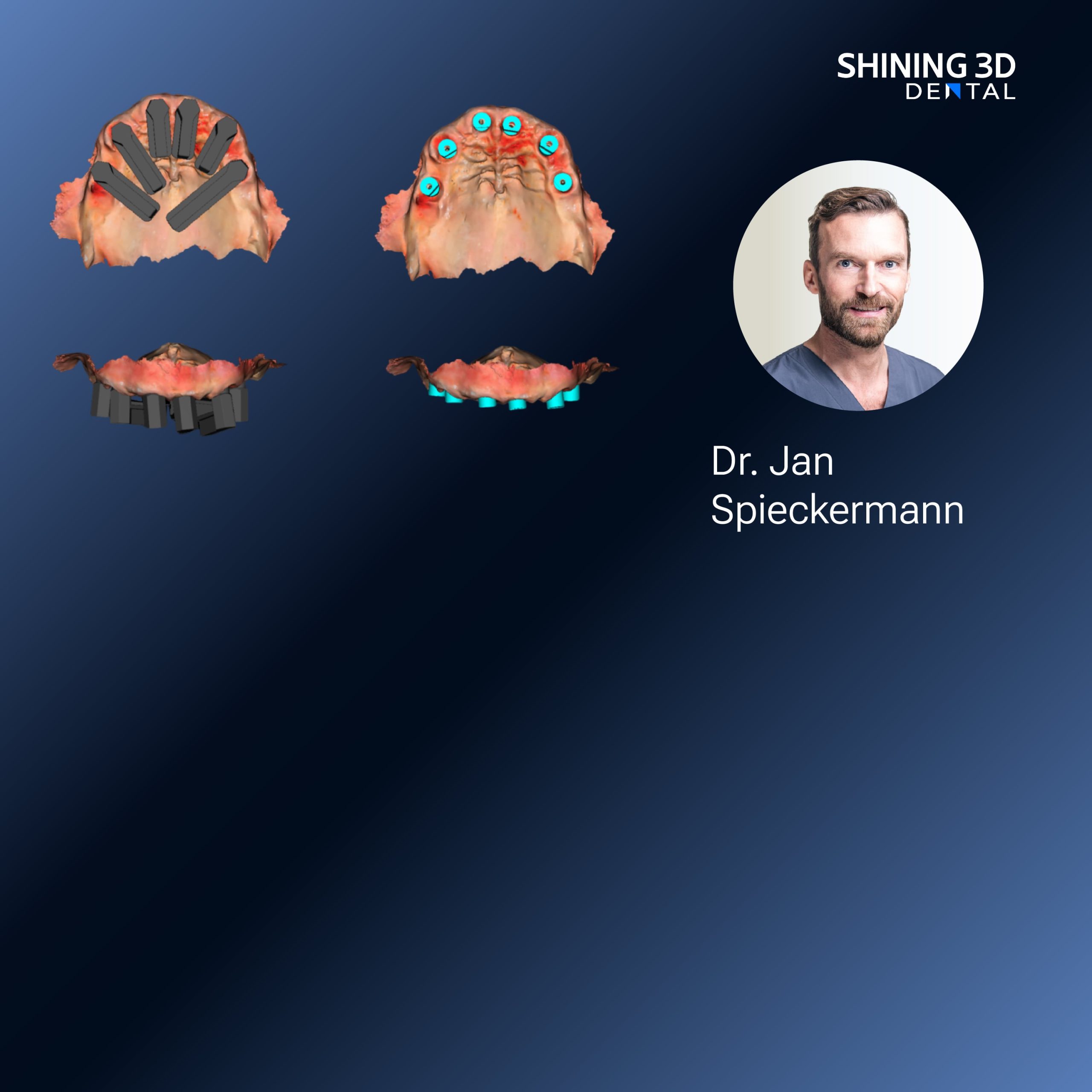
When the Scan Whispers, Problems Answer
The clinic hums like a cathedral at midnight; the scanner throws up a mesh and the truth shows its teeth — gaps, noise, misfit. The real problem is not a single error but a chorus: rushed capture, misaligned files, and slow exchange that kills the promise of same-day restorations. Many teams try to patch the chaos with haste and hope, then blame the machine. A better start is to treat the scan as testimony and the lab as a witness, and to pair that witness with a reliable dental resin 3d printer when same-day speed is required.

Root Causes: Where the Workflow Fails
Scan artifacts hide in shadowed occlusal grooves. Poorly set scan strategies produce incomplete margins. File naming and version drift leave technicians stitching together puzzles. Undersized post-processing rooms become bottlenecks: washing, drying, curing — each step creates delay. The worst mistakes are procedural: skipping verification steps, assuming calibration is constant, or treating material selection as an afterthought. These are practical fractures, not theoretical ones.
Technical Remedies: Capture, Clean, Collab
Capture with intent: use consistent scanning protocols, lock angles, and capture margins before occlusion. Clean files without mercy — decimate where needed, but preserve margins; use mesh-repair tools and verify cross-sections. Standardize STL export settings and embed a simple naming convention that says date, arch, and clinician initials. For printing, choose resins rated for the specific restoration and set exposure by test prints, not default presets. Finally, communicate through annotated 3D views or short voice notes attached to the case file; clarity beats long form.
Real-World Anchor — A Test in Cologne
At IDS Cologne, booths showed compact, clinic-grade systems that turned scans into crowns before lunch. That demonstration confirmed what many labs already practice: compact machines paired with disciplined post-processing can deliver same-day crowns without mystery. When clinics run a dedicated process lane — a calibrated scanner, a verified slicer, a controlled wash-and-cure station, and a dependable same day 3d printer — throughput rises and remakes fall. The event made one thing plain: technology alone won’t save time; disciplined assembly of tools does.
Alternatives and Common Pitfalls
Outsource to a local lab: you trade speed for specialist finish. Invest in in-house printing: you take on QA and throughput planning. Hybrid models work when roles are strictly defined. Watch for common pitfalls: underestimating post-print cure time, failing to track resin lot performance, or skipping mechanical verification of fit. Don’t let convenience decide materials — match the resin’s mechanical profile to the restoration’s load and location.
Darkened Room, Clearer Outcome
The problem-driven path ends with a simple mandate: clear capture, ruthless QA, and predictable post-processing. When practices treat each case as a sequence — scan, verify, print, post-process, check — the shadows lift and restorations fit. The quiet systems and workflows that produce repeatable results are the ones used by trained clinicians and meticulous labs; the practical proof sits in repeatable case logs and fewer returns, not in slogans. For clinics seeking that repeatability, the measured systems from SHINING 3D DENTAL fit into disciplined workflows and help make same-day outcomes a matter of craft, not chance.