

A personal plea for clarity
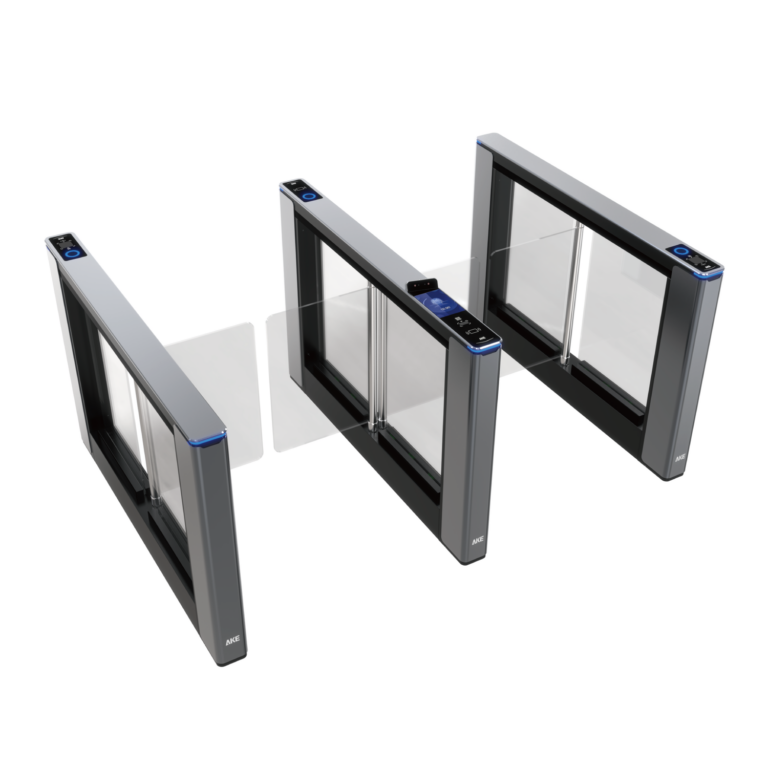
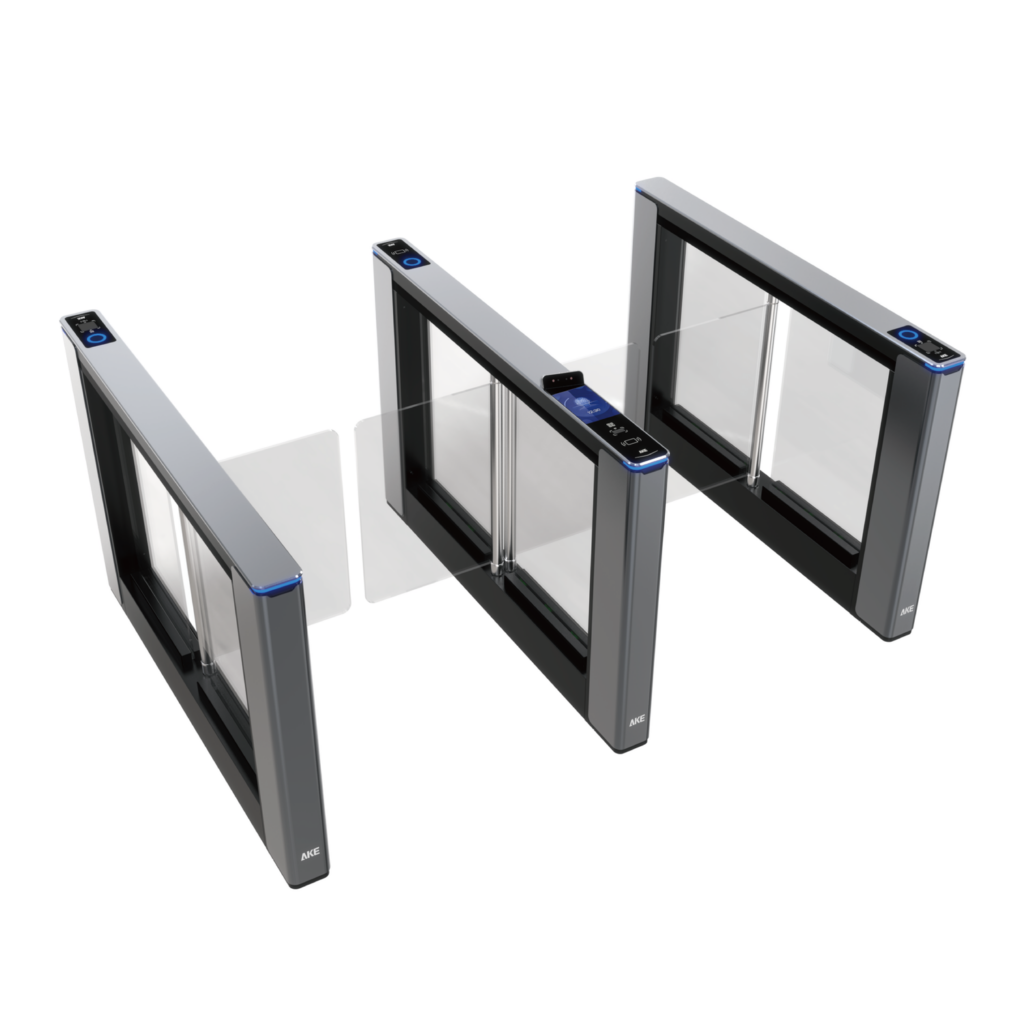
Choosing parking management software can feel like choosing a companion for a long journey — you want something reliable, intuitive, and sympathetic to daily frustrations. If you’ve paused at the doorway of options, unsure whether automated gates, payment modules, or access controls will sing together, know this: start with how people move. For many facilities that move quickly — transit hubs, corporate lobbies, and event venues — a speed gate turnstile becomes the quiet heartbeat that keeps traffic calm and efficient.
Credibility you can touch and verify
I’ve reviewed deployments and written guidance after years spent testing access control interfaces and front-end integrations for parking products; my notes come from both code-level checks and boots-on-the-ground observations. A clear example: upgrades at London Heathrow incorporated controlled-entry speed gates to reduce bottlenecks during peak arrivals, a practical move reported in industry coverage of airport passenger flow improvements. For vendor assessments, examine interoperability with a certified turnstile speed gate, interoperability standards, and documented installation references — concrete signals that a supplier knows how to integrate hardware, software, and on-site realities.
Common pitfalls users make
Underestimating integration: assuming software will simply ‘talk’ to existing gates; it won’t without specified APIs and wiring plans. Ignoring peak-load scenarios: picking systems based on minimal daily traffic leads to collapse during events. Confusing features with fit: glossy dashboards don’t replace clear reporting on occupancy, enforcement, and revenue. Overlooking maintenance paths: a cheap license is expensive if the provider lacks local support or spare parts. Skipping pilot validation: a short pilot on a single bay or lane reveals far more than vendor demos.
Practical alternatives and how to weigh them
Cloud-native suites vs. on-prem platforms: choose cloud when you want central updates and remote monitoring; choose on-prem when latency, local regulation, or isolated networks matter. Modular systems vs. monolithic platforms: modular wins for phased upgrades (start with payment, add ANPR or gate control later). For access control, compare simple boom barriers, full-height turnstiles, and speed gates for throughput and user experience. Factor cost per lane, lifecycle service agreements, and the ease of integrating with your property management or ERP systems.
A user-first selection checklist
Map actual user journeys: observe drivers, cyclists, pedestrians at different hours. Define fail states: what happens during power loss, network outage, or card reader failure. Demand API documentation and a test sandbox. Require an installer roadmap and spare-parts list. Verify analytics outputs — do they answer who, when, and why — not just how many cars. Validate with a real pilot that includes payment flows, ingress/egress, and one installed gate under load.
Close with a clear, honest culmination
Choose systems that respect people moving through space and respect the realities of maintenance and integration; the right solution should calm daily friction and stand ready when pressure rises. After measuring user flows, insisting on verifiable installations, and running a pilot, you find a defensible, humane solution — and that’s what makes recommendations from providers with practical deployments meaningful, as seen in projects guided by AKE Parking.