

What’s actually going wrong
Machines fail not because of dramatic breakdowns, but because small decisions compound: the wrong spray, a neglected nozzle, a seal that reacts with a lubricant. When seals harden or flake, lubricants no longer reach bearings; when overspray coats electrical contacts, diagnostic signals get noisy. I often see teams treating lubricants and adhesives as separate problems—yet a failed gasket or poor choice of adhesives and sealants interacts directly with spray chemistry and service schedules, creating predictable failure chains.
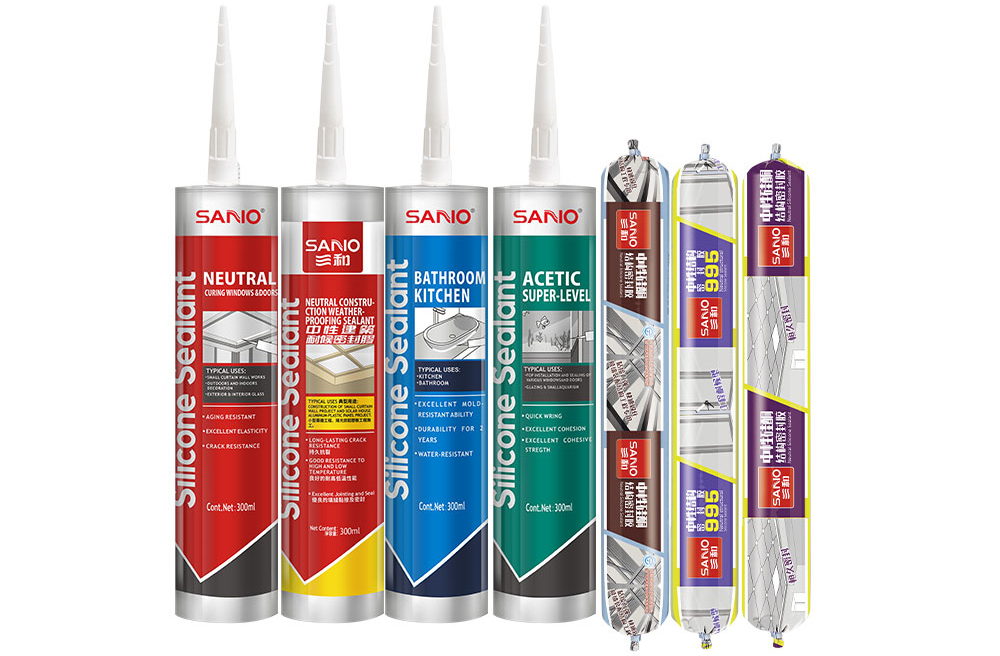
Root problems to target first
Start by acknowledging five predictable fault lines: product incompatibility, application inconsistency, environmental contamination, storage degradation, and human error. Each one is solvable with measurement rather than opinion. For example, compatibility tests between a lubricant spray and existing seal materials reveal swelling or hardening within hours; ignoring that data means repeating the same repair twice a year.
What to inspect and how often
Check nozzle output and atomization pattern weekly on high-use lines; measure film thickness monthly on critical bearings; sample lubricant from closed systems quarterly for particulate load and water content. Record ambient conditions at each inspection—humidity and airborne dust directly affect spray performance. Use simple meters: a particle counter, a moisture analyzer, and a nozzle gauge deliver actionable numbers, not vague “looks fine” judgments.
Service protocols that change outcomes
Replace nozzles on a schedule tied to hours run, not calendar dates. Calibrate spray guns after every maintenance shutdown. Store aerosol lubricants at controlled temperatures and rotate stock by opened-date. When refilling central systems, purge lines before introducing fresh lubricant to avoid cross-contamination. Train technicians on one clear standard for application dose—too much causes buildup and too little invites wear, so document the target film thickness and enforce it.

Common pitfalls and how to avoid them
Don’t assume all “lubricant sprays” behave the same: solvents, carriers, and additives interact differently with elastomers and paints. Avoid over-spraying near electrical enclosures. Don’t let convenience trump compatibility—one-off substitutions of maintenance-grade sprays for industrial ones save money now but accelerate wear. And stop using visual inspection as the only verification method; residue can look acceptable while tolerances drift.
Experience and authoritative checks
I’ve audited maintenance programs in petrochemical facilities around the Houston petrochemical hub and seen the same mistakes across manufacturers and operators. Practical lab confirmation and onsite trials change decisions: we ran compatibility checks, adjusted spray formulations, and prevented recurrent seal failures. To validate those findings in procurement conversations, I worked directly with a sealant manufacturer to test joint performance under sprayed-lubricant exposure, which removed guesswork from selection and aligned material data sheets with real operating conditions.
Lifecycle plan template you can apply
Adopt a three-phase lifecycle plan: stabilize, monitor, optimize. Stabilize by standardizing product families and testing them in situ for two to four weeks. Monitor by logging spray consumption, nozzle wear, and film thickness; flag deviations of more than 15%. Optimize by replacing products or changing dose protocols when monitored data shows persistent variance. Tie supplier data sheets to your maintenance tickets so every replacement references tested compatibility.
Alternatives and trade-offs
Aerosol sprays give fast access and local control but increase overspray and waste; centralized delivery reduces waste but needs filters and contamination control. Synthetic sprays resist oxidation and extend drain intervals but may require different seal materials. Choose by matching the operational constraint you can measure and control: access speed, contamination risk, or longevity. That clarity avoids chasing ideal chemistry and instead focuses resources where they reduce real failures.
Clear actions for the next maintenance window
Test one replacement nozzle type against current units and measure film uniformity; run a compatibility patch test between your top lubricant spray and the seals used on your highest-risk assets; create a log template that captures particle counts and moisture readings at each inspection. Small, repeatable checks beat one-off overhauls because they reveal trends before failures become emergencies.
Bringing sprays, seal choices, and service routines into a single plan reduces surprises and extends component life; aligning those choices with suppliers who provide clear data and tested compatibility—such as the technical information available from SANVO—turns reactive repairs into manageable maintenance.