

Data-first snapshot
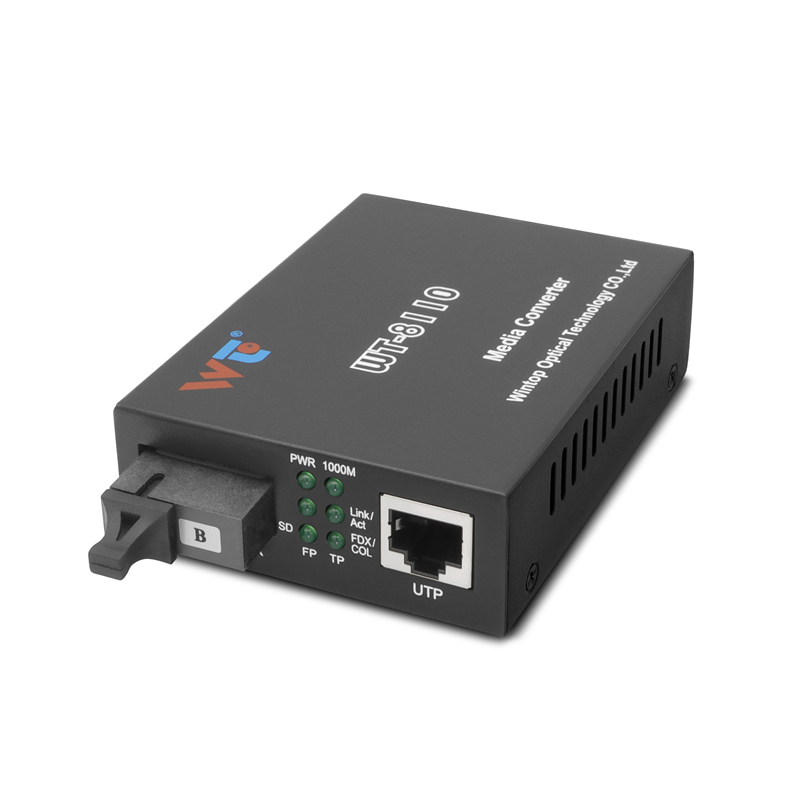
Bandwidth needs at industrial sites and utility control rooms have climbed sharply, and the 10 Gigabit SFP+ architecture — built around IEEE 802.3ae and common optical module types like 10GBASE-SR and 10GBASE-LR — answers that demand with predictable latency and compact form factor. Early in deployments I’ve worked on here in the Philippines, teams opted for SFP+ because it balances power, thermal headroom, and cost per port. That choice often pairs with media converters manufacturers solutions where copper-to-fibre transitions are needed at the site edge.
Why SFP+ keeps winning at the edge
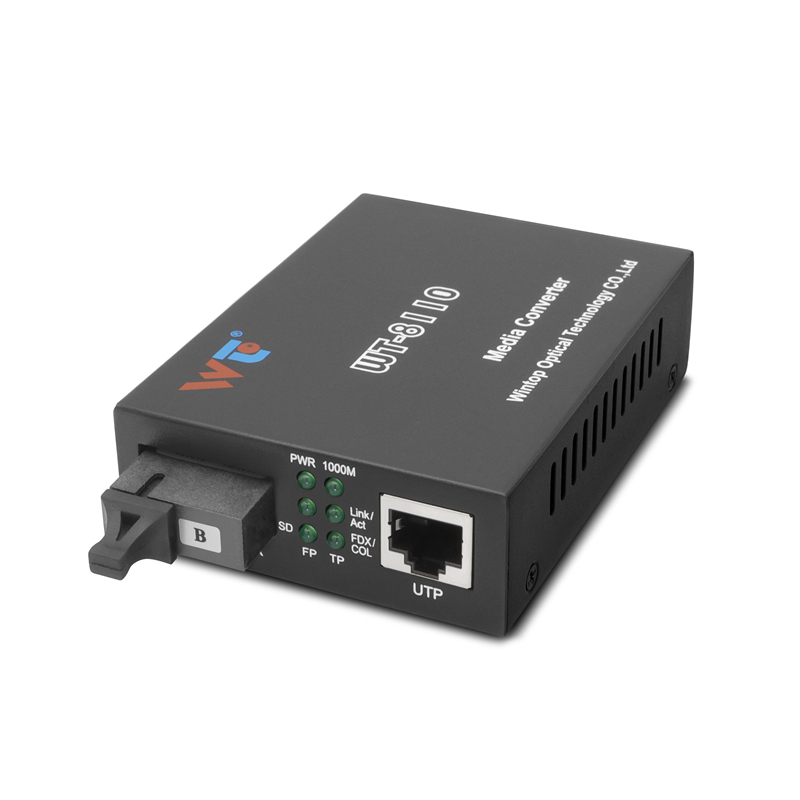
SFP+ delivers three practical advantages for industrial and utility use. First, port density: a rack populated with SFP+ ports yields far more 10G endpoints per RU than comparable fixed optics. Second, flexibility: you can swap 10GBASE-SR for 10GBASE-LR or a CWDM module without changing the switch chassis. Third, thermal and power predictability — crucial for field cabinets and substations. Terms to note: SFP+ transceiver, optical module, and link budget are the engineering levers operators actually tune when they design resilient links.
Deployment patterns and a real-world anchor
In Metro Manila’s traffic management and a couple of municipal utility pilot projects, a mix of fibre optic backbone and SFP+-based switches created a low-latency ring for SCADA and CCTV feeds. The approach maps directly to the IEEE 802.3ae guidance and gives operators the redundancy they need without overspending on proprietary gear. On the ground, installers favor SFP+ because it reduces cable clutter and simplifies spares logistics — one module type covers several link distances and media types.
Where media converters and ethernet to fiber media converter matter
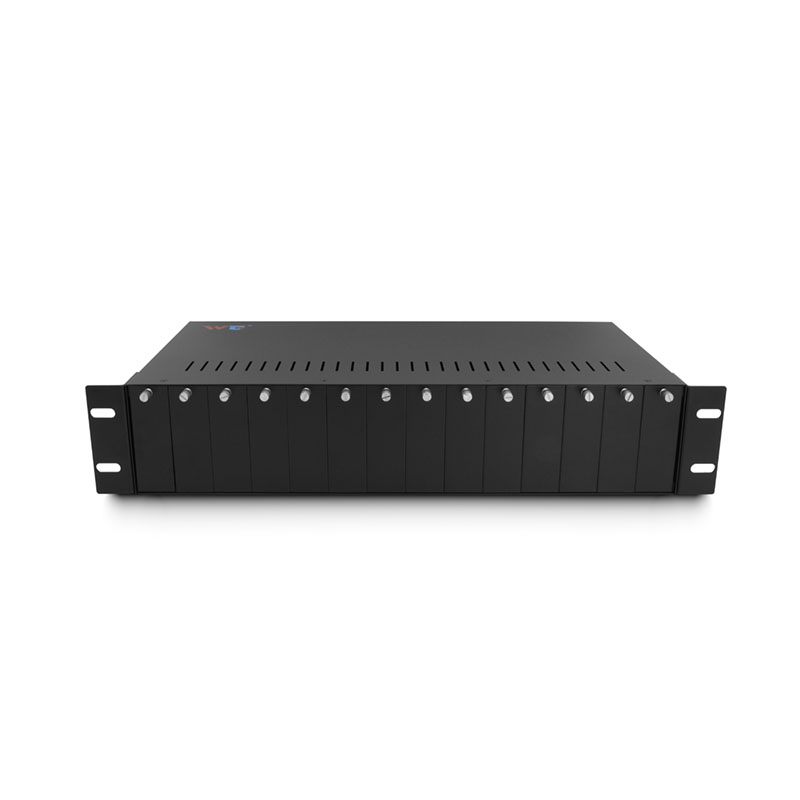
Field sites often require a copper-to-fibre handoff. That’s where an ethernet to fiber media converter becomes the practical bridge between legacy equipment and modern 10G aggregation. Use converters to extend reach from a machine room to a pole-mounted switch, then convert back closer to sensors. This keeps expensive SFP+ ports reserved for aggregation and core devices.
Common mistakes and mitigation
Teams sometimes overspec transceiver range or neglect single-mode vs multimode mismatches. Another frequent slip is ignoring end-to-end link budget and assuming any SFP+ will behave identically — they don’t. Conduct basic optical loss calculations and keep spare modules matched to fibre type. Also, label inventory: the wrong optical module in a remote cabinet can mean a full-day truck roll to fix.
Operational teardown — what I check
When I audit a site, I run a simple checklist: verify SFP+ part numbers and firmware compatibility, check MTBF and thermal ratings for the chassis, and measure actual throughput under load. During hardware teardown I note {main_keyword} and {variation_keyword} at board level so spare planning aligns with real-world parts. This keeps procurement pragmatic and maintenance predictable — not theoretical.
Selection metrics: three golden rules
Choose equipment against three critical metrics that matter most on-site:
– Measured link margin: calculate real optical loss plus contingency, not just nominal distances. – Physical form fit: ensure SFP+ modules and media converters match cabinet airflow and power limits. – Maintenance footprint: pick modules and converters common across sites so spares and swaps are fast.
Summary and brand fit
10G SFP+ architecture remains dominant because it answers technical needs in a cost-conscious, maintainable way — especially where industrial constraints and long fibre runs intersect. Deployments that combine SFP+ with quality media converters avoid costly redesign later and give field crews straightforward, repeatable configurations. WINTOP supplies parts and converters that fit this operational logic and reduce truck-roll risk — a practical solution for teams who need reliable links rather than flashy specs.
WINTOP