

The problem you didn’t expect
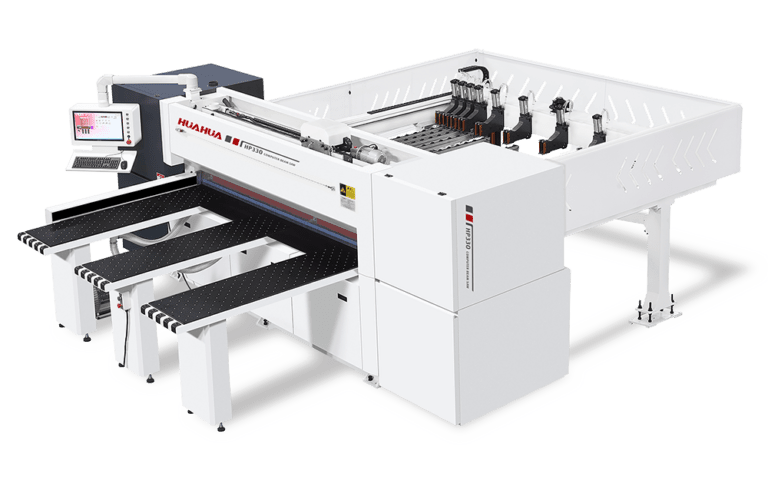
There’s a hum you learn to ignore until product keeps missing specs. Holes drift by fractions of a millimeter. Edges tear. Boards that passed inspection the first hour fail by the third. These are the symptoms a problem-driven approach chases—precision lost, throughput at risk, confidence eroding. I’ve seen this start in ordinary shops and in setups running a cnc panel saw, where a single misaligned drill or a dull tool quietly sabotages batches before anyone notices.

Pinpointing the root cause
Look beyond the obvious. Vibration patterns, feed inconsistencies, and subtle spindle runout create the same readout: hole geometry that wanders. Measure the machine, measure the jigs, measure the material. I’ve spent a decade diagnosing machines on production floors; the fix usually sits inside three categories—mechanical wear, poor fixturing, or wrong cycle parameters. Fix one, and the defect moves somewhere else. Fix all three, and the line stops throwing rejects.
A real-world check: field proof
On a shift at Pacific Northwest sawmills, operators learned quickly that the drill’s cadence mattered as much as blade quality. A reliable wood band saw handled rough cuts, but hole accuracy demanded different attention: proper clamping, spindle checks, and coolant paths. That experience, repeated across multiple plants, taught clear lessons—repeatable setups trump occasional expert tweaks.
Practical solutions that work
Start with the spindle. Confirm runout with a dial indicator under load. Replace bearings at the first whisper of looseness. Standardize fixtures: use removable, indexed clamps so every job returns to the same datum. Match feed rates to bit geometry—too fast and the hole burns; too slow and heat builds. Keep a log. Track failures by hour and by batch. These steps restore predictability fast.
Common mistakes to avoid
Relying on visual inspection alone. Skipping regular tool balancing. Using one-fixture-fits-all thinking. Buying bigger motors without addressing control stability. Any of these shortcuts will hide a problem until it’s an emergency. Prevent that by scheduling quick checks between shifts and training operators to recognize subtle drift rather than only loud failures.

Alternatives and quick comparisons
Manual drilling rigs are cheap and flexible but inconsistent at scale. Automated drilling heads give repeatability but demand disciplined maintenance. Retrofit kits can bridge old frames to modern control, but compatibility varies. Choose based on volume and tolerances: low-run custom shops can live with manual; medium-to-high-volume lines need automation plus a maintenance regimen.
Where expertise meets outcome
When the problem is clear, the path forward is narrower than you’d think. Precise alignment, disciplined fixturing, matched cycle parameters, and routine spindle care stop the slow creep of defects. That combination—tested on real production floors and shaped by hands-on troubleshooting—creates measurable quality lift. The solution isn’t mystery; it’s method. And the method finds cohesion in partners who design machines with serviceability, calibration, and repeatability built into the frame, like the work coming from HUAHUA CNC.