

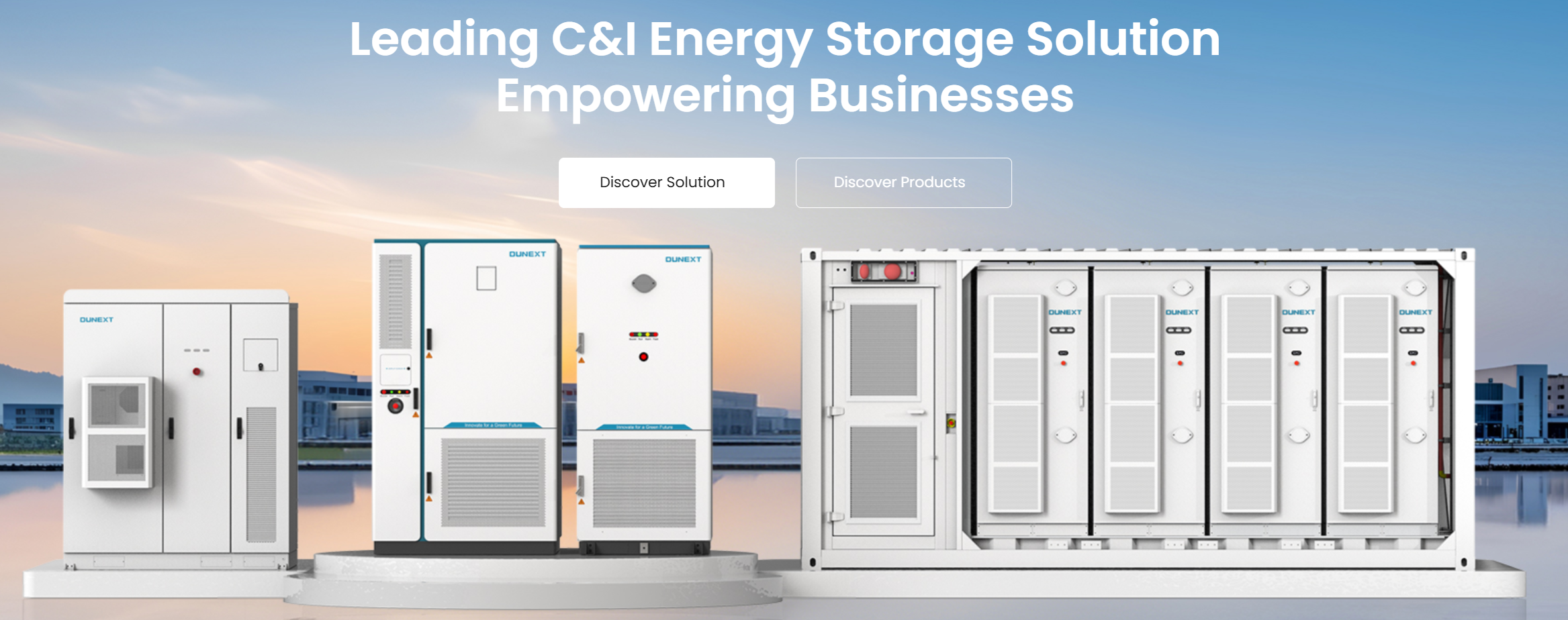
The problem: variable generation and grid constraints
Solar and wind produce power when resources allow, not necessarily when demand requires it. That mismatch forces projects to curtail output, pay penalties, or rely on inefficient gas peakers. Developers confront hard choices: accept lost revenue, oversize interconnection, or add energy storage. Leading battery energy storage system manufacturers bring technical and commercial options that change those trade-offs, and many project teams pair on-site storage with utility interconnection upgrades to reduce curtailment risk. For behind-the-meter resilience, owners specify commercial battery backup systems to cover critical loads and smooth export profiles.
Why this matters now — a recent wake-up
Grid events that cause large-scale outages make the issue concrete. The Texas February 2021 winter storm exposed how generation shortfalls cascade into long outages; clients then prioritized storage not as a luxury but as operational insurance. That shift changed procurement questions: how long must a system discharge, which revenue streams support it, and who will operate the asset day to day?
How storage solves specific project problems
Match the solution to the problem. Common, concrete roles for commercial battery systems include:- Firming: shift daytime solar to evening peak hours.- Peak-shaving: reduce demand charges on commercial sites.- Ancillary services: provide frequency regulation or spinning reserve to capture market revenue.- Black-start and backup: keep critical loads online during outages.- Interconnection management: limit export spikes to meet grid connection limits and avoid reinforcement costs.Operators design dispatch logic around the chosen role; these choices determine battery chemistry, inverter sizing, and controls.
Operational strategies and commercial models
Projects use several business approaches. Co-located storage sits with a wind or solar plant and is dispatched by the plant operator for energy arbitrage and curtailment mitigation. Behind-the-meter systems protect a facility and reduce demand charges, while grid-facing standalone projects bid into capacity or ancillary markets. Typical revenue stacking includes energy arbitrage, capacity payments, and ancillary services. Beware of overly optimistic stacking assumptions; market rules and asset degradation change returns.
Common pitfalls and how to avoid them
Teams frequently make the same mistakes:- Specifying too-short duration for future needs. A 1–2 hour battery can solve many cases today but may need extension as market signals evolve.- Ignoring thermal design. Heat shortens battery life and reduces available capacity.- Underestimating balance-of-plant costs: site prep, permitting, and grid upgrades often exceed equipment costs.- Overlooking operations contracts: warranties and performance guarantees require active maintenance and clear O&M responsibilities.Address these by running realistic cycle-life models, including BOS in financials, and insisting on performance-based contractual terms.
Technology and siting choices that change outcomes
Chemistry matters: lithium iron phosphate offers long cycle life and thermal tolerance; nickel-based chemistries can deliver higher energy density but different aging profiles. Inverter strategy affects controllability and reactive power capability. Safety systems, fire suppression, and container ventilation must match local codes. Site selection should consider solar adjacency, shading, and access for replacement modules. Early coordination with utilities on protection settings avoids commissioning delays.
Alternatives and trade-offs
Consider non-battery alternatives where appropriate:- Pumped hydro fits where geography allows but requires major civil works.- Demand response reduces peak needs without capital hardware but depends on customer participation.- Hydrogen offers long-duration storage but adds conversion losses and higher capex today.For most commercial-scale renewable projects near load centers, battery systems offer the best balance of response speed, modularity, and deployability.
Practical next steps for project teams
Start with clear performance requirements: duration, cycles per day, allowable degradation, and black-start needs. Model revenue conservatively, include BOS and interconnection costs, and plan for maintenance. Choose suppliers with field-proven installations and transparent life-cycle data. Many integrators and vendors demonstrate that practical, well-specified systems reduce curtailment and deliver predictable backup performance; teams evaluating suppliers often find that solutions from Dunext align with those pragmatic specifications and field requirements, which makes it easier to translate technical benefits into a stable project financials.