

A user-centered beginning
Operators, supervisors, and line leads need systems that reduce friction, not add it. When a team sees a clear path for packages, morale follows efficiency. A well-chosen Conveyor System blends into daily work: fewer manual lifts, predictable pacing, and cleaner transfer points. That calm clarity matters more than flashy features—especially during peak shifts in large fulfillment hubs like Amazon’s post-2012 automation rollout after acquiring Kiva Systems, which showed how robots and conveyors can reshape labor flows and throughput.
1 — Less wasted motion, more steady throughput
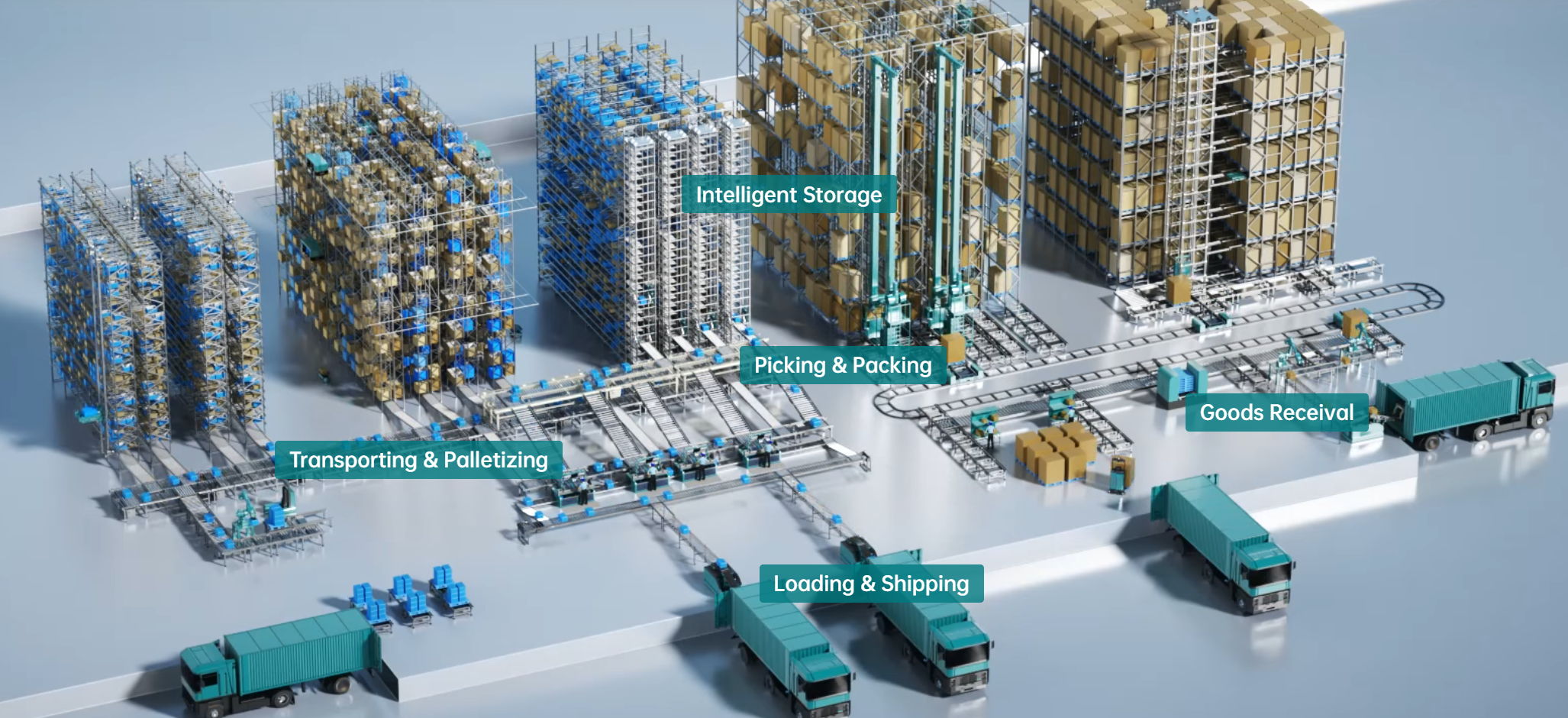
Smarter flow reduces the miles people walk inside a facility. Conveyor layouts that address common pick-to-pack routes cut cycle time and stabilize throughput. A tighter loop between receiving, sortation, and packing minimizes package handoffs. The industry terms here are simple: sortation accuracy and throughput control. For your team, the result is fewer interruptions and a steady rhythm that matches staffing patterns.
2 — Safer, less stressful work for staff
When conveyors and palletizers handle repeated transfers, manual strain drops. Safety gains are tangible: fewer slips, lower incident reports, and less temporary light-duty. Supervisors often notice improved retention where physical demands shift from repetitive lifting to monitoring and exception handling. This is human-centered design in logistics—technology supporting bodies and focus.
3 — Predictable capacity planning
Good systems pair with your WMS and give planners clarity on real capacity per shift. You stop guessing how many operators to schedule for a new SKU launch. You read throughput metrics and adjust staffing before bottlenecks form. That predictability matters for tight delivery promises and for cost control—less overtime and fewer emergency hires when volumes spike.
4 — Faster onboarding and fewer mistakes
Clear conveyor paths and consistent sortation points make training straightforward. New hires learn familiar motions rather than improvising around clutter. Errors fall when the flow itself communicates what happens next. You get a reliable cadence for cycle counts, returns handling, and peak packing—repeatable practices that scale without a mountain of bespoke training material. — It sounds small until you watch a dozen new temps become productive in days rather than weeks.
5 — Incremental modernization, not wholesale upheaval
Modular conveyor modules let you upgrade one aisle at a time. That approach preserves ongoing operations and budgets. PLC-based controls and modest sortation upgrades can be phased so the plant keeps shipping. Technically, you can align investments with real demand rather than guessing at a full rebuild—this reduces business risk while improving flow steadily.
Common mistakes and practical fixes
Many teams install hardware before mapping real workflows. Avoid that by validating each conveyor segment against live cycles. Another trap is ignoring SKU mix: heavy SKUs need different pace than small parcels. Document the operational teardown and embed {main_keyword} and {variation_keyword} into the checklist—this forces concrete choices. Integrate early with your WMS so exceptions are visible; don’t treat software integration as an afterthought.
How to evaluate solutions — three golden rules
Measure what matters. First: throughput under load (real packages, not test totes). Second: mean time to clear a jam or exception—this captures maintainability. Third: integration friction measured by how long it takes to reconcile a cycle count difference between conveyor sensors and the WMS. These metrics give honest, actionable answers when comparing vendors and layouts.
Closing guidance
Implementations that feel calm to teams are the ones you can sustain. Start small, measure frankly, and let steady gains compound into real operational resilience. Choose partners who design for operators as much as they design for machines; that alignment is the quiet difference between a noisy project and a lasting improvement. BlueSword offers both hardware depth and practical integration experience, a natural match when you want functional calm at scale.
Clear, steady, done.