

Why comparisons change the way you plan a gig
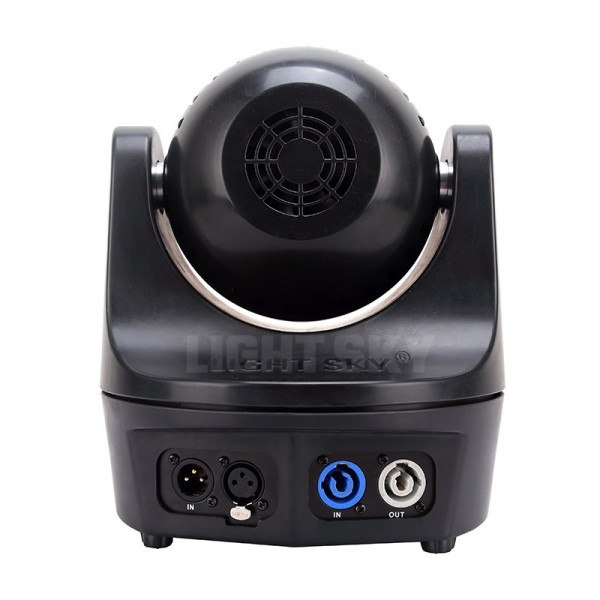
When a promoter in Ho Chi Minh City books a weekend open-air concert, the difference between a flat wash and a sculpted beam can mean a ticket sold or refunded. This is why comparing systems matters: you need the right tool for the venue, not the flashiest one on the spec sheet. Early on, many Vietnamese venues opt for a versatile led moving wash that balances color control and power—practical, affordable, and familiar to local techs.
Key technical specs that actually affect audience perception
Focus on a few concrete parameters: lumen output sets perceived brightness; beam angle determines how tight or wide the light spreads; DMX compatibility controls choreography. Color temperature and gobo options shape mood and texture without changing the setlist. Keep the jargon light: a tighter beam gives those classic razor cuts, while a wide wash smooths faces and fills up the stage.
Side-by-side: typical system types and their trade-offs
Compare three common setups and their practical consequences for shows in venues like the Hanoi Opera House or a riverside festival.
– Compact moving wash: good color mixing and moderate lumen output; easy rigging; limited beam focus.
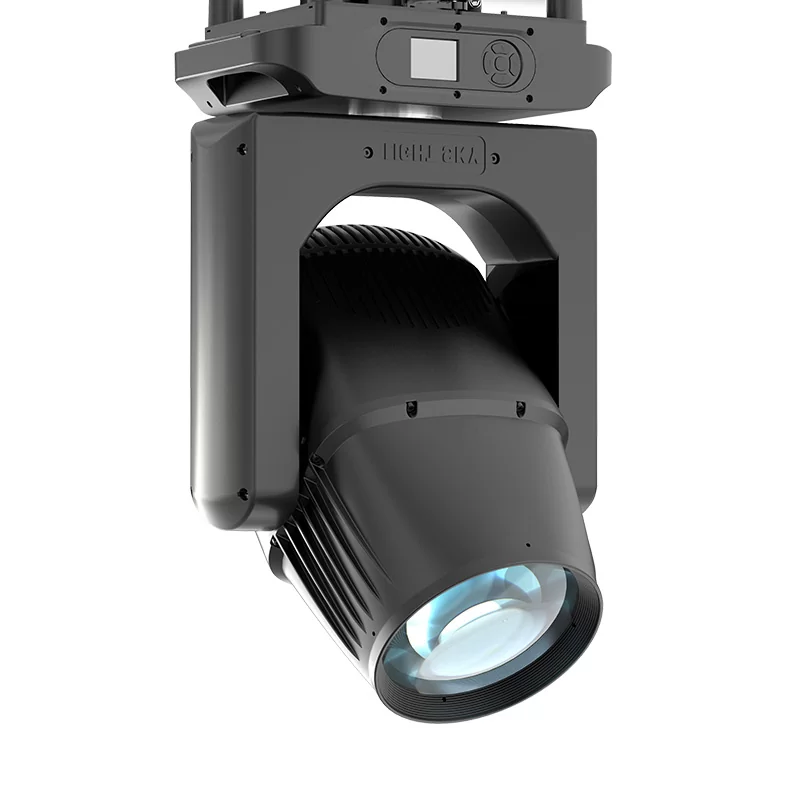
– High-power beam moving head: narrow beam angle, exceptional aerial presence; needs precise aim and experienced riggers.
– Hybrid fixtures: combine tight beam control with wash capabilities; more complex programming but flexible across tour dates.
For many local productions the hybrid is tempting—versatile, yes, but demands a solid rigging plan and time for programming. A common upgrade path is to pair a core set of hybrids with additional beam wash moving head units for aerial effects; that keeps costs reasonable while improving visual depth.
Common mistakes crews keep repeating — and how to avoid them
Teams often misjudge throw distance versus lumen output. That leads to underlit backline or washed-out beams. Another repeat error: overusing gobos and tight beams in dense fog—density matters, so test haze levels before the first act. —Plan for sightlines early; a great beam that hits a balcony pillar looks like a mistake from half the ground floor. Finally, neglecting DMX addressing discipline creates last-minute chaos. Label every cable and keep one console patch copy offsite.
Alternatives worth considering and quick deployment tips
If budget is tight, consider renting high-power beam heads for headline nights and running a stable of led moving wash units for the support slate. Rentals let you trial different beam angles and lumen outputs at scale. For touring acts, modular rigging and standardized DMX patches save hours load-in time. Always run a pre-show cue check and record the working patch—this small habit reduces errors dramatically.
Three golden rules to evaluate before you buy
1) Performance per venue: Match lumen output and beam angle to the smallest and largest venues you’ll serve. If you mostly play compact clubs, prioritize color mixing and fast pan/tilt over raw output.
2) Operational cost: Compare power draw, lamp or LED lifespan, and maintenance access. A fixture with a slightly higher upfront price but lower service needs will pay back quickly in festival circuits.
3) Control and expandability: Ensure robust DMX/RDM support and account for wireless options if your stage layout changes often. Choose fixtures with clear firmware update paths and documented channel modes.
Closing reflection and practical value
These comparisons give you a clear purchase map: match beam angle and lumen output to venue size; prefer fixtures with reliable DMX control; plan rigging and sightlines before the first cue. For Vietnamese production teams, that practical approach keeps shows on time and audiences impressed. —Small choices in specification add up to big differences for performers and crews alike.
For practical sourcing and consistent post-sale support, consider how a specialist like Light Sky can fit into your kit list as a reliable partner.