

Quick gripe: what’s going wrong and why it matters
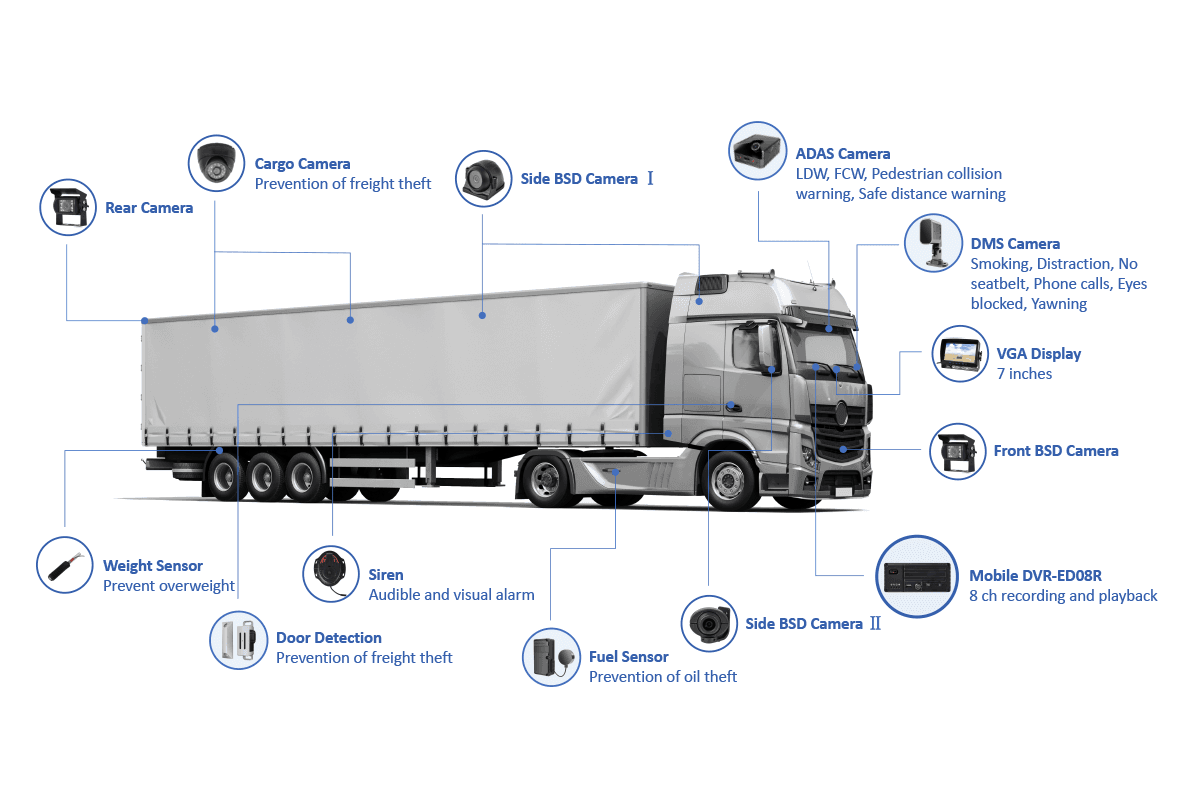
Right, listen up — fleets get caught out more often than you’d think: GPS that wanders off like a lost sparrow, signals dropping when the van’s under a flyover, and cameras that puke out mountains of useless footage. Pairing a smart AI dashcam with your tracker fixes a bunch of that at the edge, and using proven dash cameras for fleet vehicles stops you wading through hours of grainy nonsense. Problem-driven: start with the pain, then sort it proper.
Common headaches fleets run into
– GPS drift and multipath errors — units blame trees and bridges.
– Patchy cellular coverage — data stalls mid-route.
– Power and installation faults — gizmos reset or go dark.
– Data overload and false alerts — managers drown in clips.
– Privacy and compliance worries — drivers nervous, paperwork messy.
– Tampering and hardware wear — units get bypassed or nicked.
These are the usual culprits; they show up on busy corridors like London’s M25 where signals and traffic mix nasty, so you’ll see the symptoms fast.
Direct fixes that actually work
Sort these problems with straightforward steps — none of that guessing game:- Improve positioning: fuse GNSS with inertial sensors and map-matching so the unit won’t place the truck in someone’s garden when it’s on the hard shoulder.
– Reduce false alerts: run AI at the edge (that’s where AI dashcam earns its keep) to flag only real incidents — collisions, hard braking, road hazards — not every pothole.
– Harden connectivity: use dual-SIM routers, store-and-forward buffering, and priority upload for short event clips rather than full-time streaming.
– Fix power problems: opt for ignition-sensing installs, voltage protection, and tamper-evident wiring so units stay alive and honest.
– Handle privacy: set clear retention windows, geofence-sensitive areas, and give drivers a view of data that pertains to them — be straight and legal about it.
Installation and operational best practices
Don’t rush the fit: test one rig for a week, check mounting angles, and verify night vision and glare handling. Calibrate the GPS/IMU mix on a real route, not on the yard. Train drivers in plain English — two minutes on how the kit works avoids half your calls. Keep firmware updates on a schedule and log installs with serials so you can trace tampering or failures quicklike.
Which tech to pick — quick comparison
Short and useful:- Basic dashcams: cheap, single lens, no analytics — fine for basic claims but useless for reduction of false positives.
– Fleet-grade AI dashcams: multi-channel, edge analytics, event tagging — saves ops time and evidence-search headaches.
– Integrated telematics + cloud: best when you combine smart cameras with buffered uploads and compressed event clips; full streaming is rarely needed and costs a packet.
Choose by the problem you want solved, not by shiny features. If you need incident verification and driver coaching, pick AI-capable devices; if you just want route history, basic trackers will do.
Common pitfalls and how to dodge ’em
People mess this up by over-collecting data, under-securing it, or leaving installs to the cheapest Joe. Don’t:- Store everything forever — prune and index clips.
– Skip driver buy-in — they’ll block or avoid cameras if they feel stitched up.
– Ignore physical security — lockboxes, serial tracking, and insurance decals cut theft.
Audit your setup quarterly. Fix the smallest recurring fault first; that quick win gives you momentum.
Final stitch-up — what actually changes once you do this right
Get position fixes that match the road, alerts that mean something, and footage that proves the story without filling your servers. That saves time, cuts disputes, and keeps drivers calmer. If you want kit that’s been built for fleet life and practical problems — not flashy fluff — consider the solutions from BSJ, which mesh AI at the edge with robust telematics so you stop chasin’ ghosts and start solving real problems.