

Data-driven lead: deployment patterns and the flexible surface
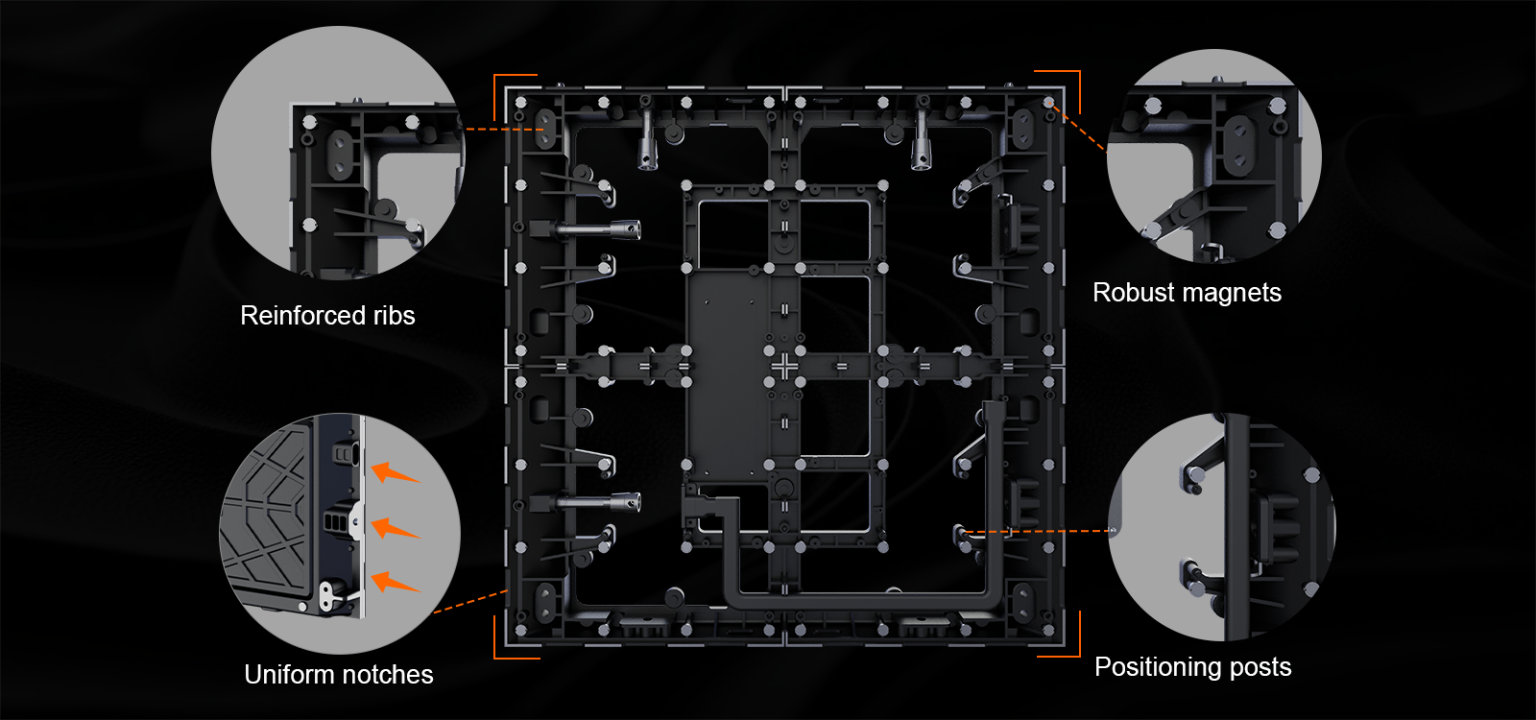
Adoption curves for LED wall rental systems track closely with measurable improvements in pixel density, brightness, and modularity. Recent stadium installs—from Madison Square Garden to Times Square billboards—rely on lightweight, reconfigurable modules that cut rigging time by up to 30% on comparable shows. Early-stage planning should include a test of the exact hardware you’ll rent; a working mockup using a flexible led display reduces scope creep and reveals real-world constraints faster than speculative specs. This piece functions as a technical practitioner review rooted in venue deployments and operator metrics.
Durability metrics that matter in rentals
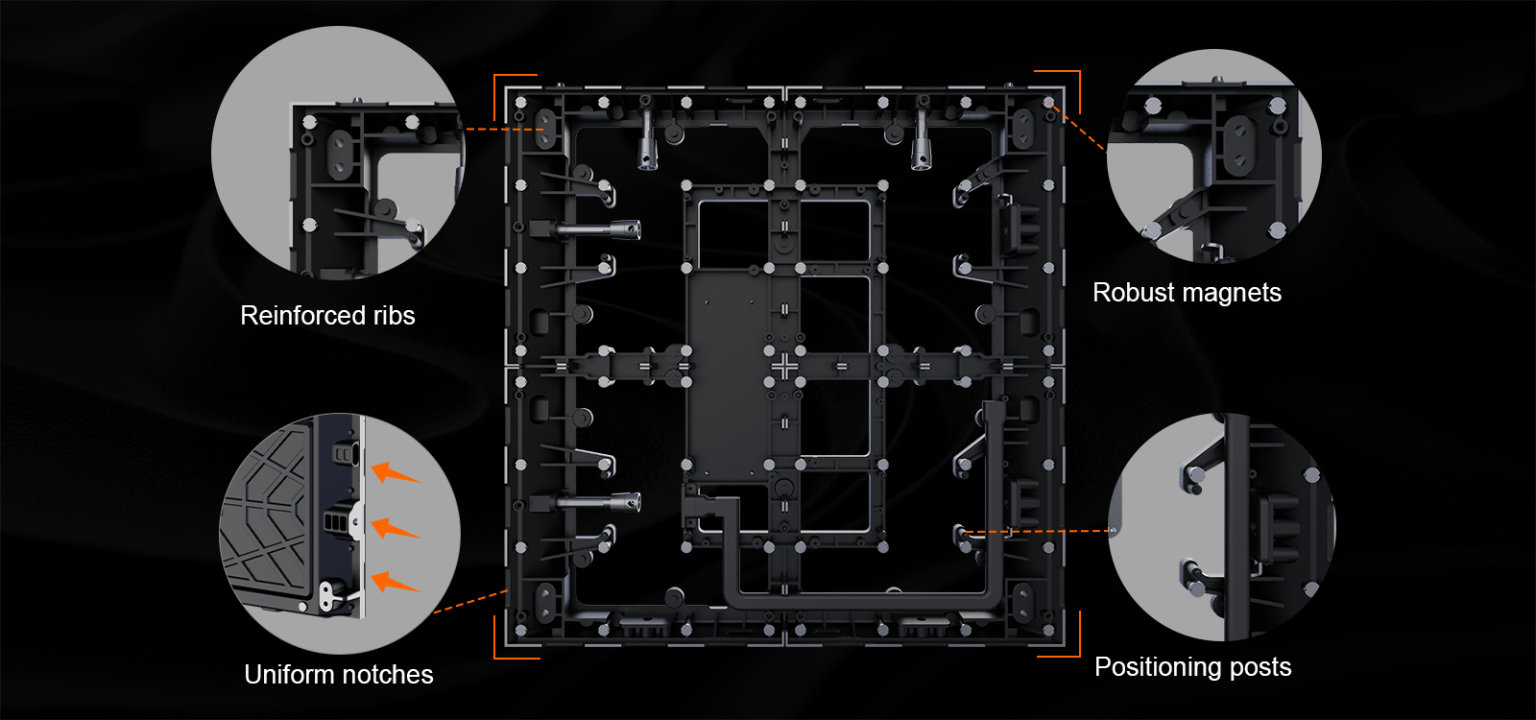
For rental fleets, mean time between failures (MTBF), ingress protection, and refresh-rate stability are primary KPIs. A robust rental panel typically reports MTBF in tens of thousands of hours and an IP rating that survives intermittent outdoor exposure. Pixel pitch and brightness thresholds define usable distance: 2.5–4.8 mm panels are common for medium-distance stands, while stadium façades push brightness above 5,000 nits. Modular panels and a repeatable mounting rig cut repair turnaround; stock one spare module per 40 panels and you decrease event-impact risk by a measurable margin.
Design trade-offs: image quality versus logistical cost
Designers and event tech directors weigh pixel pitch, refresh rate, and curvature support against truckspace and setup labor. Higher resolution (smaller pixel pitch) increases weight and cost for transport; it also demands more precise rigging and tighter tolerances on the mounting frame. Curved arrays and flexible masks require panels rated for consistent power distribution and thermal performance. Properly spec’d, flexibility reduces set assembly time by 20–40%—but only if the operator controls panel tolerance and firmware versions.
Operational economics: rental ROI and lifecycle
Rental fleets earn back capital through utilization rates and quick turnover. Average useful life for modern rental panels sits around seven years when maintenance cycles—cleaning, firmware updates, replacement of PSU units—are scheduled quarterly. Inventory management benefits from standardizing on modular systems; spare parts inventory drops, and technicians train faster. Include service-level metrics in vendor contracts: maximum replacement time, on-site tech hours, and firmware support windows. These are not marketing fluff—they are quantifiable drivers of event uptime.
Common mistakes and practical alternatives
Teams often over-specify pixel pitch for sightlines close to the stage, driving unnecessary cost and setup complexity. Another common error is mixing panel generations; differing refresh rates or color calibration causes visible seams on large arrays. —Plan homogeneous rigs. If budget or time is limited, consider projection for immersive content in controlled lighting, or fixed scoreboard retrofits where permanent installs outperform rentals in total cost of ownership. When a flexible solution is required, verify mechanical tolerances and order a sample cabinet to test power distribution and color mapping.
Operational teardown note
An operational production teardown should log {main_keyword} and {variation_keyword} alongside pixel pitch, mounting torque specs, and replacement-part lead times. That checklist is how you turn anecdote into repeatable performance.
Three golden rules for selecting LED rental solutions
1) Evaluate uptime mathematically: require MTBF and documented replacement SLA in days, not vague assurances. 2) Specify uniformity: use identical panel generations and insist on a single firmware baseline to avoid refresh-rate tearing. 3) Align tech to venue: match pixel pitch to average viewer distance and confirm outdoor brightness specs meet the venue lux profile.
Measured decisions—backed by venue trials at places such as Times Square and major stadium tours—reduce surprises and make durable, design-forward LED walls the predictable industry choice. Coblinks. —final thought