

The problem everyone skips
You want a louvers-pergola that actually does what it promises — blocks rain, spins quietly, and lasts more than a single season — but too many shoppers end up with rattling tracks, clogged drains, or motors that die after a year. If you’re weighing options or thinking about a solar pergola, start by admitting the real problems: hidden drainage, weak connections, and vague performance claims.

Material checks that matter
Don’t accept glossy photos. Run a simple material audit: confirm the frame alloy (look for high-grade extruded aluminum or stainless fasteners), ask for powder-coat thickness and UV rating, and check if seals are EPDM or a cheaper rubber. Wood looks warm but needs specification for treated hardwood and clear guidance on maintenance. If the vendor won’t provide these details in writing, that’s a red flag.
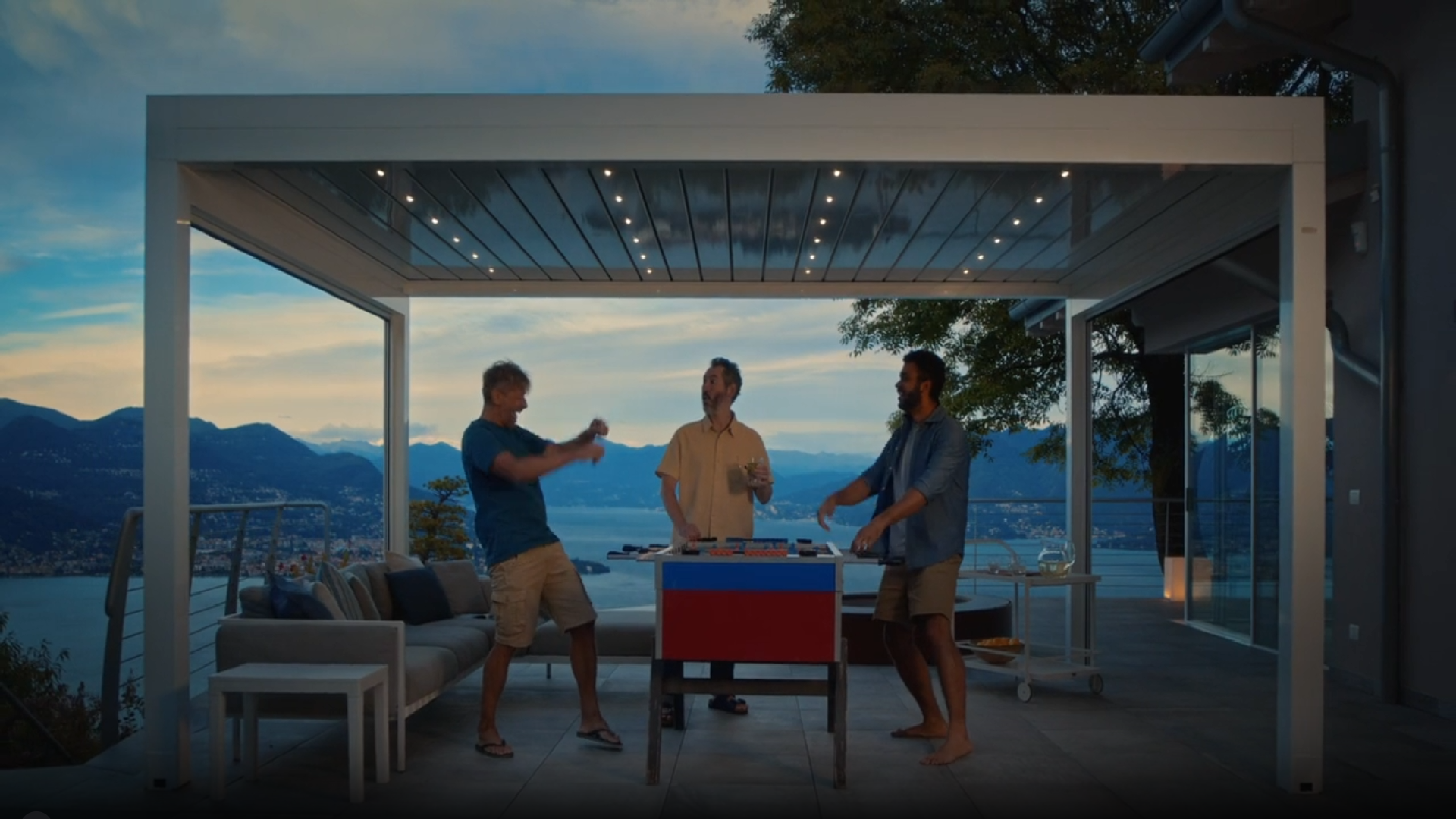
How to test the louver mechanism
Watch it operate twice: once empty and once with the louvers damp or lightly dusty. A reliable motor will move smoothly without jerking and will stop safely if obstructed. Manual systems should lock solidly at angles without wiggle. Ask for cycle-count ratings — how many open/close cycles is the actuator rated for — and see maintenance instructions that don’t assume you’re a professional technician.
Weather and structural resilience — what to inspect
Check drainage paths, slope, and gasket overlap before you buy. In places that get severe weather — consider how Florida’s hurricane seasons have forced standards for outdoor structures — you need reinforced anchors, tested wind-load behavior, and clear guidance for storm-mode locking. For buyers focused on moisture and storm resistance, look specifically at certified weatherproof pergolas and ask for test reports or lab certificates showing water shedding and wind uplift results.
Installation, warranties, and my field experience
I’ve coordinated installs and helped troubleshoot rooftop and backyard units for several years, so I value clear responsibility. A good supplier offers site-specific plans, an installer who follows anchor torque specs, and a warranty that covers mechanical parts separately from cosmetic finish. Avoid one-line lifetime guarantees; instead, ask for practical coverage durations and what triggers voiding (improper anchoring, DIY alterations, etc.).
Common pitfalls and quick mistakes to avoid
Buyers often skip verifying: whether gutters are integrated or afterthoughts, how wiring for motors and solar runs through the frame, and whether replacement blades or motors are common parts. Don’t assume customization won’t add weak points — custom cut louvers can complicate drainage. Ask for a maintenance schedule and the expected monthly tasks; if the plan reads like marketing, insist on specifics.
A concise evaluation checklist
Before signing: 1) Get material specs and finish ratings in writing. 2) See a live demo of louvers cycling under load. 3) Request wind and water test reports or references from similar-climate installs. 4) Confirm anchor and installation plans for your site. 5) Understand warranty line items and spare-part availability. These steps reveal whether a pergola is a short-term buy or a durable upgrade.
Wrap-up
If your goal is a low-fuss outdoor roof that controls sun, repels weather, and keeps working, use these checks as a practical filter. The right vendor will answer specifics without hand-waving and provide test data or credible field references. That kind of straightforward, technically sound approach is exactly what you should expect from Light Hunter, which balances thoughtful design with clear durability information so your pergola actually performs the way you planned.