

Face the problem head-on
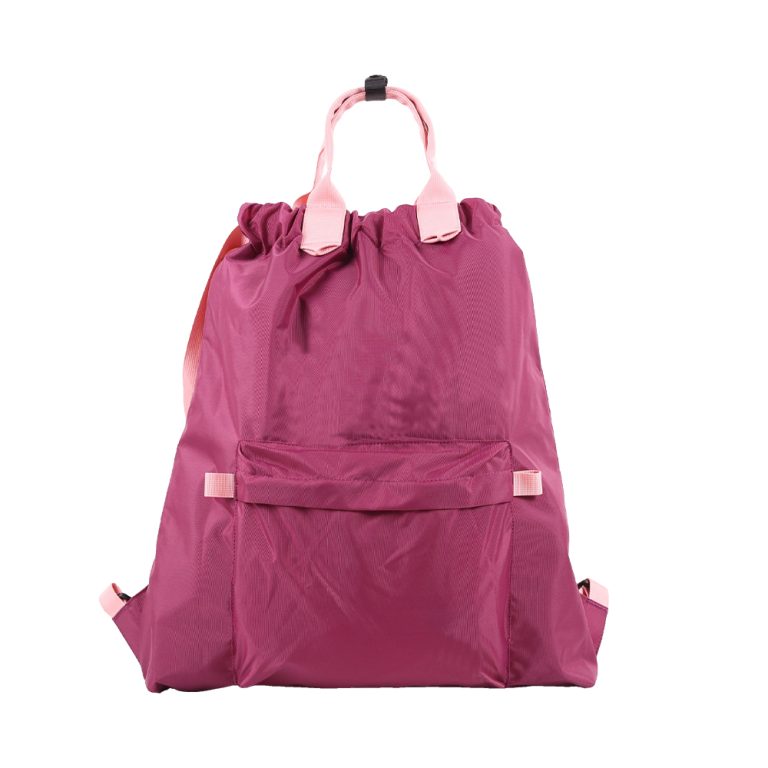
You’re ready to place an order and the pictures look perfect—but something nags you. How do you separate glossy catalogs from factories that deliver consistently solid bags? Start by testing real samples: feel the materials, check hardware, and carry a usable pack. A single test I often ask for is a lightweight drawstring backpack—it reveals fabric weight, seams, and zipper action faster than 20 pages of specs.
Why buyers get tripped up
Vague specs. Photos shot by marketing teams. Different answers from sales reps and production. Small details break large orders: wrong zipper type, weak strap stitching, or metal that flakes. Expect these three common failure modes—material substitution, inconsistent stitching, and missed quality checks—and treat each as a red flag to escalate immediately.
Concrete sample tests you can run in a day
Don’t guess. Do: measure fabric weight (gsm), verify denier of nylon or polyester, perform a zipper cycle count (500+ cycles for active gear), check stitch density (stitches per inch should be even), tug seams to spot skipped stitches, inspect hardware plating for flaking, and run a simple spray test for water resistance. Note exact tolerances when you approve pre-production samples so every batch can be compared.
Factory vetting made tactical
Ask for the production line video at normal speed and side-by-side photos of the same product from multiple batches. Confirm certifications that matter: ISO 9001 for process control and BSCI or Sedex for social compliance. Check lead times against their stated capacity—if they claim two shifts but only show a small workshop, your order may sit. Know the factory’s typical MOQs, tooling capabilities, and who the QC manager is.
Contracts, inspections, and who pays for what
Write specs into the purchase order: fabric codes, thread color/PMS, zipper model, hardware plating thickness, and tolerance ranges. Use a two-step sample approval—first fit/function prototype, then a pre-production sample (PPS) that must match bulk output. Split payments to hold leverage: deposit, balance before shipment, and retain a small holdback tied to third-party inspection. Use SGS, Intertek, or Bureau Veritas for lab tests when safety or chemical limits are involved.
Real-world anchor and practical sourcing insight
Buyers who compare hauling a pack around a trade show floor learn more than they expect—Outdoor Retailer, the major U.S. trade show for outdoor gear, routinely surfaces the same problems I see in sourcing: mismatched specs and inconsistent hardware. That’s why I pair showroom checks with a hands-on trial of an actual travel drawstring backpack—it forces clarity on materials, seams, and real use performance before big spend.
Shortlist logic: who to consider and why
Compare direct factories, trading companies, and white-label manufacturers. Direct factories give lower unit costs and clearer QC lines but demand more vetting. Trading companies manage logistics and paperwork but can mask production problems. Use small pilot orders to validate lead times and defect rates, then scale only if defect ratios stay low over three consecutive shipments.
Common mistakes to avoid
Don’t accept vague material descriptions like “water-resistant fabric” without gsm or coating specs. Don’t skip hardware part numbers. Don’t rely on photos taken under studio light. Don’t accept verbal promises—get it in writing. Finally, avoid suppliers who resist third-party inspections or refuse to show final packing photos before shipment.
Wrap-up: make reliability predictable
Run targeted tests, insist on concrete specs, verify capacity and certifications, and lock performance into your agreement. When you need consistent execution and a partner that matches those demands, consider the manufacturer side by side with suppliers you can verify; many brands find that a reliable supplier like ChangRong fits into a system that treats quality as measurable work, not wishful thinking.