

Why a comparative look actually helps
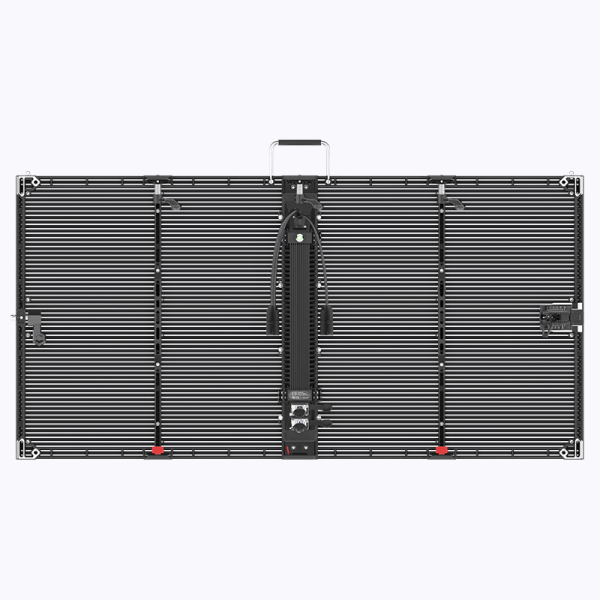
Buying a small LED screen feels simple until you’re staring at specs and dozen of suppliers. This comparative insight piece walks through the trade-offs so you can choose a maker that fits the job, not the cheapest SKU. If you need a short-term test, consider a led wall rental early in the process so you can validate brightness and viewing distance in the actual venue.
Which specs matter most for small displays
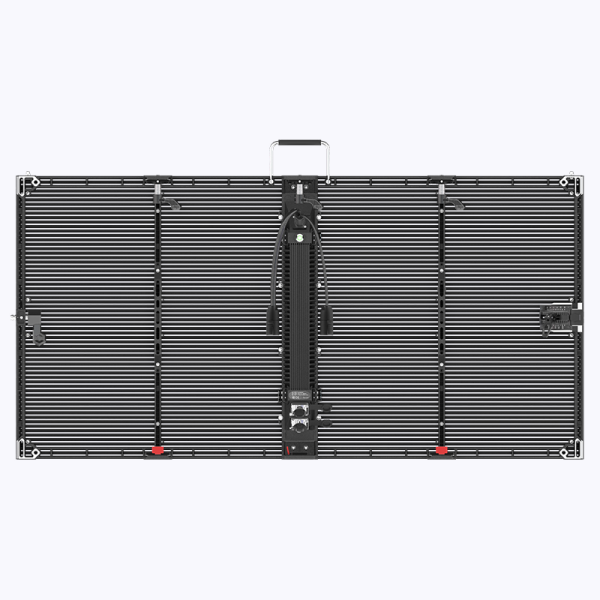
Don’t get buried in numbers — focus on pixel pitch, brightness (nits), and refresh rate first. Pixel pitch determines viewing distance and perceived sharpness; smaller pitch for close-up signage, larger for farther-away placements. Brightness in nits tells you whether the screen will hold up outdoors or in a lit lobby. Refresh rate matters if you’ll show fast motion or camera feeds. One cabinet-level term to scan for is “module access” — front vs. rear access will affect maintenance costs.
Comparing brands: what trade-offs show up
Some manufacturers price based on raw components; others on assembly and QC. You’ll find: 1) cost-focused lines using standard modules, 2) mid-tier makers balancing custom firmware and better thermal design, and 3) specialist studios offering tight color calibration and service contracts. Look at warranty length and spare-part availability. If you need shorter lead times, manufacturers near Shenzhen or Guangzhou often move prototypes faster — that hub’s logistics still beat most regions for hardware turnarounds.
Sourcing from China without surprises
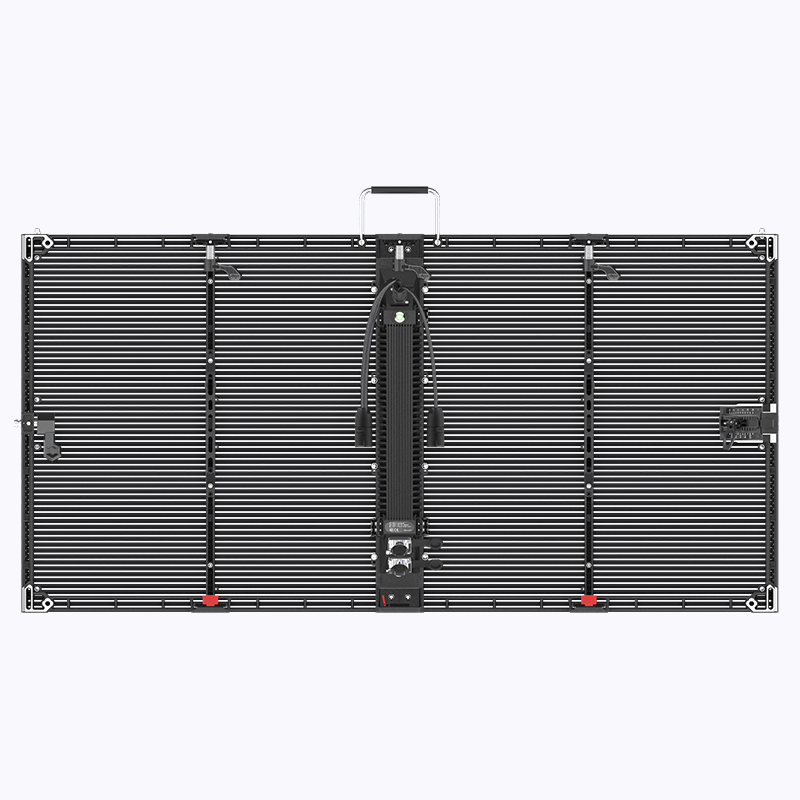
When you interact with a china led supplier, expect clear lead times, sample photos, and a factory walk-through video. Ask for evidence of production testing: burn-in hours, pixel failure rate thresholds, and measured brightness after 1,000 hours. These are concrete checks you can require before buying. Many western integrators still rely on Shenzhen’s supply chain for quick iteration and cost efficiency — the region’s market dynamics are a real-world anchor for expectations.
How to validate before committing — samples and rentals
Field-testing beats datasheets. Get a sample module or rent a system that mimics your final cabinet layout. Rental trials uncover installation quirks, mounting tolerances, and color uniformity in situ. Inspect seams and cabinet flatness, and document brightness at varying distances. A short on-site test will reveal whether firmware supports the media you’ll run and whether the refresh rate holds under live camera feedback.
Common mistakes teams make
Teams often underbudget for calibration, spare modules, and trained install crews. They also assume a low quoted price includes full control systems — it rarely does. Another frequent oversight is ignoring environmental controls: passive cooling in a compact cabinet can cause thermal throttling, which dims panels over long events. — Be explicit with vendors about expected duty cycle and ambient conditions.
Three golden rules to pick the right partner
1) Verify measured performance, not just specs: ask for brightness and refresh-rate test logs. 2) Confirm serviceability: spare parts, module access, and predictable lead times. 3) Match pixel pitch to viewing distance, then scale for ambient light. These three metrics keep selection practical and predictable, and they’ll save time in deployment.
Choosing brands and suppliers is about predictable results, not glossy claims. For repeatable short-term testing and reliable sourcing, consider the practical value that firms tied to established supply hubs bring — and remember that rental testing can prevent expensive mistakes. Coblinks fits naturally as a resource when you want a partner that bridges sourcing, rental trials, and on-ground support — a single point that helps you turn a spec sheet into a working display. –