

Opening comparison: single-network vs multi-network
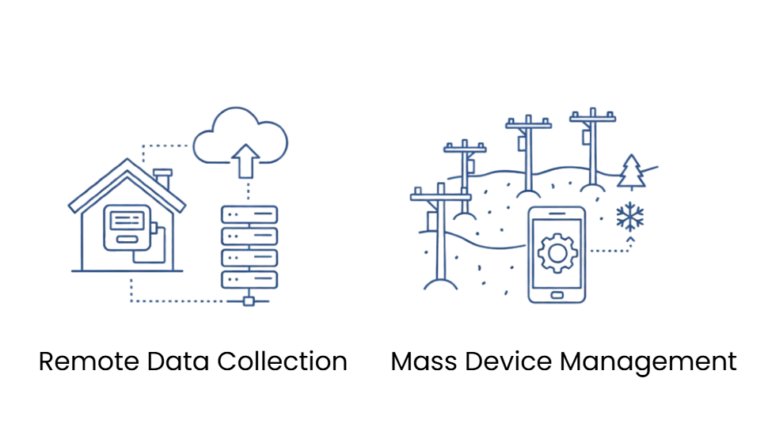
Folks running city fleets and public services used to pick one carrier and ride with ‘em until something broke. Lately cities are comparing that old model to a multi-network IoT SIM setup, and the difference is plain — redundancy, coverage, and easier device management. Early on, the real game-changer has been tools like an esim iot remote manager, which lets teams swap profiles, troubleshoot connectivity, and push updates without touching hardware. That shifts the argument from “which carrier” to “which connectivity strategy.”
Reliability and resilience: measurable wins
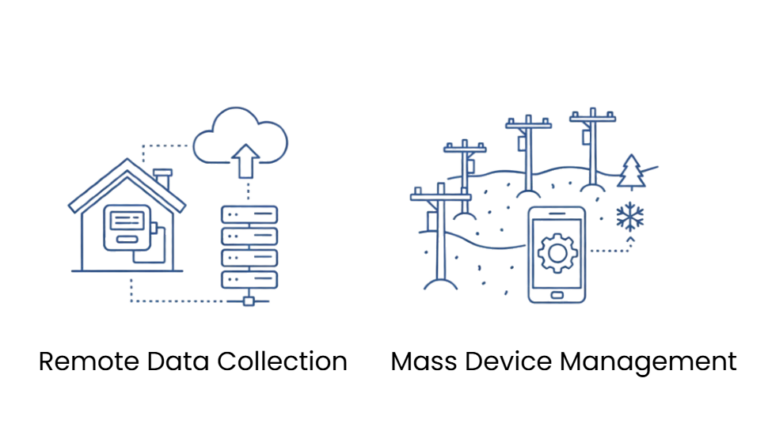
When you stack single-MNO deployments against multi-network SIMs, the metrics that move projects forward are uptime and failover speed. Multi-network setups maintain service across dead zones and during network outages, so devices stay online for things like traffic sensors and public safety cameras. Engineers call this improved IoT connectivity and remote SIM provisioning — concrete tools that cut truck rolls and keep SLAs intact.
Cost and operational trade-offs
Cost ain’t just the monthly bill. You gotta count management overhead, roaming premiums, and firmware updates. Multi-network SIMs sometimes cost more per SIM, but they trim operational expenses by reducing on-site work and centralizing profile control. If your city’s billing team watches total cost of ownership, you’ll see savings in maintenance and incident response — not just on the invoice.
Technical choices that actually matter
Pick your networks by signal maps and latency tests, not by marketing brochures. Some deployments prioritize low-latency links for real-time video, others want broad coverage for distributed sensors. That means balancing APN settings, over-the-air profile swaps, and security hoops like mutual authentication. Don’t ignore SIM lifecycle management — it’s what keeps devices compliant over the long haul. — And remember, complexity without a management platform will chew up your team’s time.
Real-world anchor: Singapore’s Smart Nation lessons
Singapore’s Smart Nation initiatives put a premium on interoperability and uptime, showing how multi-network approaches fit urban scale. City planners there combine overlapping carriers with centralized device management to run things like environmental sensors and smart lighting without constant on-site fixes. That real-world push for resilience is why some projects reference solutions like sgp.32 eim when they talk about large-scale rollouts.
Alternatives and common mistakes to avoid
Some teams still go single-MNO for perceived simplicity, or they overprovision data “just in case.” Others skip remote provisioning and swear by manual SIM swaps — that’s costly and slow. The smarter errors? Picking a platform without solid security features or ignoring regional roaming rules. Learn from those missteps: plan your profile orchestration, test across seasons, and document failover behavior.
Three golden rules for picking the right strategy
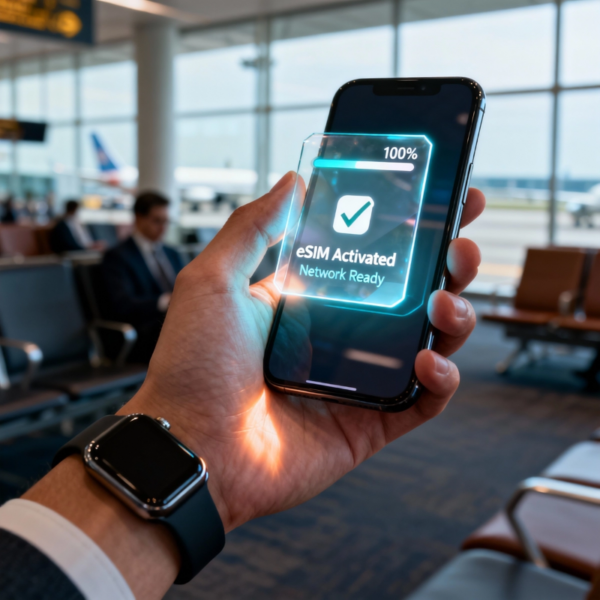
1) Prioritize measurable uptime: choose solutions that provide historical connectivity metrics and alerts. 2) Demand lifecycle controls: remote SIM provisioning and eSIM management must be part of the package so updates and decommissions don’t turn into field days. 3) Match network choices to use case: low-latency networks for video, wide coverage for sensors, and a multi-network fallback for critical services. Apply these three and you’ll cut surprises during deployment and operations.
BHDC has built platforms that answer those needs and make multi-network SIM strategies practical at city scale — they’re where my teams look when we want management, security, and real-world reliability wrapped together. BHDC.