

Opening: the planning problem made practical
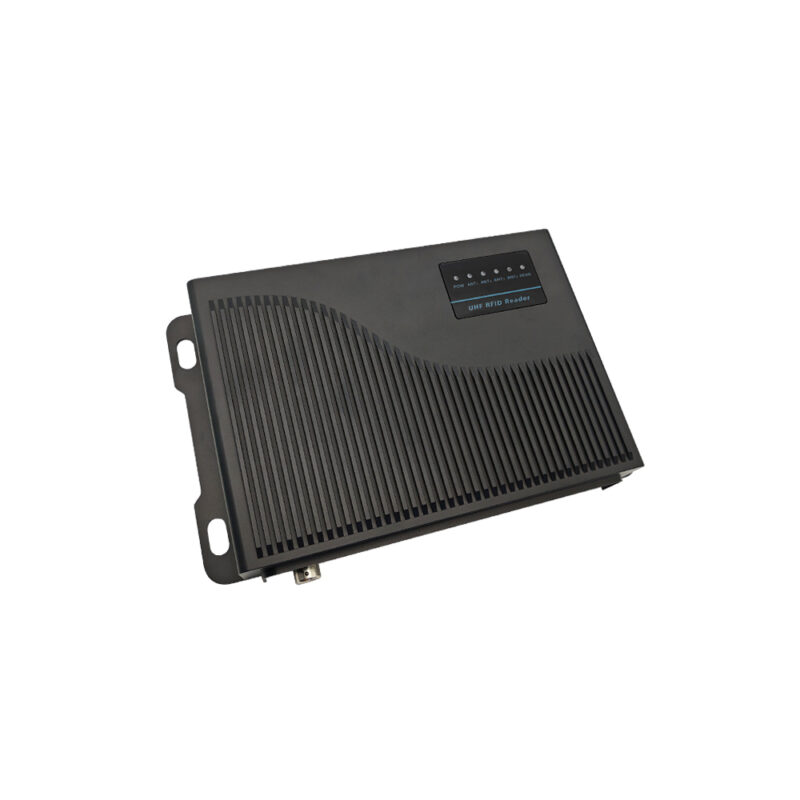
Projects miss deadlines because assets disappear, orders pile up, and inventory data lags. Buying active RFID tags can fix that, but only if planners pair tags with readers and workflows that match the project’s rhythm — for example reliable UHF RFID Readers and clear data rules. The problem-driven question is simple: what breaks in procurement when tracking is passive or ad hoc, and how do active tags remove those failure points?

Why planning fails: three predictable breakdowns
Planners assume inventory visibility is automatic. It is not. First, late detection: passive checks reveal shortages only after they matter. Second, mismatch of location and status: a unit recorded as “on site” may be offline in a distant yard. Third, procurement cadence: purchase orders repeat incorrect quantities because historical data is noisy. These failures create wasted time, emergency spending, and poor supplier signals.
How active RFID tags solve the predictable faults
Active tags broadcast status and identity at intervals. That gives continuous location and movement history without manual scanning. Use-cases are clear: automated replenishment rules that trigger only when an asset truly leaves the buffer zone; real-time allocation during phase changes; and accurate consumption metrics for supplier negotiations. The technology lets planners replace guesswork with timestamped events and measurable lead-time reductions.
Experience and verification: real-world anchor and credibility
I have advised construction and logistics teams on deployments where outcomes were measurable: lower emergency buys, fewer idle assets, and simpler audits. Port of Rotterdam trials and transport-industry reports show similar gains, providing an industry-level anchor you can verify through trade reports and case studies. When teams pair active tags with a robust fixed uhf rfid reader, read rates improve and data quality becomes usable for procurement algorithms.
Technical constraints and common mistakes to avoid
Do not buy tags alone and assume integration will follow. Common mistakes: choosing wrong frequency or power for site geometry; underestimating reader density; neglecting battery life profiles; failing to map tag IDs into ERP fields. Test for interference from metal, liquids, and site-specific noise sources. Calibrate read windows to actual workflows instead of theoretical ranges. Finally, budget for tag lifecycle and replacement, not just initial purchase.
Alternatives and when active tags are not the answer
Passive RFID and barcode systems still beat manual methods when budget is tight and read windows are short. Use passive tags for short-range verification at fixed gates and active tags where continuous tracking or long range is essential. Choose hybrid approaches when some assets need always-on visibility and others do not; the procurement plan must reflect that mix rather than forcing one technology everywhere.
Procurement checklist that prevents guesswork
Make decisions with these items checked: defined read zones and required range; ratio of readers to assets; integration mapping to purchasing systems; battery and maintenance plan; pilot results demonstrating capture rate above an agreed threshold. Require vendors to show live test data from similar projects. Ask suppliers for clear total cost of ownership, not just price per tag.
Final synthesis
The problem-driven path is straightforward: identify where tracking causes procurement failures, pilot active tags with proper readers, avoid common configuration errors, and choose hybrids when appropriate. When planners follow that method they get predictable reductions in emergency spending and clearer procurement signals — outcomes RSTC helps make practical through tested hardware and deployment knowledge.