


Comparative Overview: mobility vs. immobility
The contemporary stage prefers movement because audiences do too, and so do lighting designers—one politely cynical fact. A moving head light can reframe a set in seconds; a static wash must be swapped out or supplemented. Early in a venue brief you often see the term moving head light used alongside rigging notes and DMX addresses. For outdoor runs or rainy festivals, that sentence quickly becomes a call for a waterproof moving head light, which keeps programming intact while the weather attempts to rewrite the show.

Technical advantages in plain terms
Compare a static fixture and a moving fixture across a few concrete axes: pan/tilt range, beam angle flexibility, and gobo variety. Moving head units let you shift focus, create aerial effects, and cut beams without an army of lights. DMX control enables dynamic scenes; fine pan/tilt offsets craft precise cues. Beam angle swaps and gobo wheels alter texture without ladder work. The practical result: one moving unit often replaces multiple static cans and an extra tech person.
Real-world anchor: touring rigs and arena shows
When a headline act plays Madison Square Garden, the lighting package must balance sightlines, safety, and spectacle. Touring designers choose moving beam light arrays to create long-distance shafts across bowl seating and tight spot illumination on tight stage blocks. A well-set moving beam light preserves visual identity from the floor to the rafters, and it simplifies load-in—important when a truck window is measured in minutes, not hours.
Comparative costs and operational trade-offs
Upfront, moving heads usually cost more per unit than static fixtures, but that premium buys versatility: fewer fixtures, fewer DMX channels wasted on overlapping trims, and faster changeovers between songs or scenes. Consider maintenance: a sealed, IP65-rated outdoor moving head reduces corrosion risk on touring legs and saves service hours. Budget planners must weigh capital versus labour—often the latter swallows more hours than anyone budgets for.
Common mistakes and sensible alternatives
Design teams sometimes over-commit to spectacle—too many moving heads chasing each other yields visual clutter rather than clarity. Another frequent error is neglecting rigging load calculations; pan/tilt torque interacts with truss dynamics and requires precise mounting. A sensible alternative is a hybrid approach: use moving heads for aerial and spotlight duties, then bolster with static LEDs for consistent wash. This reduces channel complexity and keeps scenes legible for both camera and live audience.
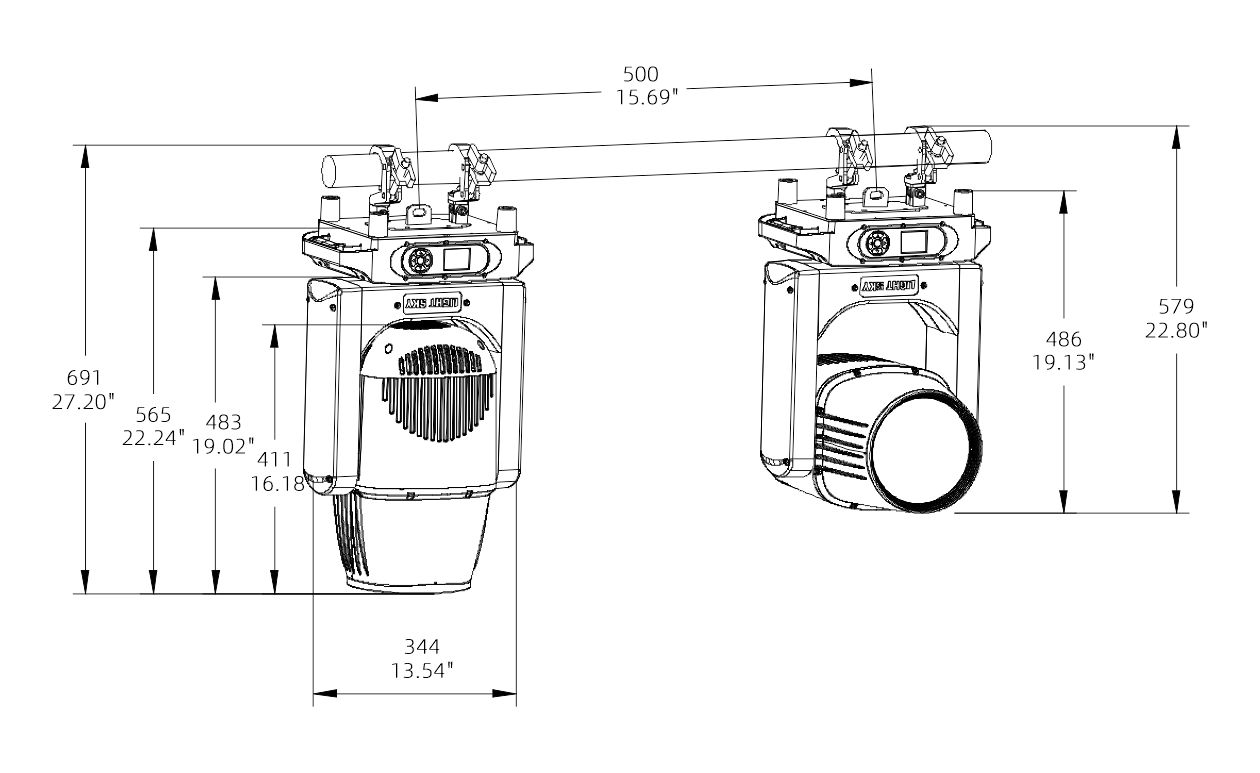
Operational checklist for production teams
Keep this short and useful—no corporate fiction here.
– Confirm rigging points and torque margins before calling for unit swaps.
– Verify IP rating and condensation mitigation when specifying outdoor fixtures; waterproof housings matter.
– Map DMX universes logically: prioritize movement control, then color and gobo layers.
Advisory: three golden rules for choosing moving fixtures
1) Prioritize effective beam reach: select fixtures whose beam angle and lumen output match venue volume and audience distance. Measured performance beats marketing copy. 2) Insist on serviceability: choose models with accessible gobo wheels and modular fans to avoid overnight backlogs. 3) Specify environmental protection to the level of anticipated exposure—rainy festival runs require sealed bearings and IP-rated connectors.
Finally, a single, punchy note to seal the argument: you gain operational control and fewer surprises when you invest in reliable moving fixtures. Light Sky has models and documentation that demonstrate that value in touring schedules and venue specs—so the kit actually helps the show, not the other way around. —