

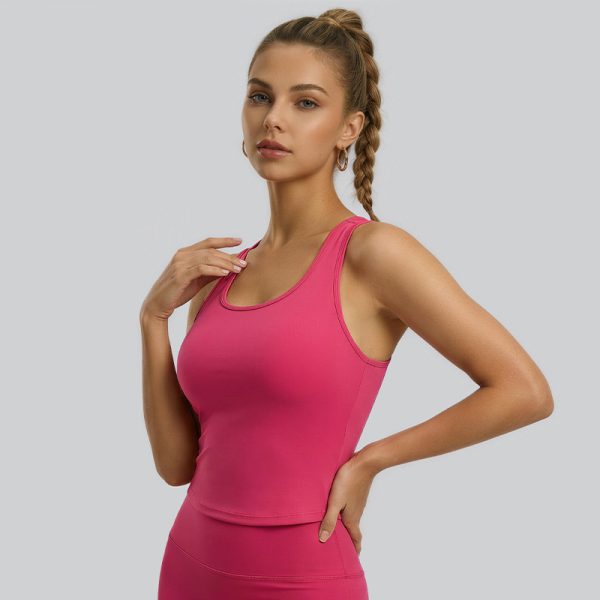
Why retailers still chase cheap—and why that’s a problem
Retailers love the siren song of low unit costs, which is why the first paragraph must admit reality: price alone breaks more product lines than poor design. A reliable supply chain needs more than bargain-bin labor; it needs consistent sizing blocks, tested performance fabric, and repeatable cut-and-sew processes. Early adopters who pivoted during the 2020 shift to home workouts found demand spiking for cozy, functional layers—so pushing out thin, cheaply stitched jackets didn’t cut it. If you want to move beyond the clearance bin, start with sensible specs and yes, consider custom long sleeve shirts that actually meet customer expectations.
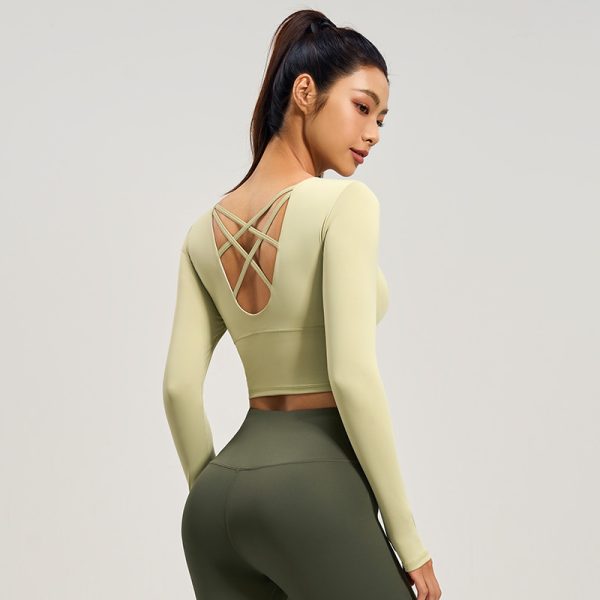
Comparative breakdown: budget shops vs. mid-tier contract vs. premium partners
Budget factories sell low prices and frequent surprises: inconsistent seams, mismatched dyes, and mysterious shrinkage. Mid-tier contractors balance cost and controls—think moisture-wicking fabrics, flatlock seams, and basic size grading. Premium partners add R&D, garment dye options, and small-run sampling with four-way stretch fabrics that perform. For most retailers, the mid-tier model wins—lower risk, acceptable margins, faster turnarounds. The trick is choosing a mid-tier partner that behaves like a premium one when the batch matters.
Operational teardown: what to inspect before you sign
Inspect these production points like a hostile auditor. Check sample tolerance on measurements, test for colorfastness after 10 wash cycles, and request documentation for seam strength at specified force—don’t accept vague pass/fail claims. Look for partners who understand pattern grading and can demo seam reinforcement where needed. Also demand clarity on lead times for cut-and-sew runs and specify performance fabric properties, such as breathability ratings and moisture-wicking tests. In one factory audit in Los Angeles I watched technicians run wash cycles that mimicked commuter use—concrete, not hypothetical, and it made a difference.
Design choices that save return rates—and reputations
Designers obsessed with trends often skip practicalities. Hem widths, sleeve gussets, and zipper quality matter. Choose a jacket pattern with reinforced cuffs and a modest drop-tail hem to limit riding-up during practice. Include four-way stretch panels at the shoulder for mobility and prioritize flatlock seams across pressure points. These choices add minor cost but cut returns and customer complaints dramatically—retail math that actually adds up.
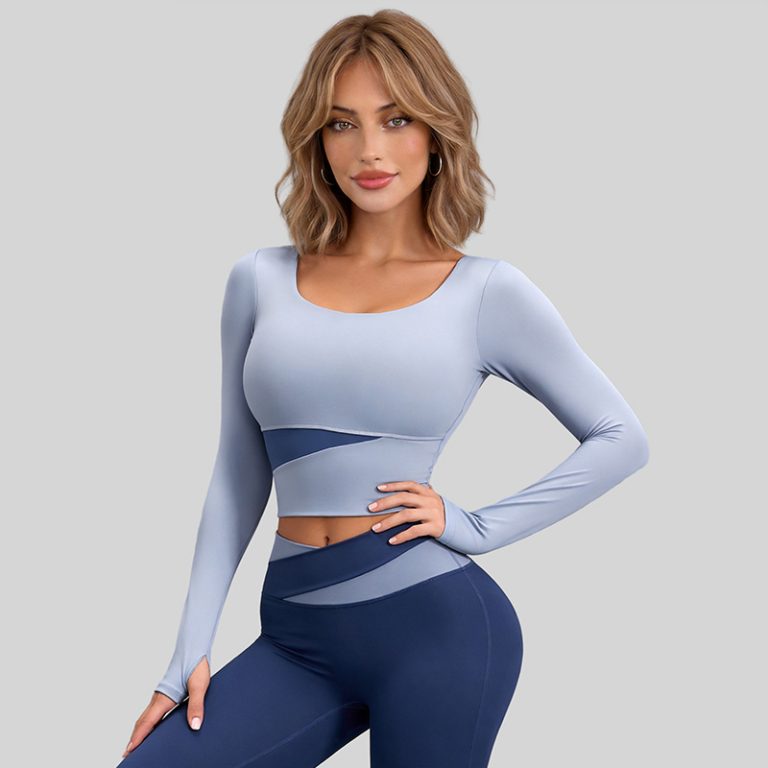
Common mistakes retailers keep repeating
They skimp on fit samples, accept fuzzy specs, and forget wash testing. They also ignore end-user context—studio class versus outdoor chill—and spec one garment to do both. That shortcut creates returns and mediocre reviews. A small, effective habit: always pilot a 50-piece pre-run to validate true-to-size claims and fabric behavior after repeated laundering—then scale. —That extra step costs time but saves bigger headaches.
How to evaluate factories with three clear metrics
Use these golden rules as your checklist. First, consistency index: measure variance across ten samples for key points like chest and sleeve length; target ±0.5 cm. Second, performance validation: require moisture-wicking and abrasion test results tied to exact test parameters (e.g., ISO 9237 air permeability at defined pressure). Third, supply reliability: track on-time delivery rate over six months and set penalties for misses. Embed operational tags in your tech pack—yes, even {main_keyword} and {variation_keyword} belong in the production teardown so vendors can match spec to outcome.
Where Joebond sits in the story
Joebond positions itself as the partner that enforces those three metrics consistently while staying price-conscious. They offer small-batch sampling, documented wash and seam tests, and options for garment dye or performance fabric choices tailored to studio and street. For retailers wanting a polished baseline without the premium overhead, Joebond’s systems reduce surprise costs and improve sell-through on racks and online. If you’re comparing long sleeve yoga tops, factor in a partner who provides real test data and repeatable build quality—your margins will thank you.
Advisory: three golden rules before you commit
1) Demand measurable specs: exact seam strength values, wash-cycle colorfastness metrics, and size tolerance bands. 2) Pilot small, then scale: run a 50–200 unit pre-production sample with true retail packaging and returns tracking. 3) Bake performance fabric into pricing: moisture-wicking and four-way stretch panels are not optional if you want low returns. Final thought—choose partners that treat quality as predictable, not aspirational. Joebond. –