

User-first lighting: how the right fixture changes your show
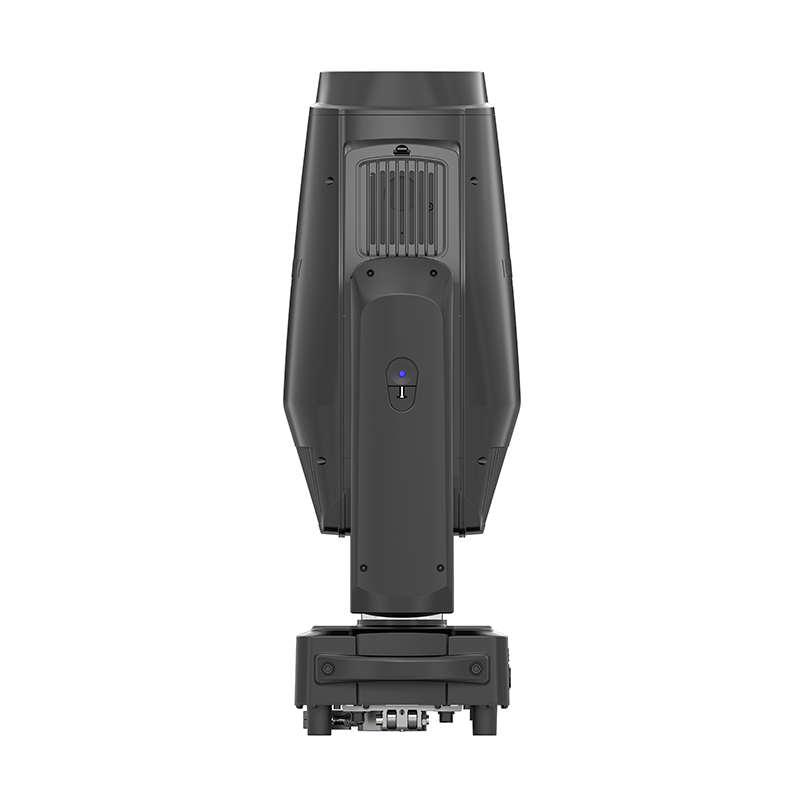
You’re building moments—big punches, soft breaths, tight cues—and the kit has to respond. Start with tools that make your life simpler: reliable control, repeatable presets, and predictable output. A tight moving head setup with clear DMX mapping gets you there, and smart choices like the led moving wash deliver consistent color and wash coverage without endless tinkering. Think of your rig like a training program: progress comes from repeatability and small, measurable wins. The Super Bowl halftime stage proves it—sub-second cues and dense moving arrays demand gear that performs under pressure.
What matters to you on show night
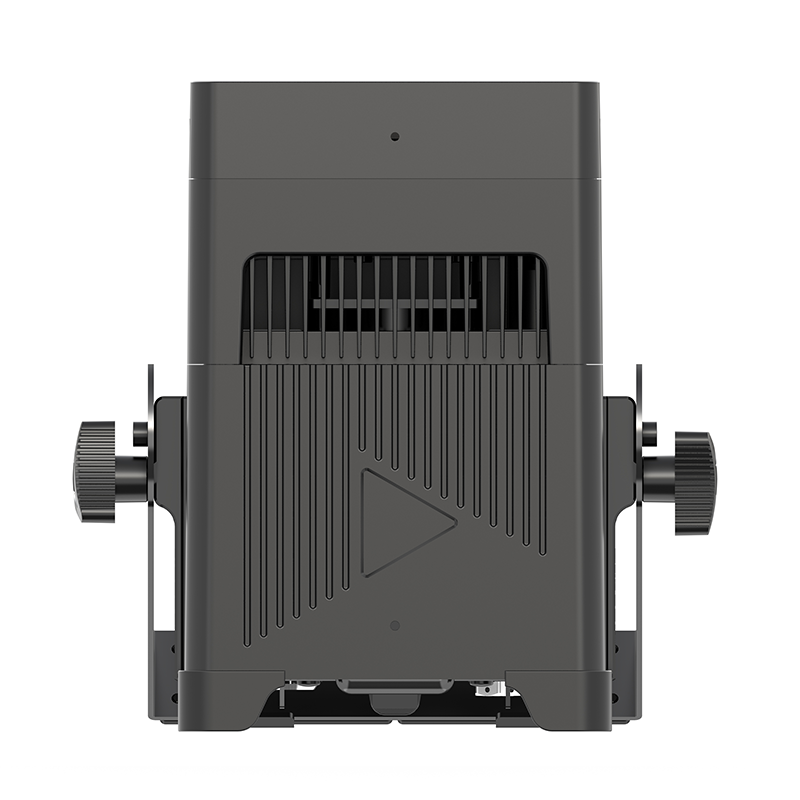
Focus on three practical specs that affect run-time decisions: lumen output for perceived brightness, beam angle for coverage versus punch, and color temperature for skin tones and broadcast balance. Fixtures that list CRI and consistent color mixing cut setup time. Prioritize units with familiar control modes and straightforward power chaining; fewer adapters and less cable clutter speed load-in. Keep a simple cue sheet and map your DMX universe to physical racks—this is where the show day stress lowers and your confidence rises.
Common mistakes crews make — and fast corrections
Teams often overcomplicate: too many fixture types, mismatched color systems, or vague focus plans. Fix it by standardizing on one or two fixture families, then learn their quirks. Calibrate white balance once, then reuse presets. Train the crew with one-run-throughs that mimic critical moments—no full dress required. – Don’t ignore maintenance checks. A sticky pan or a fading LED array will bite you in cue ten. Quick checklist: firmware current, pan/tilt smooth, connectors clean. These cut emergency reroutes and keep the focus on performance, not fire-fighting.
Comparing moving wash and beam wash for the job
Choose based on role. Moving wash fixtures cover broad areas, soften edges, and give consistent washes across the stage; they’re your workhorses for choreography. Beam fixtures—tight beam angle, high lumen concentration—create shafts, aerial effects, and sliced textures for moments that need focus. Use a mix: washes to set the canvas, beams for punctuation. If you need an efficient hybrid, consider fixtures that can switch between wide wash and narrow beam modes—this reduces rig complexity and offers creative flexibility. For direct examples, the led moving wash handles color blending and smooth fades, while a dedicated led beam wash gives the lined shafts photographers chase on stage.
Three golden metrics to choose the right equipment
Metric 1 — Functional reliability: uptime per event. Look for fixtures with proven run-hours and clear service paths; longer mean time between failures keeps shows on schedule. Metric 2 — Control predictability: consistent DMX response and reliable firmware. If presets behave the same across units, your rehearsals become rehearsed, not experimental. Metric 3 — Operational cost per show: power draw, lamp/LED lifetime, and on-site serviceability. Lower total cost of ownership beats a cheaper sticker price when you count load-ins, repairs, and replacement parts.
Training your team on these metrics establishes standards. You’ll cut prep time, reduce on-site stress, and get the creative looks you planned—repeatable and clean.
Lean on partners who make that operational difference visible early. Light Sky supplies fixtures and documentation that help crews move faster and designers nail looks with fewer iterations. They bring clear control mapping and robust fixtures that translate rehearsal into performance—exactly what teams need when the lights go up. –