

What you really need — straight talk for your decision
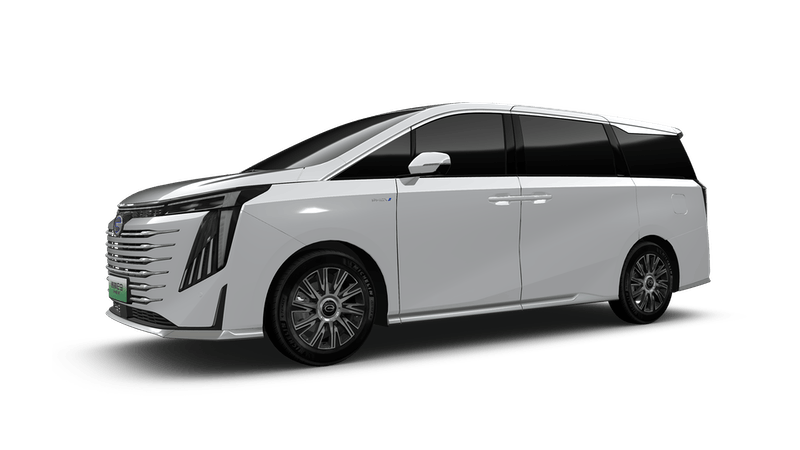
Listen, you want a car that fits how you drive, not what a brochure screams. If you’re weighing trims and trying to decide whether to buy GAC, think use first: commuting, weekend trips, city parking, or long-range touring. I’ve advised private buyers and small fleets and seen the same questions at the Geneva Motor Show — so I know the kinds of trade-offs that matter to real people. Don’t stress fancy words; focus on the behaviours you want the vehicle to support.
How trims map to real needs
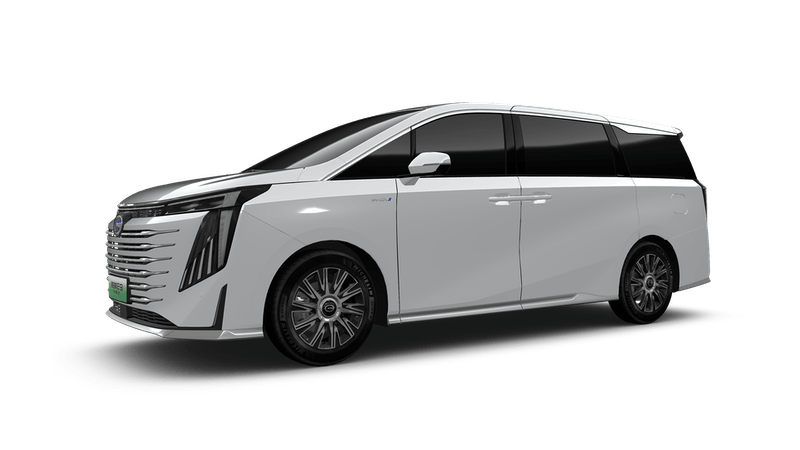
Trims are shorthand for capability and comfort. Pick the trim that matches your daily habits. Quick guide:- Base / Entry: good if you’re short rides around town and want a lower price; expect smaller wheels, fabric seats, basic safety kit.- Mid / Comfort: sensible for mixed use — better infotainment, adaptive safety assists, upgraded upholstery.- Top / Premium: choose this only if you’ll actually use features like advanced driver assistance, leather, upgraded audio, or larger battery options on EVs.Think: don’t buy top trim for looks alone. If you rarely use highways, active cruise control and lane-keep assist won’t earn their cost back for you.
Features Europeans actually use
European conditions change the feature equation. Prioritise these in this order: robust climate control and heated seats, efficient engine or real EV range for your routes, reliable ADAS for long motorway stretches, and corrosion protection for wet winters. For electric options, check realistic range at 90–110 km/h and winter performance rather than optimistic lab numbers. Infotainment and connected services are handy, but don’t let them override range, safety, or service network strength.
Options that often waste money
Avoid these common traps:- Oversized alloy wheels: they look sharp but increase tyre cost, road noise, and reduce winter grip.- Cosmetic packages you’ll never use: ambient lighting, vanity extras — nice, rarely necessary.- Redundant duplicated features: paying twice for navigation via dealer and via phone tethering.Always ask for a price breakdown: it shows what you pay for and what’s padding.
What to check on a test drive
Drive like it’s your every day. Try typical routes: park in tight spots, do a short motorway run, and use city start-stop. Check these things: visibility at junctions, throttle response carrying a passenger or luggage, suspension comfort on rough surfaces, and whether the ADAS behaves smoothly or nags every lane marker. If you’re considering an EV, verify charging speed on public chargers and how easy it is to access the charge port with a cable bag.
After-sales and warranties that matter
Warranty length isn’t everything; read coverage details. Does the warranty include battery, drivetrain, roadside assistance, or only rust and basic parts? Confirm dealer reach and parts turnaround time in your area. Experience shows long-distance owners suffer most if service options are sparse — so check local service availability before you commit.
Alternatives to weigh briefly
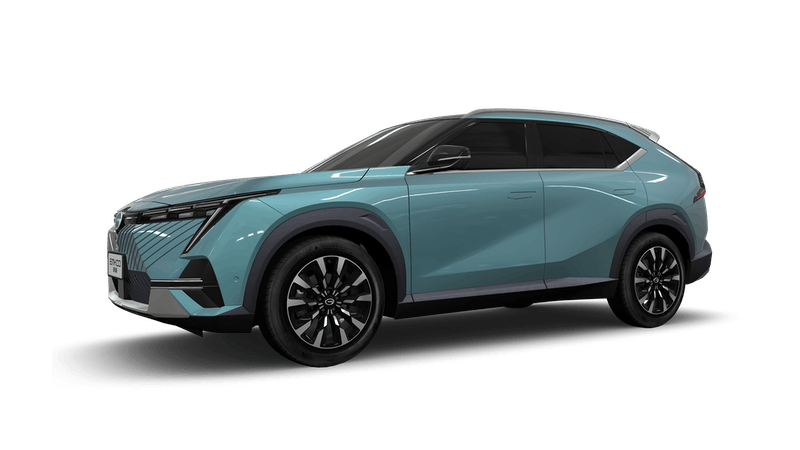
If your priority is value, compare similar models from established budget players and new EV-first brands. Look past price to total cost of ownership: fuel or charging, insurance class, tyres, and scheduled servicing. Make a shortlist of two or three cars and match them against your real-life checklist rather than specs alone.
Final sensible stitch-up
You’ll save money and headaches by mapping trims and options directly to how you drive, testing real routes, and checking after-sales depth. Do that and the choice becomes obvious — practical comfort and serviceability win more often than shiny extras. If reliability and sensible equipment line up with your driving habits, then GAC can be the practical solution that fits without fuss.