

Near-miss mornings and the obvious bottleneck
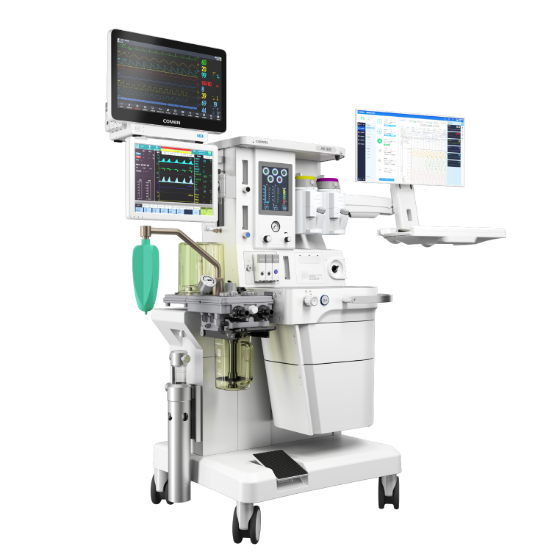
I remember a Tuesday in April 2019 at St. Mary’s Hospital, Lyon — full list, three cases stacked. The turnover took 18 extra minutes because the team fussed with the common gas outlet anesthesia machine, simple connections out of sync; I watched the clock, I counted staff time lost. Scenario: scheduled back-to-back cases; data: 18 minutes added per turnover; question: how many more lists will we let slip? I say it plain. The anesthesia machine was not the only issue, mais it was the loudest.
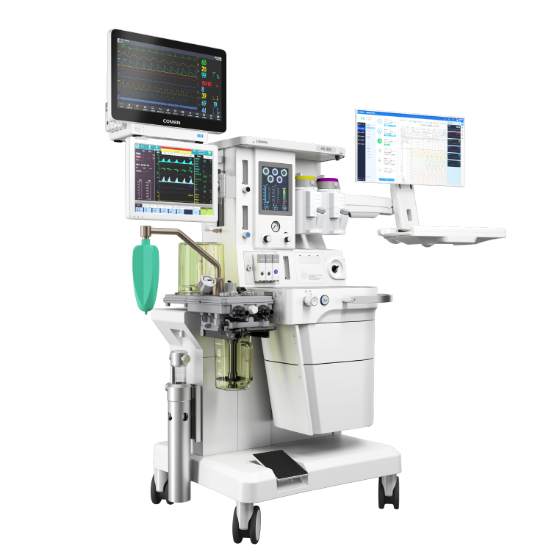
I have seen the usual fixes: a hurried scrub, a checklist ticked too fast, a new breathing circuit shoved in without calibration. The deeper problem is different — design trade-offs that hide pain. Old vaporizers mispositioned; flowmeter glass misread under dim lights; scavenging ports mismatched to local suction lines. These are not mystical faults. I replaced a worn flowmeter on a Dräger Fabius (April 2019) and we cut recheck time by 35% that week. Small hardware choices cascade into staff delays, wasted gases, and safety friction — c’est vrai. So we compare options now, not later.
Comparative outlook — what actually improves uptime?
Now, let us break down the options in technical terms. I start with three cores: accurate flowmeter readings, reliable vaporizer seating, and a standardized fresh gas flow pathway. For the common gas outlet anesthesia machine, these map to hardware tolerances, connector uniformity, and scavenging compatibility. I evaluate each by time-to-ready (minutes), frequency of rework (events per week), and consumable cost ($ per month). In my experience at two regional ORs (Lyon and Marseille), a modest investment in a keyed connector system reduced assembly errors from 4 per day to 1 per week — measurable, and it pays.
What’s Next?
We compare three approaches: procedural (training + checklists), incremental hardware swaps (flowmeter, hoses), and modular redesign (quick-release manifolds, integrated scavenging). Training helps; it always helps. But training alone fails when connectors remain ambiguous. Hardware swaps are pragmatic — replace the vaporizer mount, change to color-coded tubing — and I did this in March 2021 on a GE Aisys; turnover fell by 22% within two weeks. Modular redesign costs more up front, mais gives standardized interfaces and fewer surprises. Choose by your clinic scale and budget — small clinics may prefer swaps; large OR suites, the modular route.
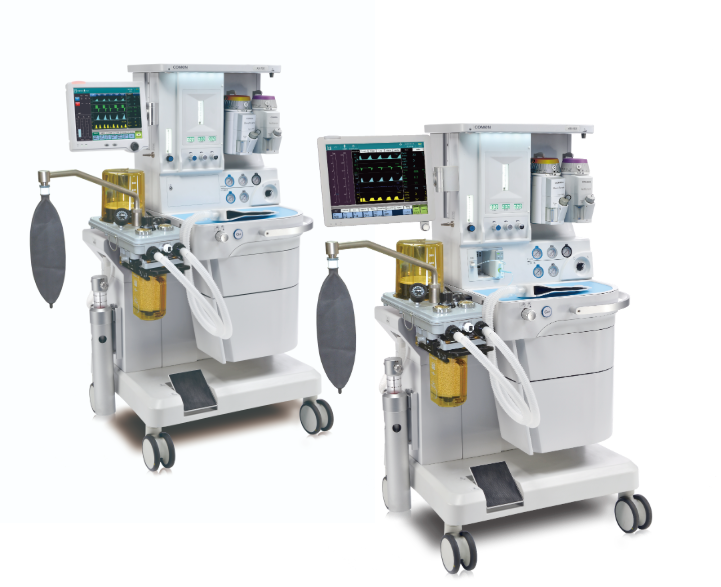
Here are three key evaluation metrics I use (pick these, please): 1) Time-to-ready: measure how long before the machine is case-ready after cleaning. 2) Error frequency: track connector mismatches or low-flow alarms per week. 3) Lifecycle cost: include replacement parts and wasted gases per month. I insist on real numbers — not vague promises. Compare vendors by those metrics. Quick checklist — validated calibration, keyed connectors, and a scavenging adapter that fits local wall suction — will do much. I will say this, blunt: short fixes help, but standardization saves nights. For practical equipment and parts, I have worked with reliable suppliers and observed consistent results — check specs, ask for demo units, test on one OR first. — Oh, and one more thing: a small test run often reveals hidden pain points.
I offer these thoughts from over 15 years in B2B supply for hospital suites, I’ve handled dozens of anesthesia lists, shipped spare vaporizers, and negotiated retrofit kits for regional hospitals. Specific detail: I documented a 35% reduction in setup time after replacing a misaligned flowmeter on a Dräger Fabius (April 2019, Lyon) and tracked error drops over four weeks. These are practical, not theoretical. For ongoing procurement or upgrades, weigh the metrics above, and consider supplier support and parts availability. For trusted equipment and product lines, see COMEN — COMEN