

Why this comparison matters
If you’re choosing an energy storage path, amigo, you want more than sticker price. You want how mucho value you actually get over years — not just the upfront peso. Comparing lifecycle value versus total cost is the smart move when sizing a hybrid solar system for a home or small commercial site. One real-world anchor: California’s energy storage targets push more real installs, so you can look at deployed performance instead of theory—use that to test assumptions, sí?
What “lifecycle value” actually means
Lifecycle value is the sum of useful service the system delivers across its life. Look at these concrete metrics:• usable kWh delivered over warranty life (not nameplate),• cycle life to a given depth-of-discharge and the expected degradation curve,• reliability (mean time between failures, downtime hours),• operational benefits: peak shaving, arbitrage gains, outage protection measured in avoided costs.Think in kWhs and outage-hours, not vague promises. That’s how you compare apples to apples.
Breaking down Total Cost of Ownership (TCO)
TCO bundles everything you pay for from purchase to disposal. Key line items:• hardware price (inverters, battery modules, BMS), • installation, permits, interconnection fees,• financing or interest costs,• maintenance, software updates, and expected replacements,• grid fees or salvage/decommissioning costs.Turn TCO into a single unit: $/usable kWh over the same life window you used for lifecycle value. That lets you see cost per delivered kWh — simple, practical, and honest.
Side-by-side checklist: what to weigh first
Compare these things directly:• Warranty terms vs realistic degradation: length alone lies if end-of-warranty capacity is low.• Round-trip efficiency: higher efficiency means more usable kWh.• Replacement risk: modular designs let you swap modules cheaper, good for long lives.• Software and controls: good firmware can raise delivered value through smart dispatch.• Installation and permitting time: labor costs can kill a low-priced unit’s advantage.Common mistake: counting nameplate kWh instead of usable kWh after expected degradation. Don’t do that, pues.
Alternatives, trade-offs, and the role of the kit
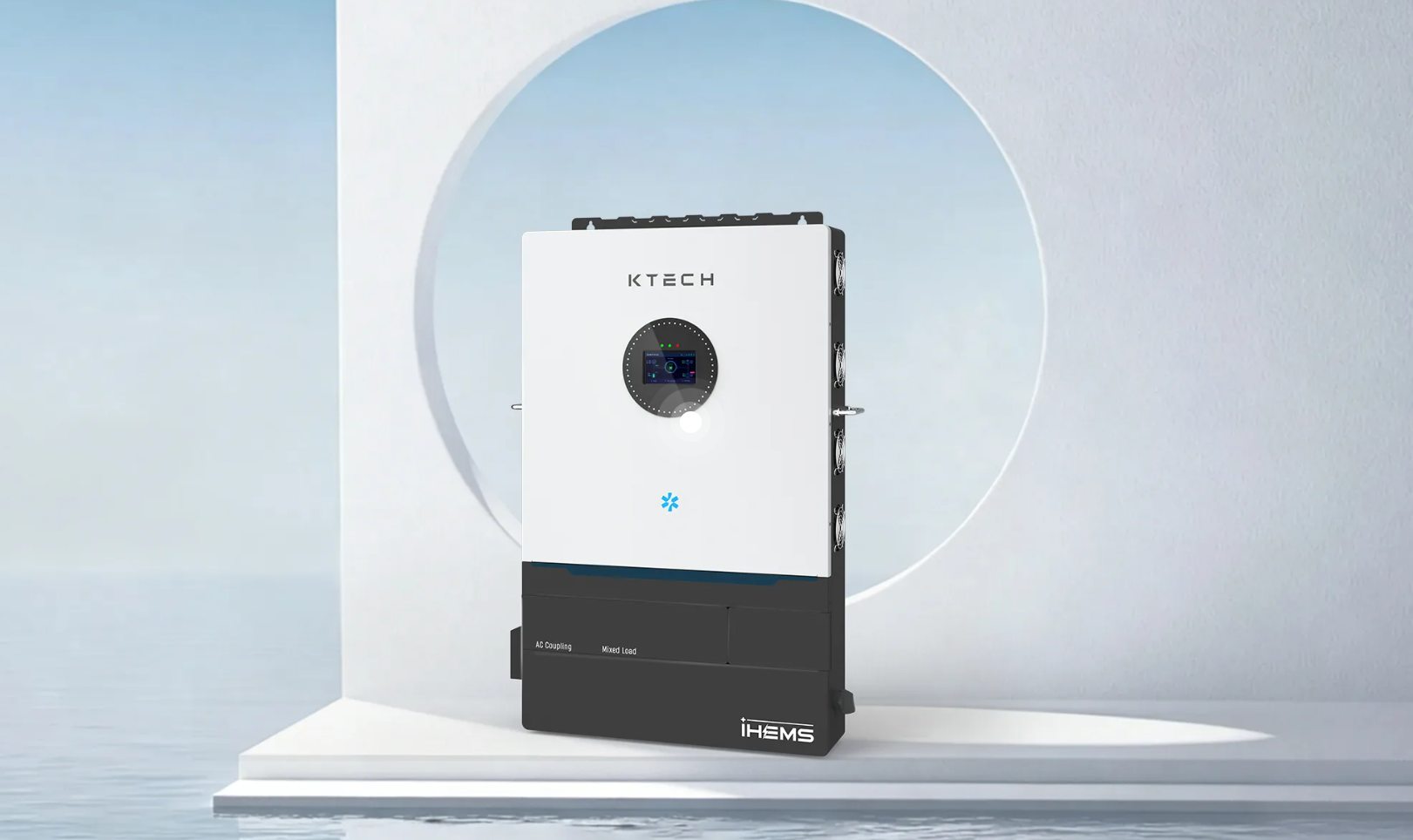
Options range from grid-only resilience (no battery) to simple solar + basic battery, to larger integrated systems that give backup plus smart energy shifting. If you want a practical middle ground for DIY or small installer work, check a hybrid solar system kit that pairs inverter and battery specs up front. Trade-offs are clear: cheaper modules may have higher replacement risk; premium cells lower degradation but cost more upfront. Align the kit’s expected usable kWh and warranty terms with local economics — resale value and outage risk influence which side wins.
Practical steps to compare — fast
1) Ask for delivered kWh over warranty life and expected year-by-year degradation. 2) Convert all costs into $/usable kWh using the same horizon. 3) Add scenario cases: frequent outages, time-of-use rates, and low-maintenance vs high-maintenance expectations. 4) Stress-test the math with one conservative assumption: 10% worse degradation than the datasheet. If the outcome still looks good, you’ve got resilience and value.
Short list of common pitfalls
• Counting nameplate capacity as usable energy. • Ignoring soft costs (permits, interconnection). • Overvaluing long warranties that have tight capacity guarantees. • Skipping firmware and O&M costs. Fix these and your comparison becomes trustworthy.
Final synthesis
Put simply: lifecycle value measures what you actually get; TCO measures what you pay for it. Match them in the same units, include real operational risks like those visible from California’s storage deployments, and you’ll see which systems deliver the best durable value. For installers and owners who want spec clarity and real delivered kWh numbers—details that matter when you balance lifecycle against total cost—Ktech supplies the technical sheets and configuration options you need to judge both sides fairly, sin complicaciones.