

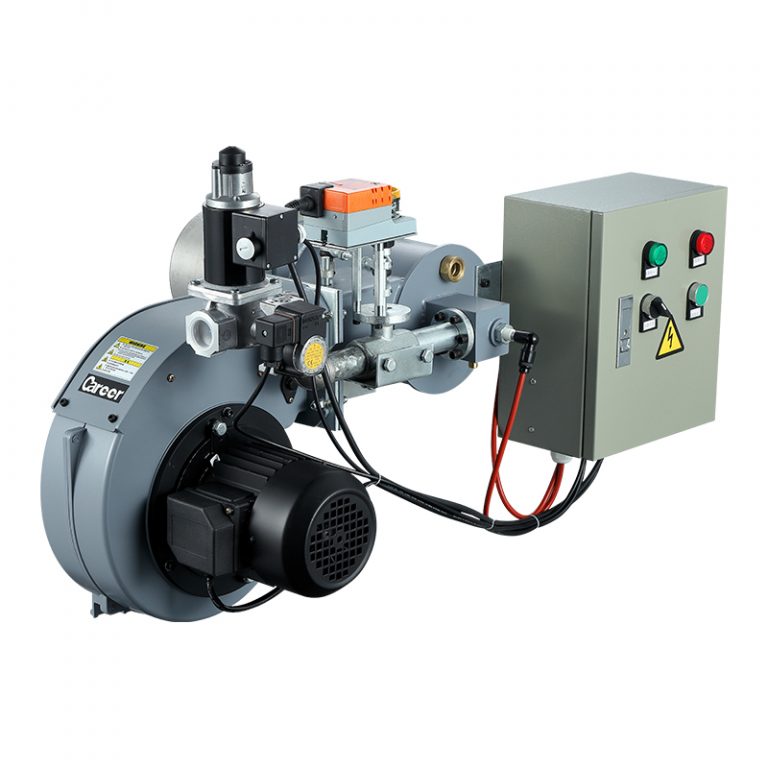
The problem: elevated NOx from industrial combustion
Many process plants face a straightforward problem: existing burners produce NOx above modern permit levels, forcing operational limits or retrofits. Choosing a suitable industrial gas burner is often framed as an equipment purchase, yet the real issue is integrating combustion control, site constraints and regulatory thresholds so they work together. Regional suppliers and service teams shape how rapidly a site can act; for example, regional hubs such as the West Midlands host experienced industrial gas burner suppliers who know local permit practices and typical plant layouts.
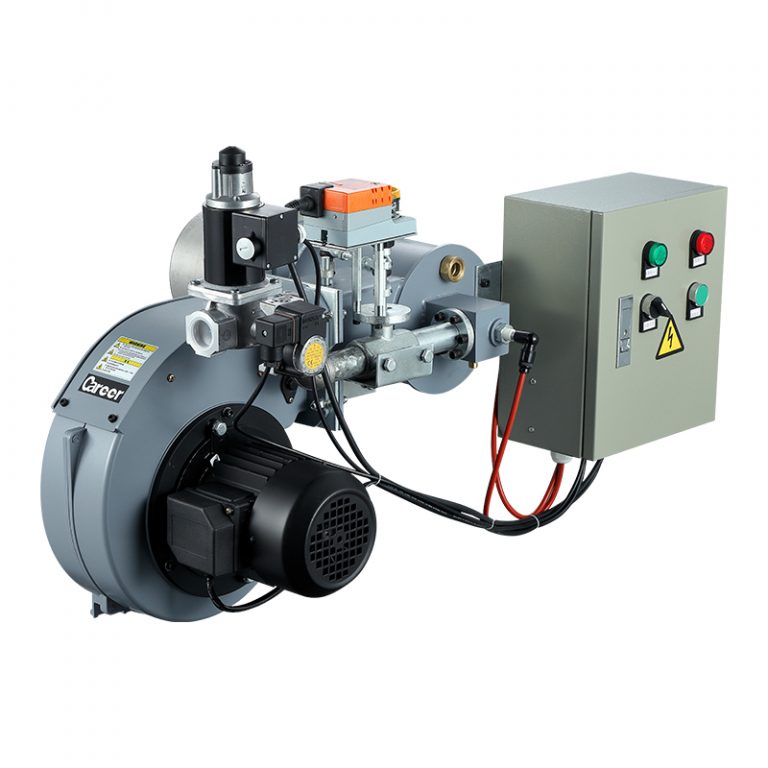
Why NOx matters here and now
Nitrogen oxides restrict operating hours and stack limits; they also complicate combined permitting across neighbouring facilities. When emissions exceed local limits, production is curtailed or costly abatement is required. Addressing NOx at the burner is usually lower-risk and more durable than downstream fixes, but it requires changes to combustion dynamics that can affect flame stability and heat transfer.
Root causes specific to regions
Different districts present different constraints: high-altitude locations alter oxygen partial pressure, coastal sites face fuel moisture and salt deposits, and older urban facilities lack space for FGR or long flues. These variables determine whether a low-NOx strategy should focus on burner design, fuel staging, flue gas recirculation, or controls. Evaluate site geometry, access to fuel-quality data and stack configuration before selecting an approach.
Practical low-NOx strategies and trade-offs
Premix burners reduce NOx by lowering peak flame temperatures but demand precise air–fuel control and good ignition systems. Staged combustion eases peak temperatures with modest equipment changes but can reduce turndown and increase CO risk if set up poorly. Flue gas recirculation (FGR) is effective in many plants but needs reliable fans and corrosion-resistant ductwork. Each path reduces NOx differently; match the solution to the plant’s maintenance capability and operational profile.
Common mistakes to avoid
Switching to a low-NOx burner without re-evaluating control logic is the most frequent error. Poor turndown consideration leads to unstable operation at low load. Overlooking soot and slagging tendencies when implementing FGR creates maintenance headaches. Do not assume vendor specifications alone guarantee compliance; demand performance curves under your actual fuel and load conditions.
A concise selection checklist
Ask for: measured NOx curves across the full load range; ignition and flame-detection capabilities; required clearance and access for service; real consumables list and lead times; and a site acceptance test (SAT) protocol. Confirm whether retrofit parts fit existing mounting flanges and whether control integration needs a PLC update. Prioritise vendors who demonstrate on-site commissioning experience in comparable plants.
Installation, commissioning and verification
Allocate time for staged commissioning: mechanical fit, control tuning, pilot tests, then full-load validation. Use stack sampling at representative loads rather than spot checks. Keep a log of tuning steps and baseline combustion maps; future inspectors will expect documented trials. Train operations on transient behaviour—how the burner responds to quick load changes—so routine shifts do not trigger excursions.

Maintenance focus that preserves low-NOx performance
Low-NOx performance hinges on maintenance discipline. Maintain burner-head geometry, purge and ignition systems, and control sensors to their calibration schedules. Monitor air and fuel pressures and log them against combustion maps to catch drift early. Replace wear-prone parts on schedule; deferred replacement often increases NOx and ups the risk of forced downtime.
Alternatives and when to choose them
If burner retrofit is impractical, selective catalytic reduction (SCR) or selective non-catalytic reduction (SNCR) remain options but carry higher capital and space requirements. These downstream systems suit sites where combustion stability is paramount and footprint allows. Choose SCR when tightest NOx limits apply and the plant can sustain reagent logistics and waste handling; choose burner-level measures when footprint, cost and simplicity matter most.
Final synthesis — a practical regional pathway
Start with a clear problem statement: the NOx limit you must meet, the loads you run and the service capability on hand. Prioritise burner-level measures where they deliver compliance with minimal downstream complexity, and insist on measured performance under site conditions during commissioning. Those seeking a reliable combination of technical documentation, stocked parts and regional field service will find practical continuity in suppliers and resources such as Career Burners, which help bridge specification to sustained on-site performance.