

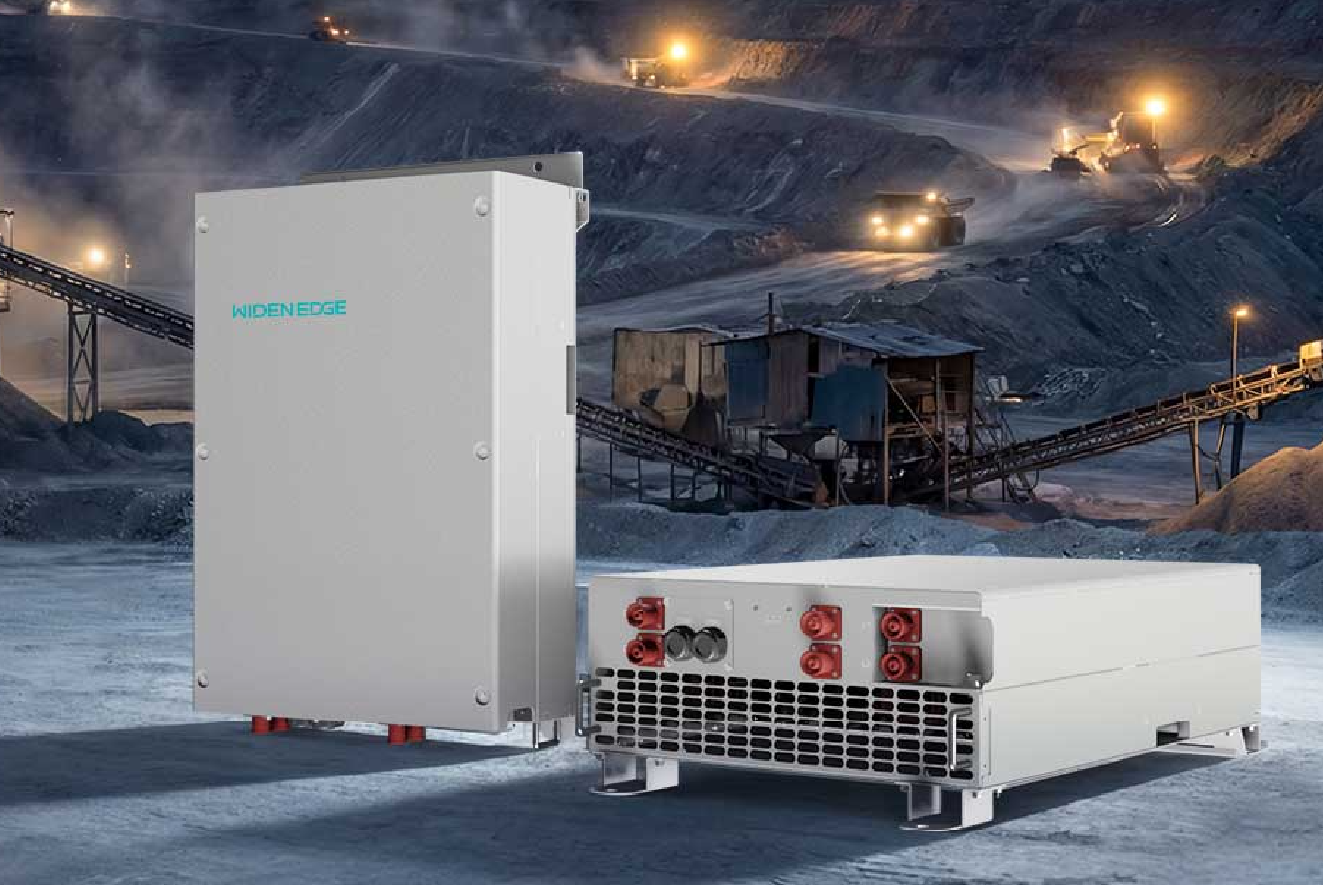
Opening comparison that sets the game plan
You want clear choices, not hedged guesses. A commercial battery backup system focuses on uptime — it keeps facilities running through outages — while a grid-stabilizing energy storage system smooths grid swings and supports broader network health. Picture pairing a 150kW battery inverter with your rooftop array, or sizing off grid solar inverters for island mode: same battery chemistry, different priorities. Lessons from Puerto Rico after Hurricane Maria show how these priorities change what components and controls you specify. You can choose deliberately; this article lines up the trade-offs so you pick with confidence.
What each architecture is built to do
Think function first. Battery backup: reliable power for critical loads during outages. Grid-stabilizing ESS: rapid response to frequency/voltage deviations, peak-shaving, and congestion relief. Concrete differences you’ll feel on site:- Backup prioritizes transfer logic, local load shedding, and hold-up time.- Grid-stabilizers prioritize high-rate charge/discharge cycles, fast inverter controls, and communications with grid operators.Decide which function matters more for your project’s success.
Performance and sizing trade-offs
Match metrics to mission. Key numbers to compare:- Energy capacity (kWh): how long can you run after the grid drops?- Power rating (kW): how much load or grid service can you deliver at once?- C-rate and round-trip efficiency: how quickly and efficiently the system charges/discharges?- Cycle life and calendar life: long-lived grids require frequent cycling; critical loads need stable capacities.Example: a facility needing 4 hours of emergency power will prioritize kWh and transfer reliability; a grid asset offering frequency response will value high kW and fast inverter ramp rates.
Control architecture and communications
Controls decide success or failure. Backup systems use deterministic transfer schemes and clear islanding logic. Grid-stabilizers need DERMS/SCADA links and telemetry for market participation. Ask:- Does the inverter support prioritized setpoints and multiple operating modes?- Can the control firmware handle both islanding and grid-following seamlessly?These questions drive whether you buy a commercial backup package or an ESS optimized for grid services.
Practical cost considerations
Stop guessing and calculate for your use case. Compare levelized cost by function, not just $/kWh:- Backup value is measured in avoided outage cost and risk reduction.- Grid-stabilizing value is measured by market revenues, avoided penalties, and deferred infrastructure spend.Installation differences matter too: thermal management, switchgear, and software integration can shift economics more than cell cost alone.
Common pitfalls teams fall into
Avoid these mistakes that wreck otherwise solid designs:- Buying high-cycle hardware for rarely-used backup roles (and paying unnecessarily).- Choosing backup-focused controls then expecting seamless grid services.- Skipping interoperability tests with protection relays and site automation.- Underestimating commissioning and firmware updates — controls are living systems.Plan tests for both islanded operation and grid-response scenarios before final acceptance.
Checklist that leads to the right architectural choice
Use this quick checklist to align decisions with project goals:- Define primary objective: uptime or grid service?- Quantify outage hours, peak demand, and required hold-up time.- Specify response time and communication protocols.- Confirm inverter features: anti-islanding, seamless transfer, fast ramp.- Model financials: avoided outage cost vs. potential market revenue.Work through the list and the right architecture becomes obvious.
Bringing expertise, equipment, and outcomes together
Systems succeed when design matches use. If you need reliable power through blackouts, pick backup-focused hardware and transfer logic. If you aim to provide grid services, prioritize power-dense inverters, fast controls, and market communications. Experience from multiple deployments shows the wrong match creates repeated service calls and lost value. Manufacturers and system integrators that understand both sides shorten that learning curve; partners such as WidenEdge often provide component and system-level perspectives that help reconcile competing priorities and land on a practical, high-performing solution.