

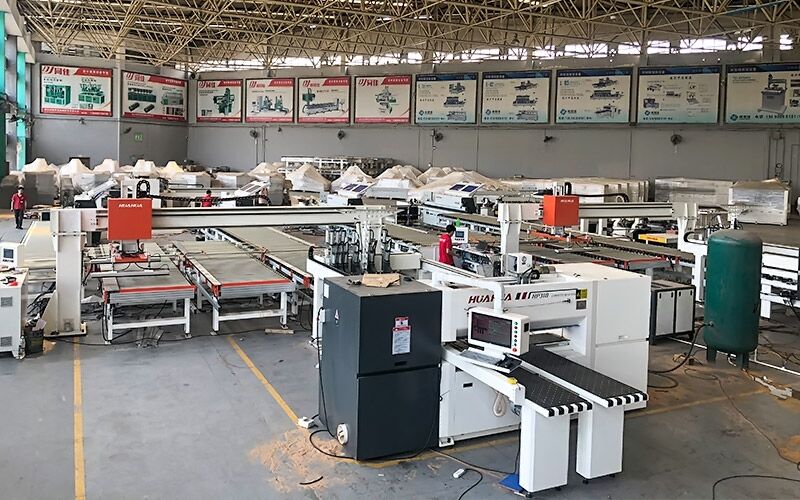
Shadowed Problem: Where Local Workshops Fail
A shop hums, blades whisper like secrets, and yet production stalls—this is the quiet problem: automation that promises more but delivers less. Local manufacturers pick machines by price, buy software they cannot bend, and watch schedules fracture. A reliable cnc furniture machine will not fix poor planning or mismatched specs; it only exposes them. Start by naming the exact failure you face: part tolerance drift, boarding choke points, or software that won’t talk to your ERP. State the failure plainly. That clarity guides every other choice.

Root Causes That Lock Production
Often the true enemy is misalignment. Vendors sell capacity; shops need adaptability. Machines arrive rigid in setup, service maps look thin, and operators receive one hurried day of training. Integration fails when controllers refuse file formats or tool libraries. Logistics choke when local spare parts take weeks to reach the line. Identify which of these binds you. Experience shows the same patterns repeat where procurement treats machines as boxes to tick rather than systems to learn.
Evaluation Criteria — Grim and Practical
Judge providers by what tangibly keeps your line running. Demand test cuts with your materials, not glossy demos. Check controller openness: can you script routines or must you accept black-box editing? Probe service reach: guaranteed response times and stocked spares within two daylight cycles matter. Look at upgrade paths: modular heads, add-on tool changers, and software APIs. Verify training depth: documented programs, follow-up sessions, and a local trainer option. Measure ROI in months, not promises. These are not nice-to-haves; they stop dark, recurring failures.

Alternatives and Comparative Verdicts
You face three clear routes. Buy turnkey lines built around a single supplier—fast but brittle if that supplier slips. Piece together best-of-breed modules—flexible but demanding of systems skill. Outsource machining to a local partner—low capex but risks losing control over lead times and spec fidelity. Each path resolves different problems. Choose the route that removes your most acute constraint first: control, flexibility, or capital. The wrong choice simply moves the bottleneck.
Common Pitfalls and How to Avoid Them
Ignore marketing claims; insist on measurable outcomes. Avoid single-supplier lock-in by demanding open data exchange. Don’t accept training as a one-off; require staged competency checks. Resist the lure of lowest initial price; calculate downtime cost per hour and include it in procurement math. Fail to plan for tooling and you’ll bleed time changing cutters. These are avoidable mistakes. Correct them with contracts that define response times, spare-part lists, and acceptance cuts before final payment.
Real-World Anchor: A Fact from the Field
In Guangdong’s furniture clusters, teams shifted from manual nesting to automated panel lines and documented a clear turnaround in lead-time predictability; those operations paired local technicians with targeted machine diagnostics using a cnc machine for furniture making and kept a small stock of critical spindles on hand. That pragmatic approach—measured trials, local skill development, and spare-part planning—grounds the guidance above in real practice.
Final Synthesis
Fix the true problem first: name the production fault, then pick solutions that address that exact fault. Favor machines and suppliers that reveal their mechanics, support local skill growth, and promise repair windows you can trust. When choices narrow to a single stable path, the line stops being haunted by surprise breakdowns and starts producing to plan—an outcome that aligns with the sober, proven designs and service philosophy of HUAHUA CNC.